📌 Key Takeaway: Buying an established pool route in Florida markets like Osprey, Cape Coral, Kissimmee, or Hialeah gives you immediate recurring revenue, a built-in customer base, and a scalable path to growing a full-time pool service business.
Why Florida Pool Routes Are Worth the Investment
Florida's year-round warm climate means pools run twelve months a year — and homeowners need consistent, reliable service to keep them clean, balanced, and ready to use. Unlike starting from scratch with zero clients, purchasing an established route drops you into a market with recurring monthly billing already in place. You're not hunting for customers; you're servicing them from day one.
The six regions covered here — Osprey, Sarasota County, Kissimmee, Osceola County, Cape Coral, Hialeah, and Winter Springs — each bring distinct advantages depending on your business goals. Understanding those differences helps you choose the market where you'll grow fastest.
Osprey and Sarasota County: Affluent Neighborhoods, Premium Accounts
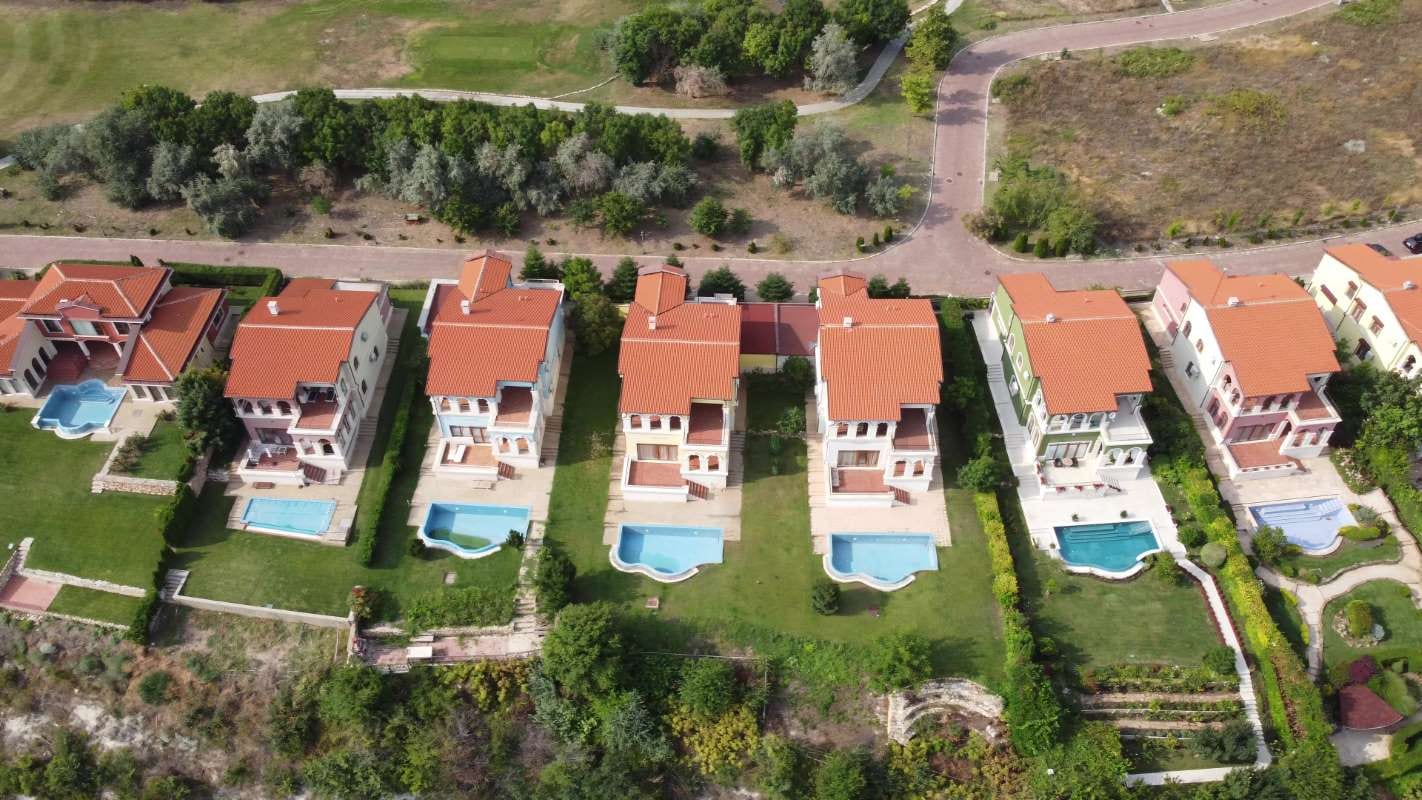
Osprey sits in the southern end of Sarasota County and punches above its weight in terms of pool density. The area is known for upscale residential communities where homeowners invest heavily in outdoor living, including pools with automation systems, heat pumps, and variable-speed pumps.
For pool service operators, that means accounts with higher average monthly billing. Customers in these neighborhoods expect professional service and are unlikely to cancel over small price increases. Building a route here means building equity in a stable, premium customer base. The tradeoff is that competition for these accounts can be stiffer, so buying an existing route rather than cold-canvassing is often the smarter entry point.
Kissimmee and Osceola County: Volume and Growth
Kissimmee and the broader Osceola County market are a high-growth corridor with new construction subdivisions adding homes — and pools — at a steady pace. Population growth here has outpaced much of the state, translating to a constant pipeline of new potential accounts.
For a technician looking to build volume quickly, Kissimmee is compelling. Average monthly billing per account may run lower than Osprey, but route density — how tightly you can cluster your stops — can offset that. A well-organized route in Osceola County lets you service more pools per day with less windshield time, improving your effective hourly rate. Routes available here through pool routes for sale tend to reflect that density advantage.
Cape Coral: The Canal City Advantage
Cape Coral's geography is unlike anywhere else in Florida. The city has more than 400 miles of navigable canals, and a large percentage of homes sit on the water with pools. That layout creates favorable stop clustering — you spend less time driving and more time servicing.
Cape Coral also has a strong snowbird population — seasonal residents who want weekly service maintained even when they're not present, which means predictable recurring billing without added service complexity.
Hialeah: High-Density Urban Market
Hialeah presents a different dynamic. As one of South Florida's largest cities, it offers high account density in an urban environment. Pools here skew toward smaller residential designs, and the customer base is diverse in terms of budget and service expectations.
Running a route in Hialeah rewards efficiency. The geographic concentration means a skilled operator can stack a tight daily schedule. Maintaining strong customer communication matters here — urban markets have more service competition, and retention depends heavily on showing up on schedule and handling minor issues before they become complaints. If you're comfortable with an urban route and want to build volume fast, Hialeah delivers the population density to do it.
Winter Springs: Stable Suburban Route Building
Winter Springs, located in Seminole County between Orlando and Sanford, offers a quieter entry into the Central Florida market. The community is predominantly residential and family-oriented, with well-maintained neighborhoods and consistent pool ownership rates.
What you get in Winter Springs is stability. Turnover is lower than in high-transience urban areas. Homeowners here tend to stay in their houses longer, which translates to lower account churn for service operators. If you prioritize building a route you can hold and grow steadily over several years — rather than churning through quick account replacements — Winter Springs-type suburban markets reward that approach.
How Route Pricing Works in Practice
Pool routes are typically priced based on the total monthly billing of the accounts included. Smaller routes in the 20–29 account range carry a multiplier around seven times monthly billing, while larger routes of 40 or more accounts typically price at around six times monthly billing. That pricing structure rewards scale — the more accounts you buy, the better your cost-per-dollar of monthly revenue.
For example, a 40-account route billing an average of $150 per month generates $6,000 per month in recurring revenue. At a 6x multiplier, that route might be priced around $36,000 — a figure you can often recover within six to twelve months when factoring in actual operating margins for a solo operator.
The pool routes for sale marketplace gives you detailed account-level data to assess what you're buying before you commit, so you can evaluate stop locations, average billing, and service frequency as part of your due diligence.
What Support Looks Like After You Buy
Buying a route and then being handed a spreadsheet of addresses isn't enough — especially for first-time operators. Effective onboarding covers pool system basics, water chemistry, customer communication, and billing. Training delivered both in the field and through virtual sessions lets you get up to speed on the technical side without waiting weeks to shadow someone.
Account replacement guarantees also matter. If accounts are lost within the early months for reasons outside your control, a replacement guarantee gives you the runway to stabilize your revenue while you find your footing. Verify the terms of any guarantee before signing — specifically the window for replacements and what triggers the replacement process.
Building a Multi-Route Operation Over Time
Many operators start with a single route in one city and expand from there. Pool service businesses reward scale: your truck, equipment, and supplier relationships are largely fixed costs, so each account added improves your margin without proportionally increasing overhead.
Starting in a single market lets you learn the operational rhythms before expanding into adjacent territories. Operators who take that disciplined approach tend to build more durable businesses than those who spread too thin before optimizing their first route. Florida's year-round demand means the opportunity is there whenever you're ready to grow.