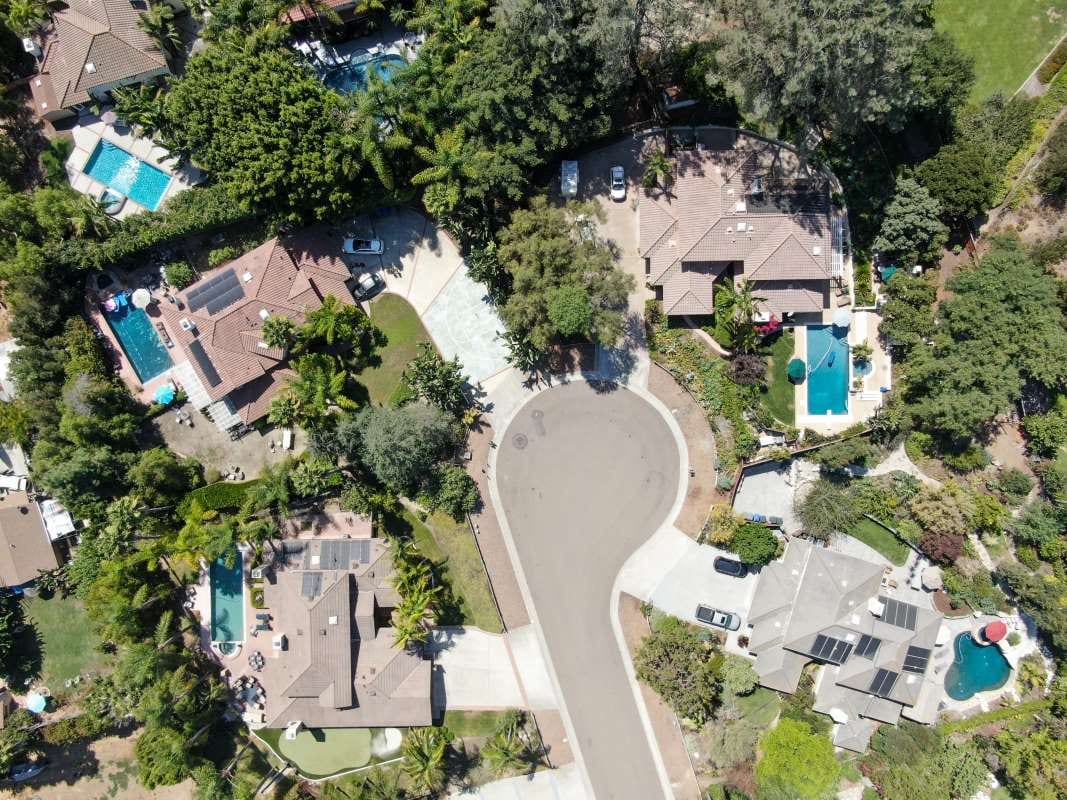
📌 Key Takeaway: Buying an established pool route in Oldsmar, Weston, Orlando, South Bradenton, or Pine Hills gives you immediate income, a proven customer base, and the training support needed to run a profitable service business from day one.
Five Florida markets stand out right now for pool service entrepreneurs: Oldsmar, Weston, Orlando, South Bradenton, and Pine Hills. Each one has a steady concentration of residential pools, homeowners willing to pay for reliable maintenance, and enough population growth to sustain a growing route. If you have been weighing the decision to buy into this industry, understanding what makes each area tick will help you pick the right territory and avoid overpaying for accounts.
Why Florida Pool Routes Hold Their Value
Florida has roughly one million residential pools, more than any other state. That number keeps climbing as new subdivisions go up and retirees relocate from colder climates. More pools means more demand for licensed, dependable technicians — which is exactly why a well-structured anchor tends to retain its customer base over time.
Unlike starting a service business from zero, purchasing a route gives you accounts on day one. Customers already pay regularly, so cash flow starts immediately rather than building slowly over six to twelve months. The operational model is also lean: your main costs are a reliable vehicle, chemicals, and basic equipment — no storefront, no large inventory, and no warehouse.
Breaking Down Each Market
Oldsmar sits along Tampa Bay and draws families who want suburban space with quick access to the coast. Pool ownership is common in its residential neighborhoods, and homeowners here tend to stay put for years, which translates to low customer churn for service providers who do good work.
Weston, in Broward County, is one of South Florida's most planned communities. Manicured streets, high household incomes, and a culture that prioritizes curb appeal make it a strong market for premium pool service. Customers in Weston expect consistent quality and are willing to pay for it — a favorable dynamic when you are trying to build route revenue.
Orlando is the most commercially diverse of the five markets. Beyond single-family homes, the area includes vacation rentals, hotel properties, and residential communities built around amenity pools. That variety creates options: you can build a route focused purely on residential accounts or mix in small commercial stops for higher per-visit billing. Tourism keeps the local economy resilient, which supports business stability even in slower seasons.
South Bradenton attracts a mix of retirees and younger families, many of whom treat their backyard pool as the center of outdoor life. Service demand here is year-round rather than seasonal, and referrals travel fast in tight-knit neighborhoods. Establishing a reputation for dependability in South Bradenton can compound your account growth faster than cold outreach ever would.
Pine Hills, on the west side of Orlando, is a developing residential area where pool ownership is growing alongside the housing stock. Getting into this market earlier in its growth curve means you can secure accounts at favorable prices before competition heats up.
What to Look for When Evaluating a Route
Not all routes are structured equally. Before committing, examine a few key factors.
Monthly billing per account. In Florida, the typical residential rate runs around $100 per month. Routes priced below that average may have customers who have been undercharged for years, making rate increases difficult. Routes priced above it in markets like Weston may reflect a genuinely higher service standard — confirm the accounts support it.
Account density. Tight geographic clustering cuts drive time and fuel costs. A route where stops are spread across 40 miles of highway is worth less in practice than the same number of accounts clustered within a few neighborhoods, even if the monthly billing totals match.
Age of accounts. Long-tenured customers are more stable. New accounts added in the last few months carry more uncertainty about whether they will stay through a provider transition.
Replacement policy. Responsible sellers stand behind their accounts. If a customer cancels within a defined window after the sale, you should receive a replacement — confirm this is in writing before signing anything.
Training Makes the Difference
Technical skill matters as much as business structure. If you are new to pool chemistry, equipment diagnostics, or local code requirements, training is not optional — it is the foundation for keeping customers long-term.
The right seller will offer in-field training alongside virtual instruction so you can handle real equipment in actual conditions rather than learning only from videos. Hands-on sessions covering water chemistry, filter maintenance, pump repair, and salt system calibration give you the confidence to handle problems on the fly without calling in outside help on every service call.
Superior Pool Routes has been operating in Florida for nearly 20 years and has placed over 20,000 accounts with buyers across the state. Routes are priced at roughly half the industry standard cost, and every purchase includes training and a replacement warranty. That combination — low entry price, practical training, and account protection — is what separates a structured purchase from buying a list of addresses and hoping for the best.
Getting Started
The process is straightforward. Choose your target cities or zip codes, decide how many accounts you want to manage (anywhere from 20 to 200 is typical), and put down a $500 deposit to initiate a purchase order. Account delivery typically begins within two weeks, with the full route secured within 60 days.
If you are ready to explore what is available in Oldsmar, Weston, Orlando, South Bradenton, or Pine Hills, the first step is reviewing current anchor inventory to see which territories have open capacity. Supply in high-demand zip codes moves, so the sooner you identify your target area, the better your options.
Florida's pool service market rewards operators who commit to quality work and build genuine relationships in their communities. The five markets covered here all have the customer base and economic stability to support a growing, profitable route — the question is simply which one fits your goals.