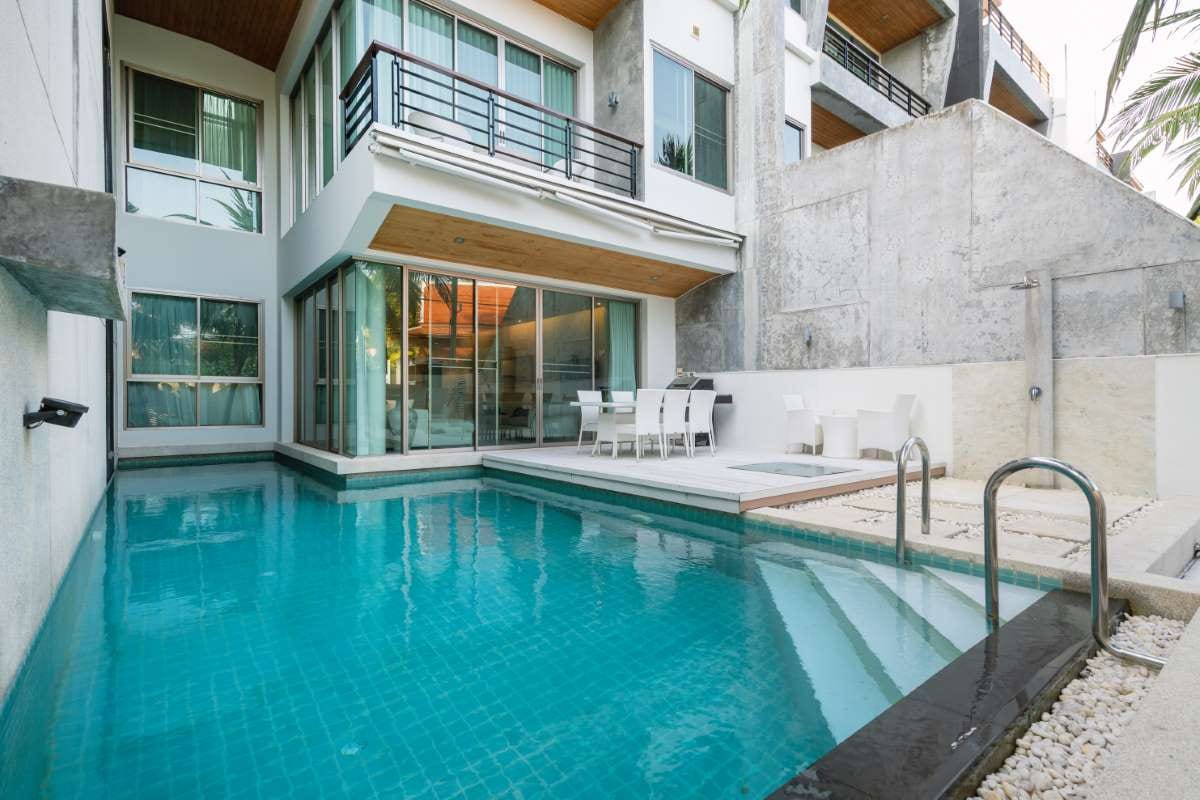
📌 Key Takeaway: Phoenix's year-round heat and dense residential pool ownership make it one of the strongest markets in the country for new pool service operators willing to work systematically and build relationships from day one.
Why Phoenix Is a Strong Market for New Pool Operators
Phoenix averages over 300 sunny days per year, and that relentless heat means pools run nearly 365 days a year. Unlike markets in the Midwest or Northeast, there is no meaningful off-season here. Residential communities throughout the metro — from Scottsdale and Chandler to Peoria and Gilbert — pack a high density of private pools into tight service corridors, which translates to efficient routes and low drive time between stops.
The Valley has also grown substantially over the past decade. New master-planned communities continue to be built across the East Valley and West Valley, and every new home with a pool is a potential recurring account. For anyone considering pool routes for sale, Phoenix represents a rare combination of volume, year-round demand, and room for newcomers to carve out territory.
Understanding this market context before you start means you can set realistic revenue expectations, price your service competitively, and choose a geographic area that works well as a starter route.
Choosing the Right Starting Territory
One of the most practical decisions you will make early on is where to focus your route. Phoenix sprawls across hundreds of square miles, and working a fragmented territory wastes fuel and time. As a beginner, you want density: a concentration of accounts within a tight radius that lets you service multiple pools on the same street or in the same subdivision on the same day.
Look at neighborhoods built primarily in the 1990s and 2000s, where the housing stock is well-established and pools are standard. These areas tend to have homeowners who have been in their homes for years, understand the value of consistent maintenance, and are more likely to stay with a reliable technician rather than switching for a few dollars.
Newer communities on the suburban fringe can also be productive, but account turnover sometimes runs higher as residents are newer to pool ownership. Starting in established territory reduces churn and gives you a stable foundation to build on.
Pricing Your Service Competitively
Monthly service rates in the Phoenix metro typically run between $100 and $160 per month for a standard residential pool, depending on pool size, equipment complexity, and whether chemicals are included. When you are new, it can be tempting to undercut competitors aggressively to win accounts, but thin margins will hurt you quickly when you factor in chemical costs, equipment wear, fuel, and your own time.
A better approach is to price at the market rate and compete on reliability and communication. Phoenix homeowners have seen plenty of technicians who disappear mid-season or skip visits without notice. Simply showing up on schedule and sending a quick update after each visit puts you ahead of a large share of the competition without touching your price.
If you are buying an established route, verify the existing billing rates against current market rates before you close the deal. Inherited accounts priced well below market can erode your margins from the start and are difficult to raise without risking cancellations.
Licensing, Insurance, and Chemical Handling
Arizona does not require a specific license to perform residential pool maintenance, but operating without liability insurance is a genuine risk. A single incident — a client's child slipping on a wet deck, a chemical spill damaging a surface — can produce a claim that ends a small operation. General liability coverage is affordable and non-negotiable if you intend to run a legitimate business.
Chemical handling is another area where new operators sometimes underestimate the learning curve. Chlorine, muriatic acid, and other pool chemicals need to be stored, transported, and applied correctly. Improper chemical balance is the fastest way to damage equipment, irritate clients, and generate complaints. Before you take on your first account, spend time studying water chemistry and, if possible, ride along with an experienced technician for a few weeks.
Building Your First Customer Base
Word of mouth remains the most cost-effective acquisition channel in pool service. When you service a pool well and communicate clearly, homeowners talk to their neighbors. In tight Phoenix subdivisions where houses share walls or back up to common areas, a satisfied client in one home can generate referrals to three or four adjacent properties within a few months.
In addition to referrals, targeted local marketing helps accelerate growth. Door hangers distributed in targeted neighborhoods, a clean Google Business Profile with genuine reviews, and a presence on neighborhood platforms like Nextdoor all contribute to inbound inquiries without large advertising budgets.
Buying an established route from a marketplace that lists pool routes for sale is often the fastest path to a full schedule. Acquiring 20 to 40 existing accounts on day one eliminates the slow buildup period and generates immediate cash flow that supports further growth.
Managing Operations From the Start
Route efficiency determines your profitability as much as your service rate does. Map your accounts carefully and sequence your daily stops to minimize backtracking. Over time, small inefficiencies compound into significant lost time each week.
Use a simple scheduling app or route management tool from the beginning, even when you only have a handful of accounts. Building the habit of logging service visits, tracking chemical usage per pool, and recording equipment notes gives you data that is invaluable when a client questions a repair recommendation or when you eventually bring on help.
Keep a basic inventory system for chemicals and equipment. Running out of a key chemical mid-route means either returning to a supplier and losing time or skipping a proper treatment and risking a green pool. Phoenix heat is unforgiving — a pool that misses a chemical treatment during summer can turn green within days.
Common Mistakes New Phoenix Operators Make
Taking on more accounts than you can reliably service is the most common early mistake. It is better to run a tight route of 30 well-serviced pools than to spread yourself thin across 50 accounts you cannot cover consistently. Cancellations from poor service are harder to recover from than slow growth.
Underestimating drive time between accounts in Phoenix traffic is another recurring issue. The metro has significant congestion during morning hours, and routes that look efficient on a map can cost extra hours per week in practice. Plan your schedule with realistic travel buffers.
Finally, do not neglect the administrative side of the business. Invoicing on time, following up on late payments, and maintaining clean records are not exciting tasks, but they keep cash flow predictable and reduce the friction that causes clients to drift away.
Next Steps for Getting Started
The Phoenix pool service market rewards operators who are systematic, reliable, and communicate well with clients. The demand is there, the density of pools supports efficient routes, and the year-round season provides consistent revenue. Starting with the right territory, fair pricing, and solid operational habits gives you a foundation that is genuinely sustainable.
Research the established route marketplace, talk to current operators in the area, and make sure your insurance and chemical handling practices are in place before your first service day. The groundwork you lay in the first few months will define the trajectory of your business.