📌 Key Takeaway: Buying a for-sale-by-owner pool route in South Florida can fast-track your entry into a high-demand market, but only if you know what to verify before you hand over any money.
Why South Florida Is a Strong Market for Pool Routes
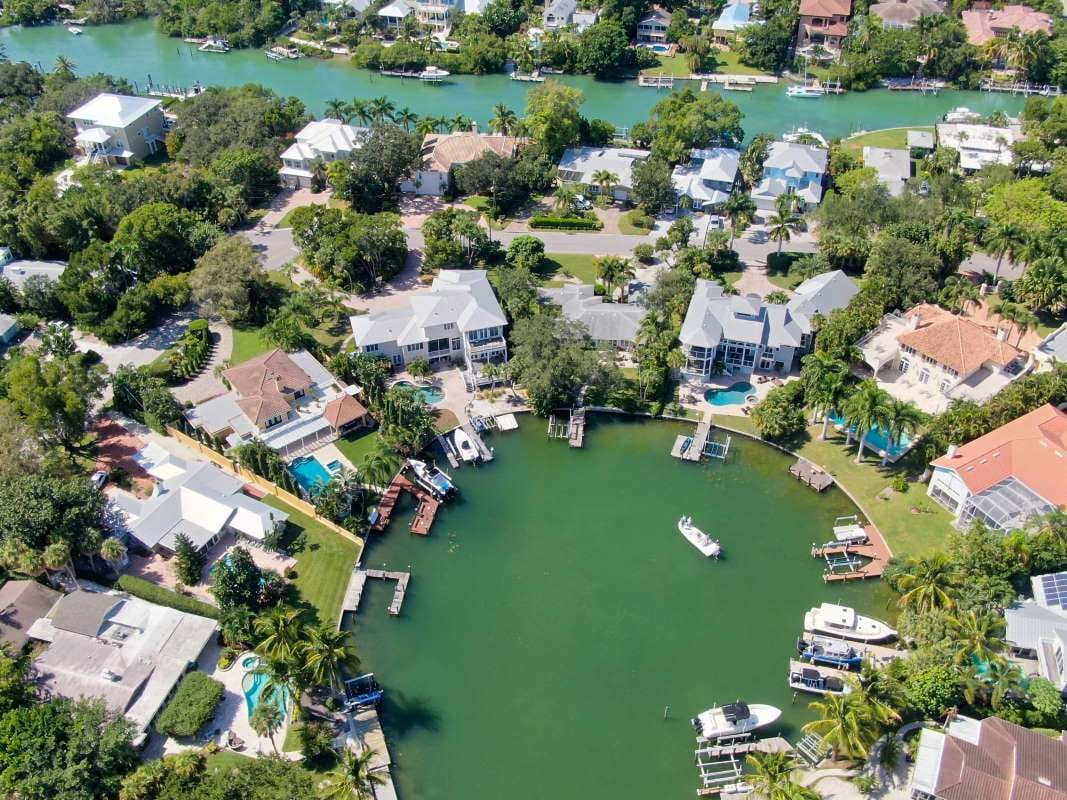
South Florida consistently ranks among the highest-density pool markets in the country. Year-round warmth means pools run twelve months straight, which translates to recurring monthly billing rather than the seasonal gaps that plague northern operators. Broward, Miami-Dade, and Palm Beach counties alone hold hundreds of thousands of residential pools, and that number grows each year as new communities develop.
That demand creates two opportunities. First, existing routes carry real, defensible value because customers have little reason to switch providers who show up reliably. Second, sellers in this market are not hard to find — retirement, relocation, and health issues push owners to sell every year. The challenge is distinguishing a legitimate private sale from one with hidden problems.
What "For Sale by Owner" Actually Means in Pool Service
In a traditional business brokered sale, an intermediary screens the financials, confirms account counts, and manages the transition. A for-sale-by-owner deal skips that layer. You deal directly with the seller, which can lower acquisition cost, but it shifts verification responsibility entirely onto you.
Sellers typically quote route value as a multiple of monthly billing — often ten to twelve times monthly revenue for established South Florida accounts. A route billing $5,000 per month might be listed at $50,000 to $60,000. Whether that price is fair depends entirely on what the paperwork confirms, not what the seller claims verbally.
Verifying the Numbers Before You Commit
The first document to request is the seller's invoicing history, ideally exported from whatever software they use — Service Autopilot, Skimmer, or even a simple spreadsheet. Look for at least six consecutive months of billing records. Red flags include large billing gaps, accounts that appear once or twice and then disappear, or a cluster of new customers added right before listing the route for sale.
Cross-reference those records against bank deposits. A seller who is reluctant to show deposit history for the matching period is protecting something you need to know about. Legitimate owners understand buyers need this and will cooperate.
Ask specifically how many accounts have been with the route for more than two years. Long-tenure customers are far less likely to cancel during ownership transition, which is the highest-risk period for any acquisition.
Evaluating Equipment and Route Logistics
Pool service equipment depreciates fast and repair costs show up immediately after purchase. Before closing, inspect the truck or trucks included in the sale. Check mileage, tire condition, and ask when the chemical injection or bypass systems were last serviced. A truck with 180,000 miles and deferred maintenance can easily cost several thousand dollars in the first quarter of ownership.
Confirm the geographic boundaries of the route. Tight geographic clustering reduces drive time, which directly affects how many stops you can service in a day and whether you need to hire additional labor. A South Florida route spread across three or four disparate zip codes with no logical drive path is worth less than a compact route in a single community, even if the billing numbers look similar.
Also verify whether any accounts are part of a homeowners association contract versus individual homeowner agreements. HOA contracts can be rewritten or rebid on short notice, creating revenue risk that individual accounts do not carry.
Structuring the Transition to Protect Revenue
The most common reason buyers lose accounts after purchase is a poor handoff. Customers who have been with the same technician for years are loyal to a person, not a company name. Negotiate a transition period — typically thirty to sixty days — during which the original owner accompanies you on the route, introduces you to customers, and reinforces continuity of service.
Put the transition agreement in writing as part of the purchase contract. Specify the number of days the seller will assist, whether that assistance is paid or unpaid, and what happens if accounts cancel during the transition window. A seller who refuses any transition commitment is telling you something important about how confident they are in customer retention.
Document service history for every account before the sale closes. Knowing which pools take trichlor versus dichlor, which have saltwater systems, and which customers prefer morning visits protects your service quality from day one and prevents the first months from feeling like a restart from scratch.
Legal and Contractual Basics You Cannot Skip
Have a purchase agreement drafted or reviewed by an attorney familiar with small business acquisitions in Florida. The agreement should specify the exact account list being transferred, the purchase price and payment schedule, any non-compete terms, equipment included, and dispute resolution language.
A non-compete clause protecting the buyer — preventing the seller from opening a competing service in the same geography for a defined period — is standard and enforceable in Florida when written correctly. Without it, a seller could rebuild a competing route using knowledge of every customer and their preferences.
Check whether the seller's business name is registered with the Florida Division of Corporations. If accounts are billed under that entity name, you will either need to transfer that registration or notify customers of the name change, which adds administrative work to the transition.
Finding Verified Routes Versus Going It Alone
Private listings appear on Craigslist, local Facebook groups, and word-of-mouth networks, but vetting them takes significant time and carries real risk if you are new to the industry. An alternative is purchasing through a route provider with a documented track record of account delivery and post-sale support.
If you are comparing private sale options against structured listings, reviewing pool routes for sale from established providers gives you a baseline for fair market pricing and account quality standards. Comparing both approaches before committing protects you from overpaying in a private transaction.
For first-time buyers in particular, working with a provider that offers training alongside the route purchase closes a meaningful knowledge gap. Understanding chemical balancing, equipment troubleshooting, and customer communication before you take over a route reduces the likelihood of early cancellations driven by service quality issues.
The South Florida pool market rewards prepared buyers. Whether you pursue a private sale or a structured acquisition, the fundamentals are the same: verify the billing, confirm the accounts, inspect the equipment, and lock in a transition plan before any money changes hands. Operators who follow that sequence consistently outperform those who rely on the seller's word alone. Browsing current pool routes for sale can help you benchmark what a properly documented route looks like before you evaluate any private listing.