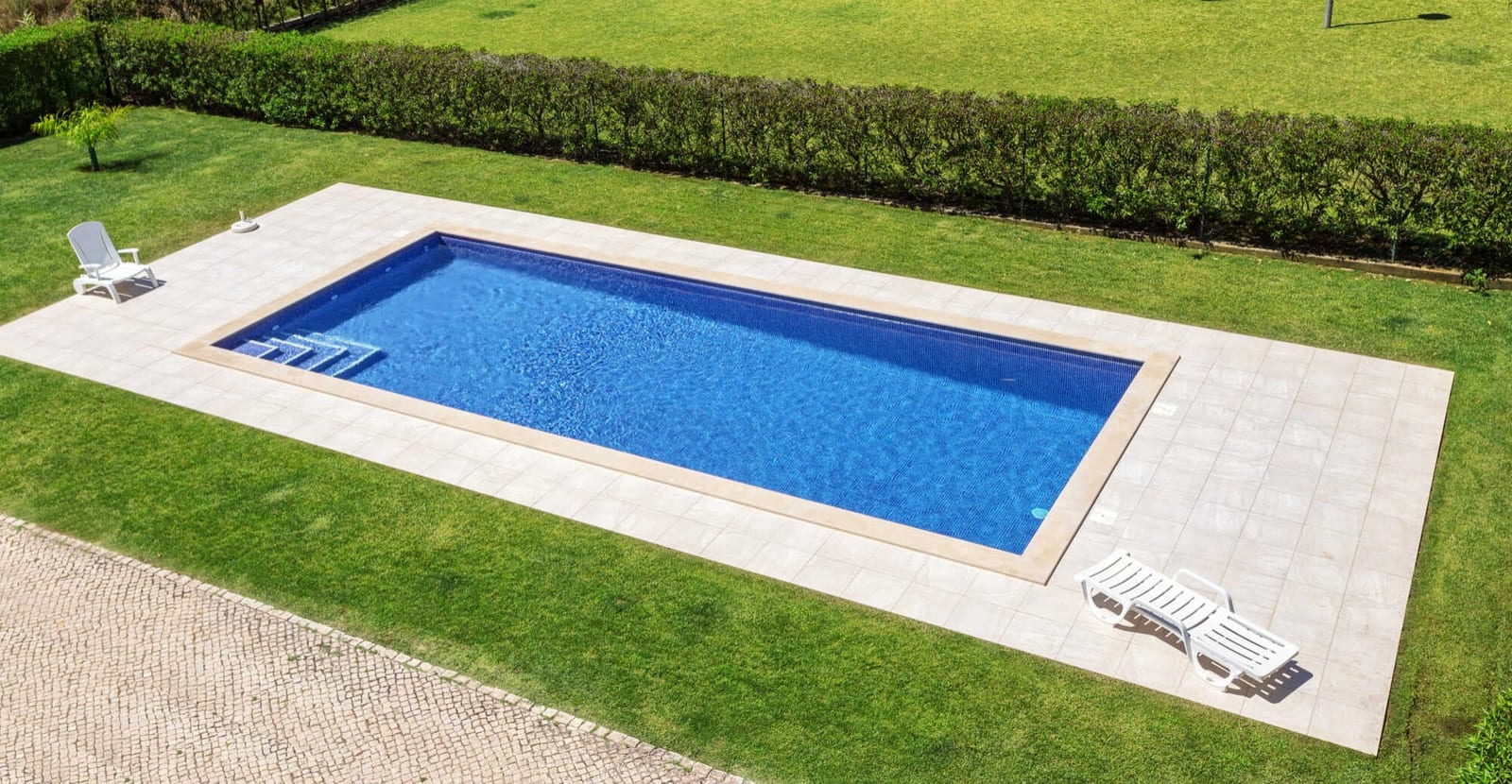
📌 Key Takeaway: Nevada's semi-arid winters demand a precise winterization routine that protects equipment from freezing nights, keeps water chemistry balanced, and positions pool service owners to retain clients and build route value year-round.
Winter in Nevada catches many pool owners off guard. The state's semi-arid climate means short, sharp cold snaps rather than a long slow freeze — yet temperatures in the Las Vegas Valley and Reno can still plunge well below 32°F overnight, creating real risk for exposed plumbing, pumps, and pool surfaces. For pool service professionals, understanding these seasonal dynamics is not just about protecting a single pool; it's about protecting an entire route. Clients who see you manage the winter transition smoothly stay loyal, and loyal clients are the foundation of a route worth buying or selling.
Why Nevada Winters Are Different From Other States
Most winterization guides are written for climates that stay cold for months. Nevada's challenge is variability. Daytime temperatures may reach the mid-50s while nights drop into the upper 20s. That freeze-thaw cycle is more damaging to plumbing than a steady freeze because water expands and contracts repeatedly before a system can be fully drained.
Low humidity compounds the problem. Dry desert air accelerates evaporation, meaning water levels can drop an inch or more per week even when the pool is covered and barely used. Service technicians need to monitor levels on every visit rather than assuming a covered pool will hold steady. Seasonal winds — particularly through mountain passes near Reno — add a debris load that can overwhelm filters that were sized for summer use.
Pre-Winter Inspection: What to Check Before Temperatures Drop
The best time to begin winter prep in Nevada is mid-October, before the first freeze is forecast. Walk through the following checklist on every account:
Water chemistry baseline. Test pH (target 7.4–7.6), total alkalinity (80–120 ppm), calcium hardness (200–400 ppm), and cyanuric acid (30–50 ppm for outdoor pools). Adjust chemistry now so it holds stable through the low-use season. Unbalanced water that sits over winter etches plaster and corrodes metal fittings.
Equipment inspection. Check pump seals, o-rings on filter lids, and all unions and valves for hairline cracks. A crack that weeps a slow drip in October will fail completely when water freezes inside it in December.
Freeze protection settings. Most modern pool controllers include a freeze protection mode that activates the pump when air temperature drops to a set threshold — commonly 38°F. Verify this feature is enabled and set correctly. If the controller lacks freeze protection, discuss timer adjustments with the client so circulation runs through the coldest hours.
Pool cover condition. Inspect covers for tears, worn anchor points, and sagging sections. A compromised cover that admits debris or holds standing water creates a maintenance headache at spring opening and can damage pool surfaces underneath.
Balancing Chemistry Through the Off-Season
Many technicians make the mistake of treating winter chemistry as a "set it and forget it" task. In reality, Nevada's sunny winters keep UV intensity moderate — cyanuric acid stabilizer continues to degrade, and evaporation concentrates dissolved solids faster than in humid climates.
Schedule monthly chemical checks on every account, even those that are fully covered and rarely used. Add a winter algaecide (a 60% polyquat formula works well in Nevada's temperature range) at the start of the season and reapply mid-winter if inspection reveals any discoloration. Shock the pool before covering and again at reopening rather than relying on a single treatment to carry through four months.
Calcium hardness management is especially important in Nevada because municipal water in cities like Las Vegas has naturally high calcium. Running the pool through winter without dilution can push hardness toward the scaling threshold. Test calcium levels monthly and dilute with fresh water as needed.
Protecting Equipment From Freeze Damage
Freeze damage is the single most expensive repair category in Nevada winter pool maintenance. A cracked pump housing or split PVC line can cost the client $400–$1,200 to repair and damages your professional reputation if it was preventable.
For pools without automation, the standard protection method is ensuring the pump runs continuously during any period when air temperatures are expected to stay below 40°F for more than two hours. Moving water does not freeze in normal Nevada conditions. For equipment that cannot run — a broken pump, an unused spa, auxiliary plumbing lines — drain completely and blow out with compressed air.
Heater bypass valves, solar panels, and water features each require specific drain procedures. Document these on your service record for each account so nothing is overlooked during a busy winter visit.
Operating a Profitable Route Through Nevada's Winter
Winter is not a slow season for skilled pool service professionals — it is an opportunity to differentiate your business from competitors who scale back. Clients who receive proactive communication, monthly chemistry reports, and documented equipment checks during winter are far less likely to drop service or negotiate on price when spring arrives.
Route stability through the winter also improves the valuation of your business. A route where clients consistently pay through the off-season demonstrates lower churn risk to any buyer reviewing your account history. If you are considering expanding, acquiring, or eventually selling your accounts, winter retention data is one of the most persuasive indicators of route health. Explore pool routes for sale to understand what healthy routes look like in Nevada's market and how winter performance factors into pricing.
Spring Reopening: Set Yourself Up Now
How a pool comes out of winter depends almost entirely on how it went in. Pools that were balanced, covered correctly, and chemically maintained through the off-season typically need two to three hours of work at opening: remove and clean the cover, brush the surfaces, shock, adjust chemistry, and verify equipment operation.
Pools that were neglected may need multiple shock treatments, algae removal, filter backwashing, and equipment repairs — a half-day job that disrupts your route schedule in the spring busy season. Training your clients to invest in proper winter service is not upselling; it is protecting their equipment and your time.
For pool service business owners looking to grow their footprint in Nevada, acquiring established accounts with documented winter maintenance histories is one of the most reliable paths to profitability. Learn more about available opportunities through pool routes for sale and connect with a team that understands Nevada's specific service demands from the inside out.
Nevada winters are short but unforgiving. The technicians who master the seasonal transition build the kind of client trust that translates directly into route value — and that is the foundation of a sustainable pool service business.