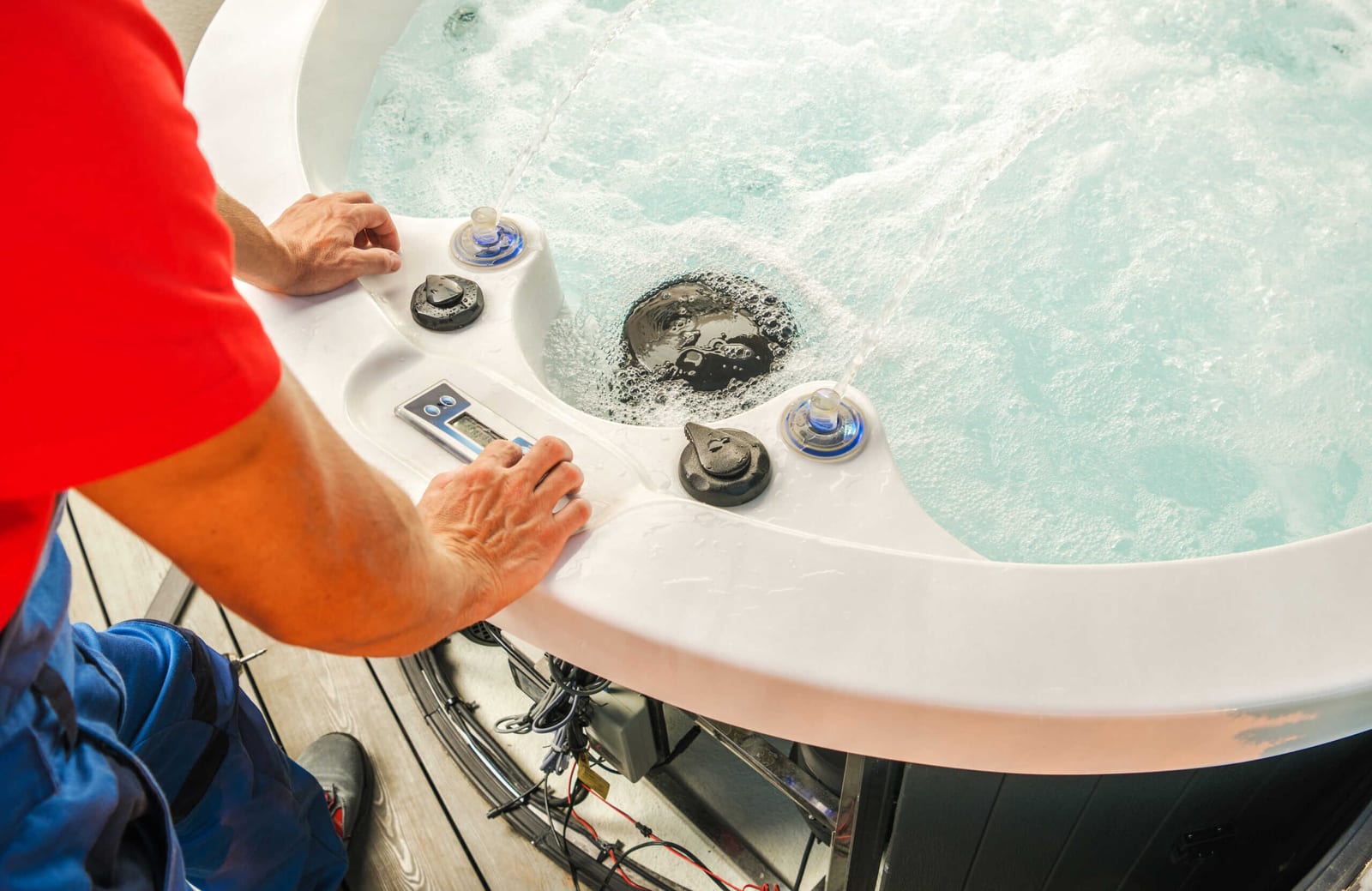
📌 Key Takeaway: Knowing how to diagnose and fix common pool problems — from air in the circulation system to leaking filters — is the foundation of a profitable, professional pool service business.
Why Troubleshooting Skills Matter for Pool Service Professionals
Whether you service ten pools a week or sixty, your reputation hinges on how quickly and accurately you resolve problems. Clients do not want lengthy delays or repeat visits for the same issue. When you invest in pool routes for sale, you are buying a book of business built on trust — and that trust evaporates fast if basic equipment problems go unsolved.
The good news is that the most common pool issues follow predictable patterns. Once you recognize those patterns, you can diagnose and fix them efficiently on every stop along your route.
Air in the Pool Circulation System
Bubbles returning through the return jets or a pump that loses prime are telltale signs of air infiltration. Air degrades pump performance, can cause the motor to overheat, and makes filtration unreliable.
Common causes:
- Water level sitting below the midpoint of the skimmer opening, allowing the skimmer to gulp air
- A worn or improperly seated O-ring on the pump lid
- Loose unions or fittings on the suction side of the pump
- Hairline cracks in the suction-side PVC pipe, especially near ground shifts or tree roots
Fix it systematically. Start at the simplest point: check the water level and top it off if needed. Remove the pump lid, inspect the O-ring for flat spots or cracking, and apply a thin coat of Teflon-compatible lubricant before reseating it. Work your way along the suction line, hand-tightening unions and listening for hissing sounds. Mark any suspicious pipe sections with tape and pressure-test them before moving on. Replacing a cracked pipe section takes under an hour but prevents weeks of callback visits.
Leaking Pool Filters
A filter that drips or sprays water is more than a nuisance — it can undermine pressure readings, waste hundreds of gallons monthly, and damage surrounding equipment pads or decking.
Where to look first:
- Tank lid O-ring or band clamp (cartridge and D.E. filters): This is the most frequent culprit. Remove the lid, inspect the O-ring, and replace it if it shows any deformation or cracking.
- Multiport valve (sand filters): The spider gasket inside the valve wears out over time. A worn gasket lets water bypass the valve, causing leaks at the waste or backwash port even when the valve is set to "filter."
- Tank body: Fiberglass tanks can develop stress cracks, especially older units that have been over-pressurized. Run your hand along the seams while the system is at operating pressure. A crack this significant usually means tank replacement.
- Plumbing connections at the filter head: Hand-tight is rarely tight enough. Use a strap wrench on the inlet and outlet fittings and confirm there is no seeping around the threads.
Document filter leaks with a quick photo log. If you are managing a large pool routes for sale portfolio, having photo records makes it easier to track recurring equipment failures and justify upgrade recommendations to clients.
Low Suction from the Skimmer Line
Weak skimmer suction is one of the most common complaints from pool owners and one of the most misdiagnosed. Technicians often reach for the backwash valve first, when the actual cause is something simpler.
Step-by-step diagnosis:
- Check the skimmer basket. A basket packed with leaves and debris can cut suction by half. Clear it and observe whether suction improves immediately.
- Inspect the pump strainer basket. A clogged strainer basket starves the pump of water, reducing suction across all lines. Remove, rinse, and reinstall.
- Verify the skimmer valve position. On multi-port plumbing systems, a partially closed skimmer valve is often the culprit. Open it fully and recheck.
- Check for a collapsed skimmer line. Older systems occasionally have flexible sections that collapse internally under vacuum, appearing intact from the outside. A simple suction test with a vacuum plate can confirm this.
- Backwash or clean the filter. A dirty filter raises system back-pressure and indirectly reduces suction at the skimmer. If the pressure gauge reads 8–10 PSI above the clean baseline, it is time to backwash a sand filter or rinse a cartridge.
- Look for air leaks on the suction line. As covered above, any air infiltration reduces effective suction. Retrace the suction-side plumbing and seal any suspect fittings.
Balancing Water Chemistry After Equipment Repairs
Every time you open lines, replace O-rings, or backwash a filter, you disturb the pool's water balance. Get in the habit of testing pH, total alkalinity, and sanitizer levels at the end of each service visit that involved equipment work. A pH that has drifted above 7.8 will reduce chlorine effectiveness by up to 80 percent, essentially undoing the filtration work you just completed.
Carry test kits that cover pH, free chlorine, total alkalinity, and cyanuric acid. Digital test strips are fast for routine checks; liquid reagent kits are more accurate for diagnosing persistent chemistry problems.
Building Efficiency Into Every Service Stop
Experienced technicians develop a mental checklist that takes just a few minutes per pool: glance at the pump for air bubbles, check pressure gauge against baseline, inspect skimmer and strainer baskets, scan visible plumbing for moisture, and test water chemistry. When something is off, you already know the diagnostic path. That speed and consistency is what separates a profitable route from one that bleeds time on callbacks.
Clients notice when their technician is methodical and communicates findings clearly. That professionalism is a direct driver of account retention — and account retention is the core value behind every pool service business.
Putting It All Together
Troubleshooting common pool problems is a learnable, repeatable skill set. Master air infiltration diagnosis, filter leak identification, and skimmer suction restoration, and you will resolve the vast majority of equipment issues you encounter on any route without calling in outside help.
If you are ready to build or expand a pool service business on a foundation of proven accounts, explore the options available through Superior Pool Routes. A well-managed route, paired with solid technical skills, gives you the tools to generate consistent, recurring revenue in one of the most resilient service industries available.