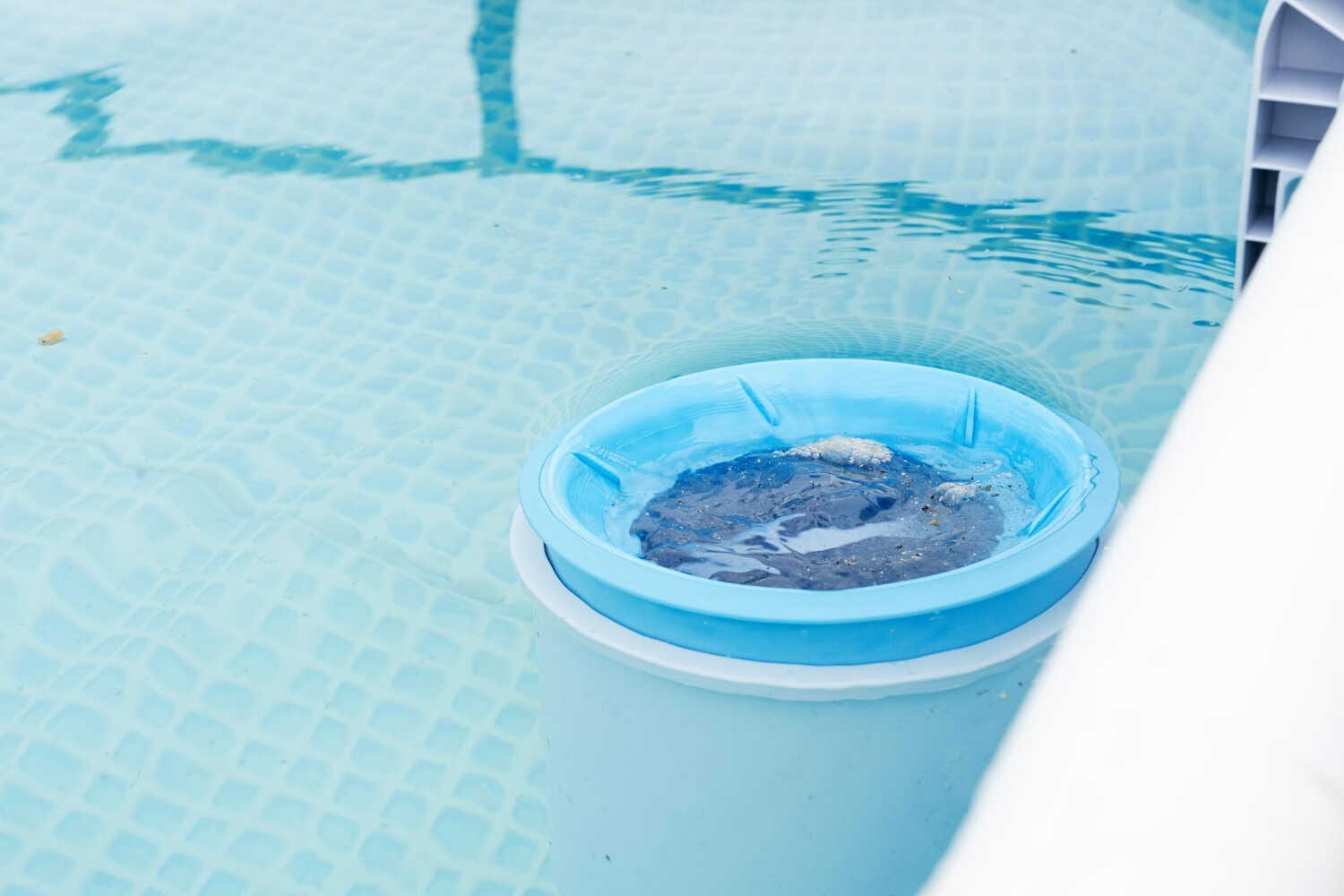
📌 Key Takeaway: Skimmers are a foundational piece of pool equipment that directly affect water quality, circulation, and cleaning efficiency — making them essential knowledge for any pool service professional looking to deliver consistent, high-value results on their route.
Why Skimmers Matter for Pool Service Professionals
If you run a pool service business or are evaluating pool routes for sale, skimmers are one of the first pieces of equipment you need to understand. They sit at the intersection of surface cleaning, water circulation, and vacuuming — three of the most time-sensitive tasks in residential and commercial pool maintenance.
A skimmer is a wall-mounted or floating device that draws water from the pool's surface into the filtration system. Its job sounds simple, but the downstream effects of a well-functioning skimmer are significant. Pools with properly maintained skimmers require less chemical intervention, have fewer algae outbreaks, and demand less labor during service visits. For a technician managing 20 to 40 pools per week, that efficiency compounds quickly.
How Skimmers Remove Surface Debris
The surface of any pool accumulates debris faster than most pool owners expect. Leaves, insects, sunscreen residue, pollen, and organic matter float on top of the water before they have a chance to sink. Once debris sinks, it takes longer to remove and can introduce bacteria that stresses the chemical balance.
Skimmers address this by continuously drawing the top layer of water — where most contaminants concentrate — into the filtration circuit. The skimmer basket catches larger debris before it reaches the pump, protecting downstream equipment and keeping the filter from clogging prematurely.
For pool service technicians, checking and emptying skimmer baskets is one of the highest-frequency tasks on every visit. A basket that is 70% full restricts flow, reduces skimming effectiveness, and puts strain on the pump motor. Building this check into a repeatable service routine keeps pools looking clean between visits and reduces callback complaints from customers.
Skimmers and Water Circulation
Skimmers do not just collect debris — they are active participants in the pool's circulation system. When the pump runs, it pulls water through the skimmer, which creates a continuous surface current that draws floating contaminants toward the opening. This flow also contributes to overall turnover rate: the number of times all the water in the pool passes through the filter in a given period.
Most health codes and best practices require residential pools to turn over their water at least once every 8 hours. Skimmers account for the majority of water intake in most systems, with main drains handling the rest. A skimmer with a clogged basket, a missing weir door, or an air leak at the throat can significantly reduce flow rate — sometimes without triggering any obvious pump alarms.
When prospecting pool routes for sale, it pays to inspect skimmer condition on every account before closing. Cracked skimmer bodies, deteriorated weir doors, and broken lids are common issues that drive up service costs. Knowing the state of equipment on a route lets you negotiate price accurately and plan your first 90 days of service without surprises.
Skimmer-Assisted Vacuuming
One of the most useful — and often overlooked — functions of a skimmer is its role as a vacuum connection point. Most residential skimmers have a dedicated vacuum port or allow technicians to block the main drain suction and redirect full pump flow through the skimmer line. This makes it possible to vacuum the pool floor using the existing pump rather than a separate vacuum motor.
To vacuum through a skimmer, a technician connects the vacuum head and hose to the skimmer port, primes the hose to remove air, and lets the pump pull the dirty water up and through the filter. The skimmer basket intercepts the heavier debris before it reaches the pump impeller. After vacuuming, the basket is emptied and the filter is backwashed if necessary.
This method is faster to set up than a standalone vacuum and requires no additional electrical connections — an important advantage when working in yards with limited access. For technicians servicing high volumes of pools, reducing setup and teardown time on each stop directly increases daily capacity.
Common Skimmer Problems and How to Spot Them
Skimmer issues tend to fall into a few predictable categories. Air leaks at the throat of the skimmer — caused by a cracked body or deteriorated fittings — introduce air into the pump, reducing flow and sometimes causing the pump to lose prime entirely. A weir door that is stuck open or missing does not create the surface draw needed to pull floating debris in efficiently. A skimmer lid that is cracked or missing creates a safety hazard and allows debris to bypass the basket entirely.
During routine service, a quick visual check covers most of these: lid intact, basket in place and not overfilled, weir door moving freely, and no visible cracks around the throat. If suction feels weak at the vacuum port during a cleaning visit, the skimmer line or basket is the first place to investigate before assuming a pump or filter problem.
Integrating Skimmer Maintenance Into a Scalable Route
The best pool service businesses document equipment condition for every account. Noting skimmer make, model, and any recurring issues in your service software lets you anticipate parts needs, track deterioration over time, and have conversations with customers about repairs before small problems become expensive failures.
Skimmer maintenance is also a legitimate upsell opportunity. Replacing a weir door, installing a new basket, or resealing a cracked throat are straightforward jobs with reasonable parts costs. Customers value technicians who proactively identify these issues rather than waiting for a complaint.
Whether you are building a route from scratch or acquiring an established one, treating skimmer knowledge as a core competency — not just a checkbox — sets the foundation for consistent service quality and stronger customer retention.