📌 Key Takeaway: Pool service operators who adopt modern cleaning technology — from robotic vacuums and variable speed pumps to automated chemical systems — cut labor hours, reduce callbacks, and deliver the consistent results that make a route worth buying or keeping.
Why Technology Is Reshaping Pool Service Routes
The pool cleaning industry has shifted from bucket-and-brush fundamentals to a tech-driven trade. Customers expect cleaner water, faster visits, and fewer chemical swings, while operators need to squeeze more stops into a day without adding staff. The tools available now make both goals achievable at the same time.
If you are evaluating pool routes for sale, the equipment already in use on a route matters as much as the customer count. Routes built around modern tools tend to have lower churn, better profit margins, and easier transitions for new owners. Understanding what is out there helps you spot a well-run operation and upgrade one that still relies on outdated methods.
Robotic and Pressure-Side Vacuum Units
Purpose-built commercial vacuum units — such as the Hammerhead and Riptide platforms — have replaced the time-consuming manual vacuuming that once defined a service visit. These units connect to a standard garden hose or pump port, scrub walls and floors simultaneously, and capture debris in an onboard filter without needing to run everything through the pool's main filtration system.
For a technician managing 20 or more stops per day, the time savings are significant. A manual vacuum pass on a heavily-used residential pool can take 15–20 minutes. A powered unit cuts that window in half or more, and the results are consistently thorough. Fewer complaints about missed spots mean fewer callback visits eating into route profitability.
The maintenance burden on these units is also low. Impellers and filters are designed for daily commercial use, and replacement parts are widely stocked through pool supply distributors.
Variable Speed Pumps and Smarter Water Circulation
Variable speed pumps are now standard equipment on most newer pool installations, and retrofits on older pools are common as homeowners seek lower utility bills. For service operators, this shift creates both opportunity and responsibility.
At lower RPM settings, variable speed pumps move water slowly and quietly while still maintaining adequate turnover. At higher speeds, they handle heating, cleaning cycles, and water features on demand. Technicians who understand how to program and troubleshoot these pumps offer a higher tier of service than those who only know single-speed equipment.
Learning the manufacturer software for the most common brands — Pentair, Hayward, and Jandy — takes a few hours but pays dividends. Customers notice when a tech can walk them through their app or dial in the schedule to match their actual usage patterns. That kind of expertise builds loyalty and referrals, which directly strengthens the long-term value of a route.
Automated Chemical Dosing and Salt Chlorine Generators
Manually testing and adjusting chemicals on every visit is slow and prone to drift between service days. Automated chemical feeders and salt chlorine generators have changed the standard of care by keeping levels within a tighter band around the clock.
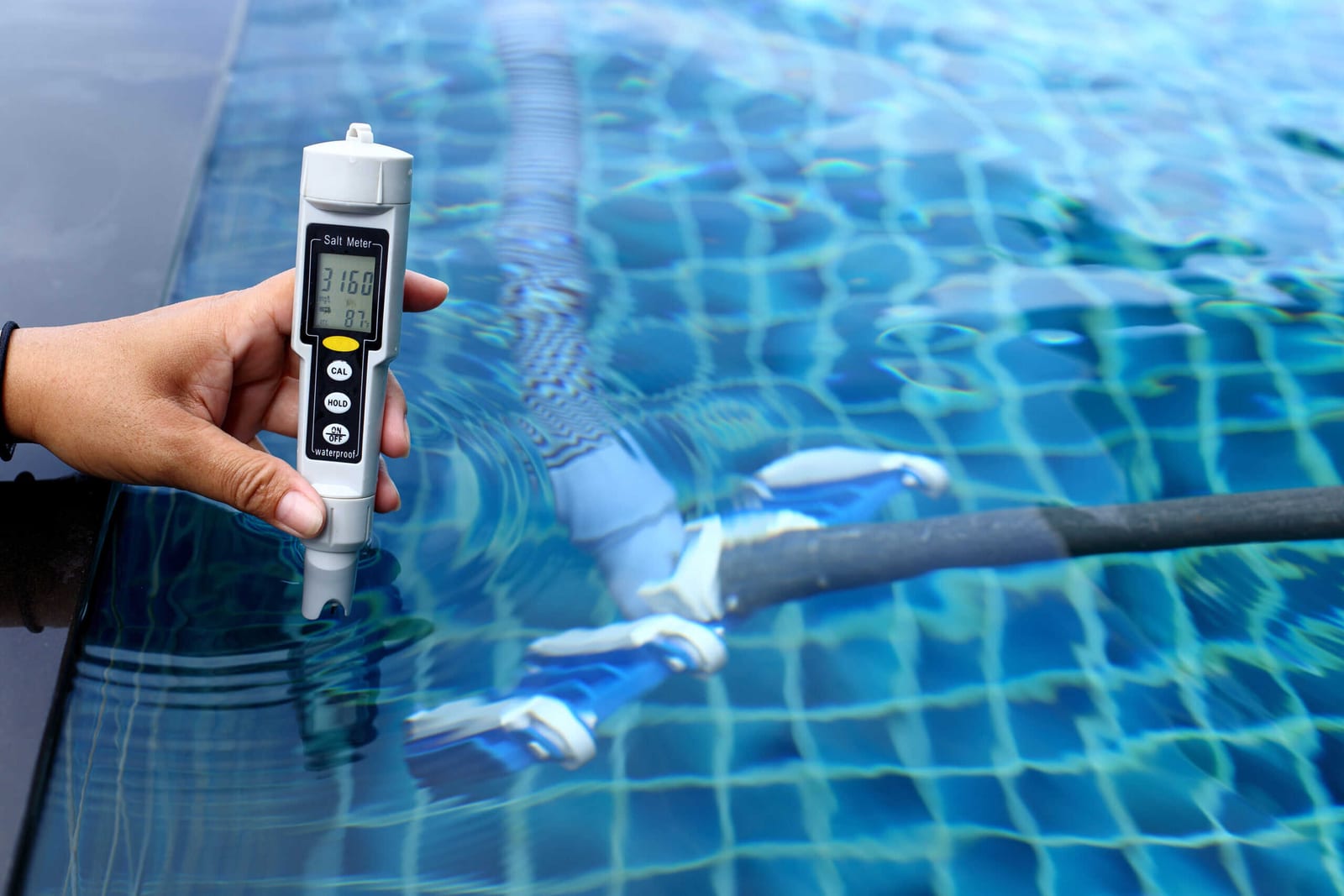
Salt systems convert dissolved sodium chloride into chlorine through electrolysis, producing a steady, low-level output that reduces the peaks and valleys common with tablet or liquid dosing. Pools on salt systems typically have fewer algae breakouts and softer-feeling water, which customers notice and appreciate.
For the service operator, maintaining a salt system means inspecting and cleaning the cell every few months and monitoring salt and stabilizer levels at each visit. The chemistry is less reactive than traditional chlorine management, which means fewer emergency calls and more predictable visit workflows.
Inline chemical feeders using liquid acid or chlorine can be paired with ORP and pH probes to automate correction entirely. High-end residential pools and HOA accounts increasingly expect this level of automation. Operators who can spec, install, and service these systems open the door to premium accounts that justify higher monthly rates.
Digital Route Management and Remote Monitoring
Technology is not limited to what goes in the water. Route management software has matured considerably, and operators who use it well gain a real edge. GPS-optimized routing reduces drive time between stops. Digital service reports sent automatically to customers after each visit build trust and reduce disputes. Payment processing through mobile apps eliminates check-chasing.
Remote monitoring systems attached to pool equipment let a technician review pump runtime, water temperature, and chemical output from a phone before arriving on-site. Arriving prepared — knowing that a pump ran dry overnight or that a heater is faulting — eliminates the guesswork that adds time to service calls.
For anyone evaluating pool routes for sale, ask whether existing accounts are already enrolled in a management platform. Routes with digital records are easier to audit, easier to hand off, and easier to grow because the operational foundation is already in place.
Putting It All Together
Adopting new technology does not require replacing every piece of equipment at once. A realistic upgrade path starts with the highest-volume tasks on your busiest days. If manual vacuuming is eating time, a commercial vacuum unit pays for itself quickly. If callbacks for chemical issues are common, a basic auto-feeder or salt system retrofit on problem accounts reduces those calls immediately.
The operators who stand out — and whose routes hold value when it comes time to sell — are the ones who treat technology as a core part of their service model rather than an optional add-on. Customers on routes serviced by skilled, well-equipped technicians stay longer, pay more reliably, and refer neighbors. That combination is what turns a collection of stops into a business worth owning.