📌 Key Takeaway: GPS tracking technology gives pool service business owners a practical edge by cutting drive time, improving worker accountability, and making their routes more attractive when it comes time to sell.
Why GPS Tracking Matters for Pool Service Businesses
Running a pool service business is more than chemicals and brushes — it is a logistics operation. You have drivers covering dozens of stops each week, vehicles loaded with equipment, and customers expecting a consistent, punctual visit. Without visibility into where your team is and how they move through the day, inefficiencies pile up fast.
GPS tracking solves this by giving you a live view of every vehicle on your route. You can see which stops have been completed, how long each service visit took, and whether a technician is running behind schedule. That level of oversight is difficult to achieve with phone calls alone, and it translates directly into tighter operations and a better customer experience.
If you are evaluating pool routes for sale or currently growing your own route book, understanding how GPS technology fits into daily operations will help you make smarter decisions about the business.
Optimizing Stop Order to Cut Fuel and Drive Time
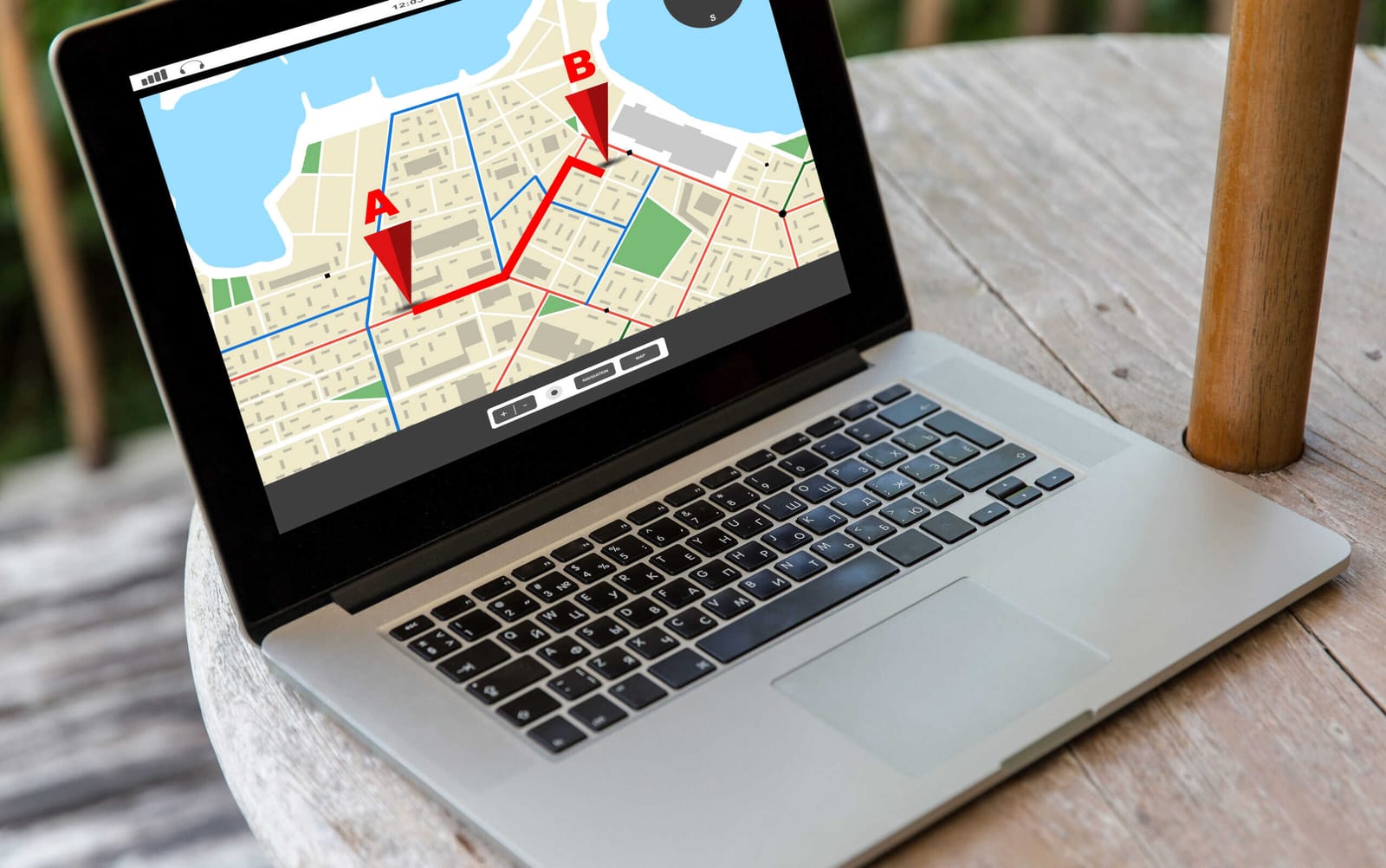
The single biggest operational gain from GPS tracking is route optimization. Rather than letting technicians drive in whatever order feels natural, you can sequence stops to minimize backtracking and total miles driven. Software connected to your GPS devices can recalculate the best order each morning based on traffic conditions, appointment windows, and last-minute changes.
Even a modest reduction in daily drive time adds up quickly. Cutting 20 minutes off a route that runs five days a week saves more than 85 hours per year per truck. Multiply that across multiple vehicles and you have recovered a significant amount of billable labor that was previously lost to windshield time.
Lower fuel consumption is the second direct benefit. Diesel and gasoline costs are a meaningful line item for any pool service operation. Shorter routes mean fewer miles, which reduces both fuel spend and wear on your vehicles. Less wear means longer intervals between major maintenance and lower repair bills over time.
Holding Technicians Accountable Without Micromanaging
GPS data creates a factual record of where each vehicle was and when. That record protects you in several ways. If a customer calls to complain that their pool was not serviced, you can pull the location history and either confirm the visit happened or identify a missed stop quickly. There is no ambiguity, no he-said-she-said — just timestamped coordinates.
This kind of visibility also encourages consistent performance without requiring you to ride along or call constantly. Technicians who know their location is logged tend to stay on task and arrive at stops on schedule. Over time, this raises the overall reliability of your service without creating a surveillance culture — it simply sets a clear standard and gives you the data to enforce it fairly.
For pool service owners managing multiple routes or scaling to a second crew, GPS accountability is especially valuable. You cannot be everywhere at once, and this technology extends your oversight across the entire operation.
Responding Faster to Problems in the Field
Unexpected issues happen every day in pool service — a truck breaks down, a customer needs an emergency visit, or a technician calls in sick. GPS tracking lets you respond to these situations in real time. You can see which nearby vehicle is best positioned to cover a missed stop, reroute a driver around a traffic incident, or dispatch support to a stranded truck without wasting time on back-and-forth phone calls.
This responsiveness matters to customers. When a service window gets missed and you can immediately identify a solution and communicate it to the client, you preserve the relationship instead of losing it. Fast problem resolution is one of the clearest signals to customers that your business is well-organized and professional.
Protecting Equipment and Reducing Theft Risk
Pool service trucks carry thousands of dollars in chemicals, tools, and equipment. GPS tracking gives you a way to monitor after-hours vehicle movement and respond quickly to unauthorized use. If a truck moves outside business hours or leaves a defined geographic boundary, you can receive an alert and act immediately.
Beyond theft deterrence, the data also helps with insurance. Some carriers offer lower premiums for fleets with active GPS monitoring because the risk profile improves. Over a fleet of several vehicles, that discount can offset the cost of the tracking service itself.
What GPS Data Means When You Are Ready to Sell
Buyers looking at pool routes for sale pay close attention to how a business is managed. A route book supported by GPS history gives a buyer concrete evidence of service consistency — they can see that every stop was visited on schedule, that drive times are tight, and that the operation runs predictably. That documentation reduces the perceived risk of the purchase and supports a stronger asking price.
Even if you are years away from selling, building GPS data into your operation now means you will have a long history of verified service records when the time comes. That is a competitive advantage over routes sold without supporting data.
Getting Started with GPS Tracking
Most GPS fleet solutions are subscription-based and integrate with route management software you may already use. Setup typically involves a small plug-in device for each vehicle and a mobile app for your technicians. The learning curve is low, and most owners see measurable improvements in the first month.
Start with one truck if you are uncertain about the investment, track your results for 60 days, and then decide whether to expand. The data will tell you quickly whether the savings justify the cost — and in almost every case for pool service businesses, they do.