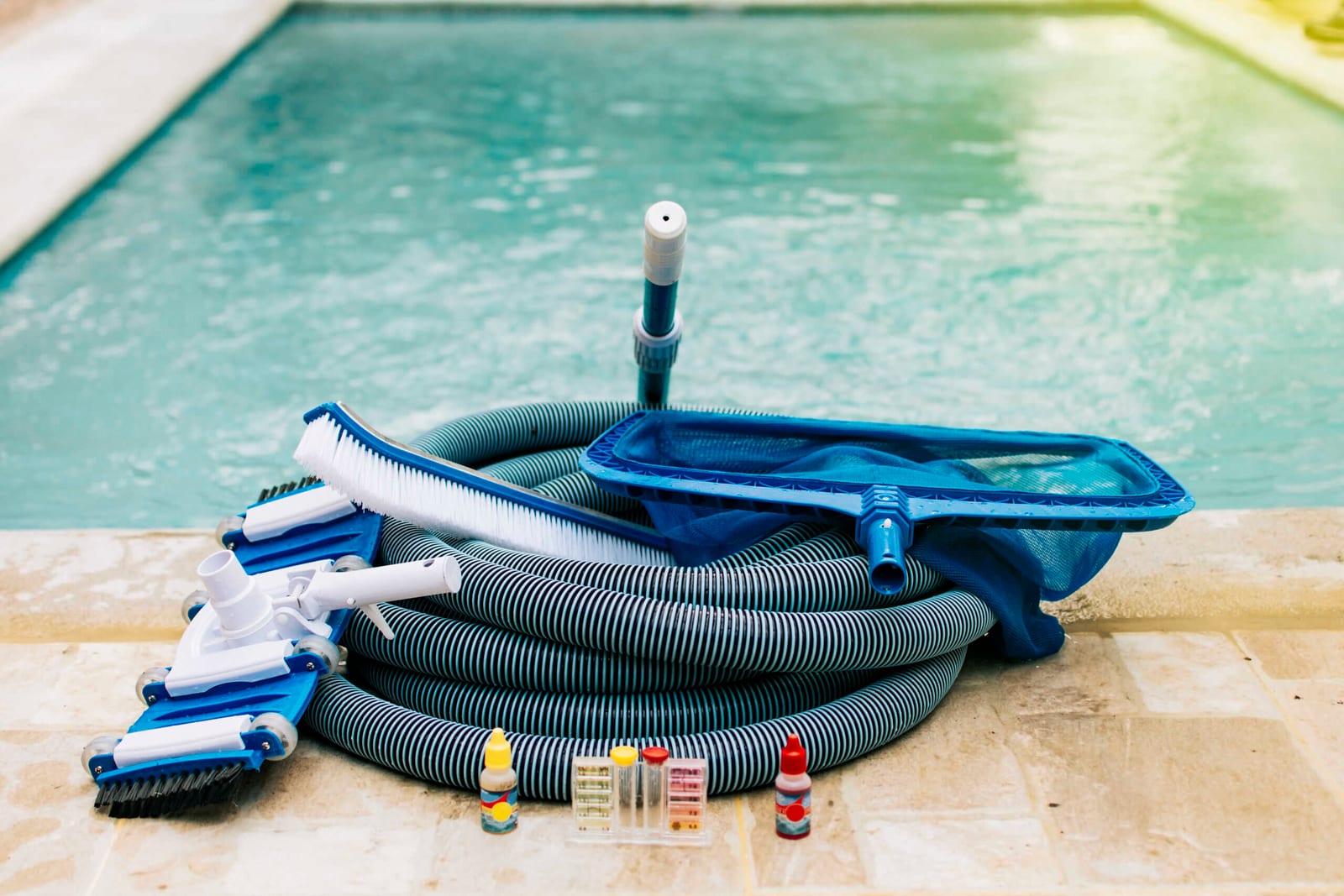
📌 Key Takeaway: Mastering pool cleaning fundamentals — water chemistry, circulation, vacuuming, and filter maintenance — is the foundation every successful pool service technician needs before taking on accounts through pool routes for sale.
Why Pool Cleaning Basics Matter for Your Business
When you're entering the pool service industry, either as a solo technician or as someone exploring pool routes for sale, the quality of your work at each stop determines your reputation and your retention rate. Customers stay with a service provider who consistently delivers clean, safe, balanced water. Cutting corners on fundamentals leads to algae blooms, equipment failures, and lost accounts. Understanding the basics from day one sets you apart from technicians who learn bad habits and carry them forward for years.
This guide walks through the core tasks you'll perform on every service visit: water chemistry testing, circulation checks, vacuuming, brushing, skimming, basket cleaning, and filter maintenance. Build these into a consistent routine and your stops will run faster, your customers will be happier, and your business will grow.
Understanding Water Chemistry
Water chemistry is the most important variable you'll manage. Get it wrong and everything else suffers — equipment corrodes, chlorine loses effectiveness, and swimmers get sick.
Chlorine is your primary sanitizer. It kills bacteria, algae, and other microorganisms that make water unsafe. The target range is 1.0 to 3.0 parts per million (ppm). Use test strips or a liquid reagent kit at each visit, compare the result to the reference chart, and adjust by adding chlorine tablets, granules, or liquid as needed.
pH governs how effective your chlorine actually is and how comfortable the water feels. The ideal range is 7.2 to 7.6. Water below 7.2 is acidic — it irritates eyes and skin and corrodes equipment. Water above 7.6 makes chlorine far less effective. Raise pH with sodium carbonate (soda ash) and lower it with muriatic acid or dry acid. Always test pH alongside chlorine; the two are tightly linked.
Alkalinity and stabilizer round out the routine chemistry check. Total alkalinity acts as a pH buffer, and cyanuric acid (stabilizer) protects chlorine from UV degradation in outdoor pools. Keep a pocket notebook or use a route-tracking app to log readings at each account so you can spot trends before they become problems.
Circulation: The Pump and Return System
Pool water must move continuously to distribute chemicals, push debris to skimmers, and run water through the filter. On each visit, confirm the pump is running and the pressure gauge on the filter reads within the normal range for that specific system. A reading significantly above baseline usually means the filter needs service.
Water flows in through skimmers and the main drain on the suction side, passes through the pump and filter, and returns through jets positioned around the pool wall. Make sure return jets are angled to create a circular flow pattern — this sweeps debris toward the skimmer and prevents dead spots where algae can take hold.
Vacuuming Technique
Manual vacuuming removes settled debris the circulation system can't pick up on its own.
Attach the vacuum head to your telescopic pole and connect the hose. Submerge the entire assembly and prime the hose by holding the open end against a return jet until air bubbles stop — this fills the hose with water and prevents the pump from losing prime. Attach the hose to the skimmer suction port, then move the vacuum head slowly across the pool floor using overlapping passes. Rushing leaves streaks.
Battery-powered vacuums like the Hammerhead are popular on production routes because they don't tie up the pool's filtration system. Connect the power cable, lower the head to the floor, and work methodically from the shallow end toward the deep end. Empty the debris bag between pools so suction stays strong.
Brushing and Skimming
Brushing is non-negotiable, even when a pool looks clean. Algae begins as a biofilm on surfaces long before it becomes visible. Attach a nylon brush (or a stainless-steel brush for plaster pools with stubborn algae) to your pole and scrub walls, steps, and the floor. Work from the waterline down to the main drain so loosened debris flows toward the suction.
Skimming the surface with a leaf net takes only a minute or two but makes an immediate visual impact — the first thing a customer notices is whether the water surface looks clean. Empty the net bag after each pool to avoid transferring debris between accounts.
Cleaning Baskets
Check and empty two baskets at every stop. The skimmer basket sits inside the skimmer housing at the pool's edge. Lift it out, dump the debris, and rinse it with your hose if it's caked with fine material. The pump basket is inside the pump housing before the impeller. Turn the pump off before opening the lid, remove the basket, empty it, and inspect for cracks. A cracked basket allows debris to reach the impeller and cause costly damage. Replace worn baskets immediately — they cost a few dollars and save hundreds in repair calls.
Filter Maintenance Basics
Three filter types dominate residential pools, and each requires a different service approach.
Sand filters are backwashed by switching the multiport valve to "backwash," running the pump for two to three minutes until the sight glass runs clear, then switching to "rinse" for thirty seconds before returning to "filter." Backwash when pressure reads 8 to 10 psi above the clean baseline.
Cartridge filters require the pump to be off and the air relief valve to be opened before removing the housing lid. Pull the cartridges, rinse them with a hose using a filter wand, and inspect for tears or channeling. A deep soak in a cartridge cleaning solution every few months extends the life of the media significantly.
D.E. (diatomaceous earth) filters are backwashed like sand filters, but you must add fresh D.E. powder through the skimmer after each backwash to recoat the grids. Follow manufacturer specifications for the correct amount — too little leaves gaps, too much restricts flow.
Building a Repeatable Service Routine
Consistency is the hallmark of a professional operation. Arrive, test the water, note the readings, brush, skim, vacuum, empty baskets, check the filter pressure, add chemicals, and document everything before you leave. A route built on this routine produces fewer callbacks, stronger customer relationships, and word-of-mouth referrals that grow your business organically. Every clean pool is an advertisement.