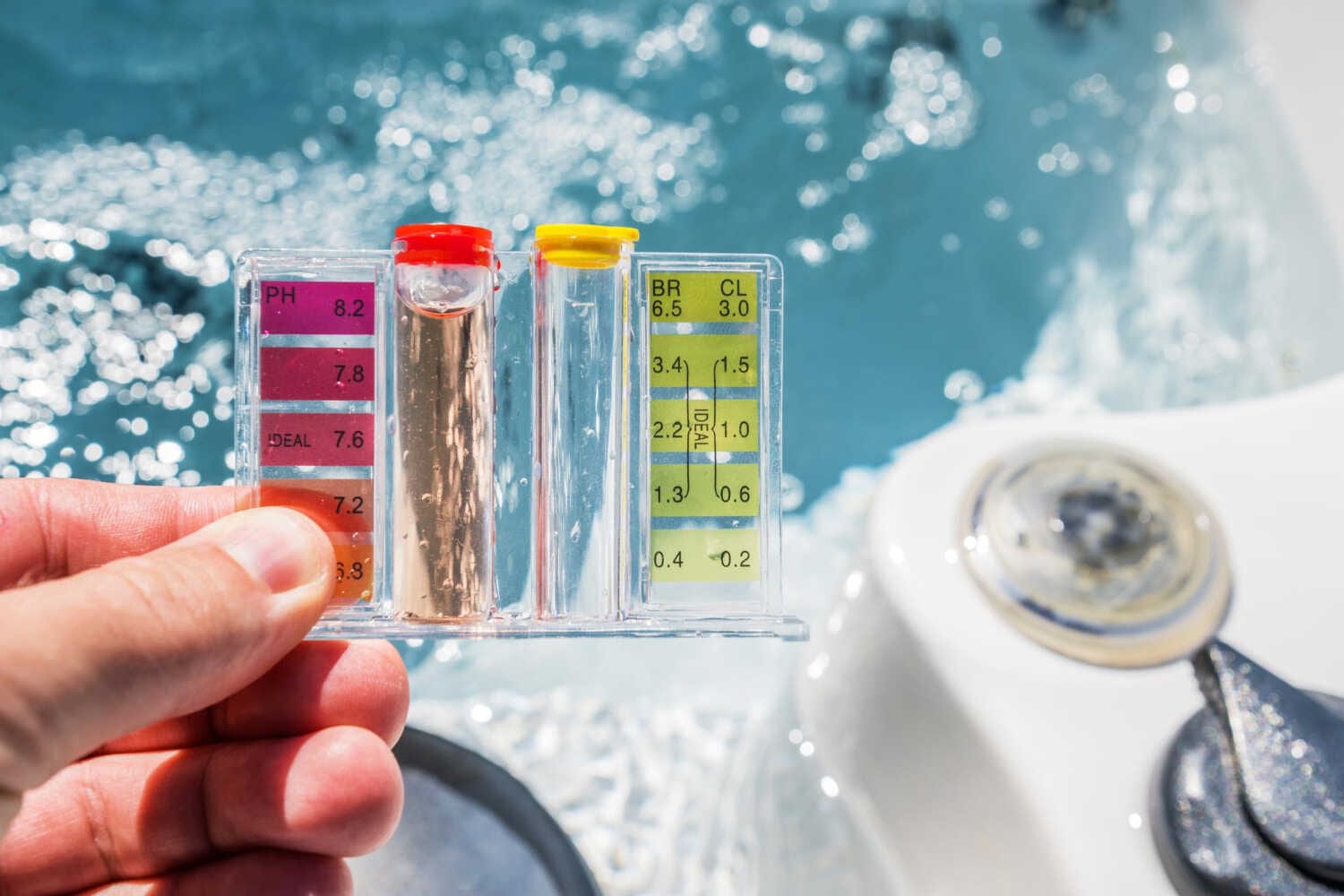
📌 Key Takeaway: Keeping pool pH in the 7.2–7.8 range is one of the most cost-effective habits a pool service technician can develop, protecting equipment, satisfying customers, and boosting the long-term value of any route.
Why pH Is the Foundation of Every Pool Service Visit
Walk up to any pool and the first thing a seasoned technician does is test the water chemistry — and pH is always at the top of that checklist. pH measures how acidic or alkaline the water is on a scale of 0 to 14. A reading of 7.0 is neutral, anything below that is acidic, and anything above is alkaline. Pool water should sit between 7.2 and 7.8. That narrow window isn't arbitrary. It reflects the conditions under which chlorine works most efficiently, surfaces hold up longest, and swimmers feel most comfortable.
When pH drifts out of range — even slightly — a cascade of problems follows. Chlorine loses its sanitizing punch, surfaces begin to degrade, and customers start noticing issues that lead to complaints and canceled contracts. For pool service business owners, understanding why pH behaves the way it does is the difference between reacting to problems and preventing them.
What Causes pH to Drift
pH does not stay put on its own. Several forces push it up or down between service visits, and knowing them helps technicians anticipate corrections before they become emergencies.
Rain and weather are among the biggest culprits. Rainwater carries atmospheric carbon dioxide, which forms carbonic acid when it hits pool water, driving pH down. A heavy Florida thunderstorm can drop pool pH noticeably overnight. Conversely, in areas with very high temperatures and high evaporation rates, pH tends to creep upward as water offgasses carbon dioxide on its own.
Bather load matters more than most customers realize. Every swimmer introduces organic compounds — body oils, sunscreen, urine, perspiration — that react with chlorine and alter pH. A backyard pool used daily by a family differs dramatically from the same pool that sits mostly idle all week.
Chemical additions have their own pH footprint. Liquid chlorine (sodium hypochlorite) is highly alkaline and pushes pH up. Trichlor tablets are acidic and drag it down. Cal-hypo sits closer to neutral but still shifts the balance. A technician who understands these chemistry signatures can choose the right products and doses to keep correction work minimal.
Aeration and circulation also play a role. Waterfalls, fountains, and splash activity all release CO2 from the water, nudging pH upward. Pools with heavy water features may need more frequent acid additions than standard pools on the same route.
The Damage Low pH Causes to Surfaces and Equipment
When pH falls below 7.2, the water turns corrosive. This is where real money gets destroyed — both for pool owners and for technicians whose reputation depends on well-maintained equipment.
Acidic water attacks metal components first. Pump impellers, heater heat exchangers, copper piping, and stainless steel handrails all corrode faster in low-pH environments. A heater that should last twelve years might fail in four if pH is chronically low. Pool owners will not always connect the failure to chemistry — but their pool service technician should.
Plaster and pebble-tec finishes are equally vulnerable. Acidic water dissolves calcium from the surface, creating a rough, pitted texture that is expensive to refinish. Vinyl liner pools suffer a different fate: low pH stiffens the liner material over time, making it brittle and prone to cracking.
Equipment repairs and surface resurfacing are large, visible costs that damage customer trust. Staying ahead of low pH is far cheaper than explaining a failed heater.
The Problems High pH Creates
Alkaline conditions above 7.8 create a different set of headaches. Chlorine efficiency drops dramatically — at a pH of 8.0, only about 20% of the free chlorine in the water is in its active sanitizing form. That means customers are paying for chemicals that are not actually keeping their pools safe.
High pH also triggers calcium scaling. Calcium carbonate precipitates out of solution and deposits on pool surfaces, tile lines, return jets, and inside plumbing. Scaling clogs filter laterals, reduces pump flow, and creates rough surfaces that harbor algae. Removing established scale requires acid washing or mechanical scrubbing — time-consuming work that adds unplanned labor to a route.
Cloudy water is another symptom of high pH that customers notice immediately. When water goes from clear to hazy without an obvious reason, pH and total alkalinity are usually involved. A technician who can diagnose and correct this quickly builds confidence with customers; one who cannot risks losing the account.
pH Management as a Business Differentiator
For anyone running or acquiring pool routes for sale, chemistry consistency directly affects the financial performance of the route. Routes built on well-maintained pools have lower equipment failure rates, fewer emergency calls, and higher customer retention. When a buyer evaluates a route, they look at revenue stability — and chemistry problems quietly undermine that stability over time.
A practical approach is to test pH at every visit without exception and document the readings. Customers who receive a brief summary of their water chemistry readings feel informed and valued. That transparency creates loyalty and referrals. It also creates a written record that protects the technician if equipment fails and a customer looks for someone to blame.
Balancing total alkalinity alongside pH is equally important. Total alkalinity acts as a pH buffer, resisting rapid swings. Keeping total alkalinity between 80 and 120 ppm stabilizes pH and reduces the frequency and size of corrections needed. Less chemical spend per visit improves margins across the entire route.
Building pH Checks Into Every Route Stop
The most efficient way to manage pH is to make it non-negotiable on every stop. Whether the pool looks perfect or shows visible problems, testing before adding any chemicals takes less than two minutes and shapes every other decision made at that service call.
Invest in a reliable digital tester or high-quality test strips and calibrate regularly. Know the baseline chemistry tendencies of each pool on the route — some always run high, some always run low — and bring the right products to correct them efficiently. Over time, this institutional knowledge about each pool becomes a competitive advantage.
For pool service businesses considering growth through pool routes for sale, demonstrating strong chemistry documentation practices signals professionalism to sellers and makes the transition to new ownership smoother. Routes where chemistry is managed systematically command better terms and experience fewer customer defections after a sale.
Proper pH management is not glamorous work, but it is the kind of consistent, technically sound practice that separates average pool service businesses from excellent ones.