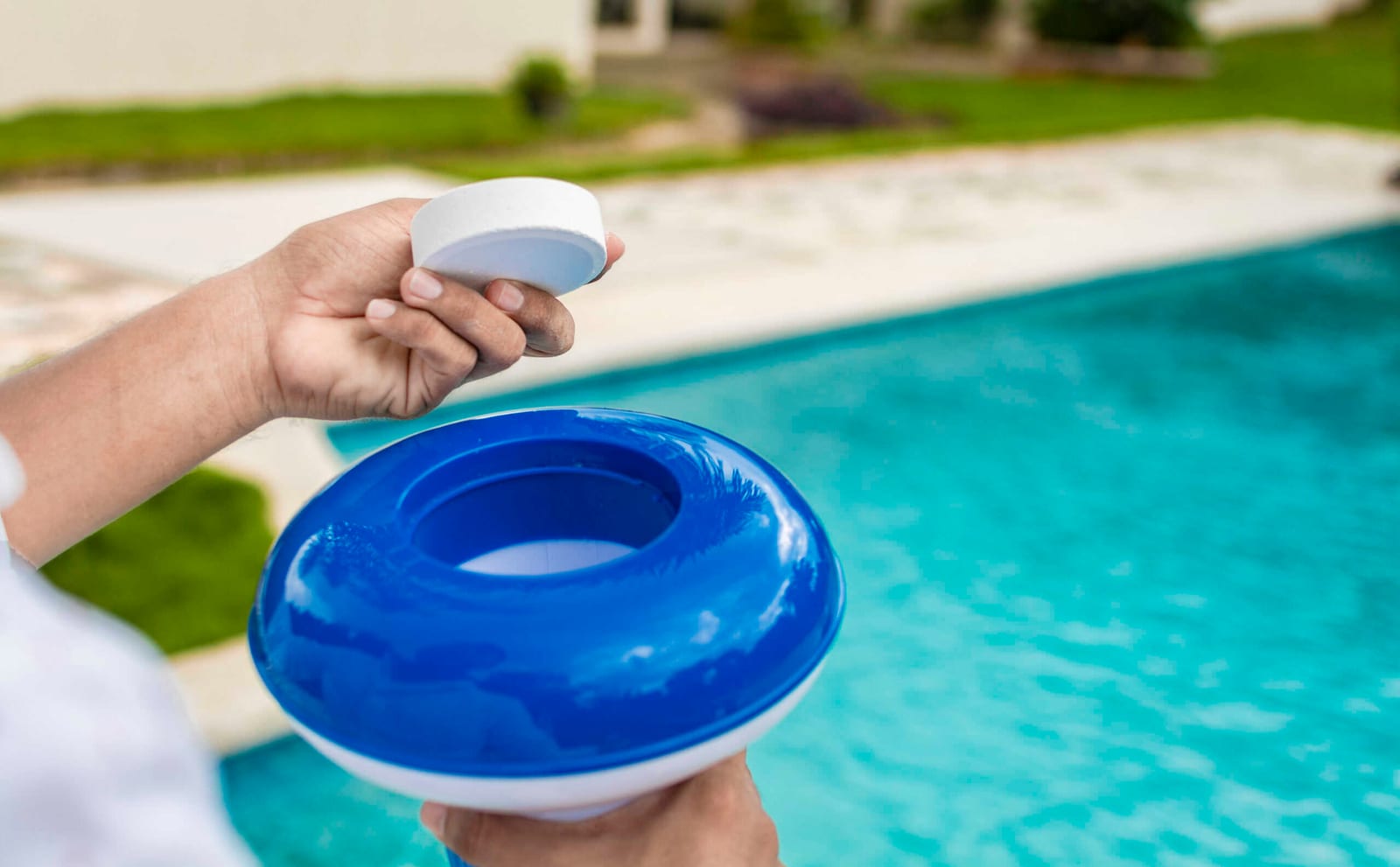
📌 Key Takeaway: Safe pool chemical handling is a non-negotiable skill for every pool route owner — mastering it protects your clients, your employees, and the long-term profitability of your business.
Why Chemical Safety Matters on Every Stop
When you service dozens of pools each week, the margin for error with chemicals is razor thin. A single mishandled product can injure a technician, contaminate a pool, or expose your business to liability that takes years to recover from. Pool route owners who treat chemical safety as a core operating standard — not an afterthought — consistently deliver better service, retain more clients, and build routes worth buying or selling.
Chlorine, bromine, pH adjusters, algaecides, and stabilizers all play a specific role in keeping water balanced and safe for swimmers. But each of these products is also a hazardous material that demands respect. Understanding how to store, transport, measure, and apply them correctly is as important as any sales skill or scheduling system you bring to your business.
If you are evaluating pool routes for sale or already running an established route, building strong chemical-handling habits from day one will protect your investment for the long haul.
Read and Keep Safety Data Sheets
Every chemical product sold for commercial pool use comes with a Safety Data Sheet (SDS). These documents describe the hazards of the product, proper protective equipment, safe storage conditions, first aid procedures, and spill response protocols. Before any technician handles a product for the first time, the SDS for that product should be read and understood.
Keep physical copies of SDS documents in your service vehicle and a digital backup in any scheduling or operations software you use. When you onboard a new employee or purchase a route with existing staff, reviewing these sheets together is one of the fastest ways to establish your safety standards from the start.
Never Mix Chemicals — Separately Add Each One
One of the most dangerous mistakes in pool service is combining chemicals that should never be in contact with each other. Mixing oxidizers like chlorine with acids or other incompatible compounds can generate toxic gases, cause fires, or trigger violent reactions that injure anyone nearby.
The rule is simple: add chemicals to the pool water one at a time, never together in a bucket, and never in rapid succession without proper wait time. Always add the chemical to the water — never pour water onto a concentrated chemical — because the reverse can trigger an exothermic reaction and cause dangerous splashing.
When using multiple products during a service stop, consult the SDS for each to confirm the recommended wait periods between applications. If you are training new technicians or acquiring a route through pool routes for sale with existing employees, this rule should be covered explicitly during onboarding.
Proper Storage and Transport Practices
Chemicals degrade, react, and become unstable when stored incorrectly. Follow these practical guidelines:
- Store oxidizers and acids in separate, clearly labeled sections of your truck or storage area, never side by side.
- Keep all containers tightly sealed between uses to prevent moisture from entering, which can trigger reactions or reduce effectiveness.
- Avoid storing chemicals in direct sunlight or high-heat areas of your vehicle, such as near the engine or under a dark tarp in summer.
- Use secondary containment bins so that any leak stays contained and does not mix with other products.
- Rotate stock regularly and never use chemicals past their stated shelf life.
For route owners who store bulk chemicals at a home base or shop, ventilation is critical. Concentrated chlorine gas buildup in a closed space is a serious inhalation hazard. Install vents and keep the area dry, as moisture accelerates degradation and off-gassing.
Personal Protective Equipment Is Not Optional
When handling concentrated chemicals — measuring, pouring, or responding to spills — the right PPE must be worn every time. At minimum, this means:
- Chemical-resistant gloves (nitrile or neoprene, not latex)
- Safety glasses or chemical splash goggles
- Long sleeves and closed-toe shoes
- A respirator or N95 mask when handling granular or powdered products that produce dust
Some pool service operators skip PPE because individual jobs feel routine. But cumulative exposure to chemical dust and fumes over months and years carries real health consequences. Making PPE use a non-negotiable habit protects your technicians and reduces your workers' compensation exposure.
Responding to Spills and Exposure
Spills happen even with the best practices in place. Every technician should know how to respond without hesitation:
- For skin or eye contact, flush with large amounts of clean water for at least 15 minutes and seek medical attention if irritation persists.
- For spills on a surface, contain the material with dry absorbent material (never use water on oxidizer spills unless the SDS directs it), place waste in a sealed container, and dispose of according to local regulations.
- For gas exposure or inhalation, move to fresh air immediately and call emergency services if symptoms persist.
Keep a spill kit, eyewash solution, and a printed emergency contact list in every vehicle. Document any incident that involves chemical exposure — this protects your business and helps identify patterns that need additional training.
Building a Culture of Safety Across Your Route
Safe chemical handling is not just an individual skill — it is a business culture. Route owners who invest time in regular safety briefings, vehicle inspections, and clear written procedures see fewer incidents and run more efficient operations.
When reviewing any pool service business for acquisition or expansion, the chemical handling habits of the existing team are worth evaluating as closely as the revenue numbers. A route that has cut corners on safety may carry hidden liabilities that affect profitability well after the purchase closes.
By making safety the foundation of your daily operations, you build a business that clients trust, employees want to work for, and future buyers will recognize as a well-run operation.