📌 Key Takeaway: Controlling algae is one of the most critical skills for pool service professionals, and mastering it protects both your customers' pools and the long-term value of your business.
Why Algae Is a Serious Problem for Pool Service Professionals
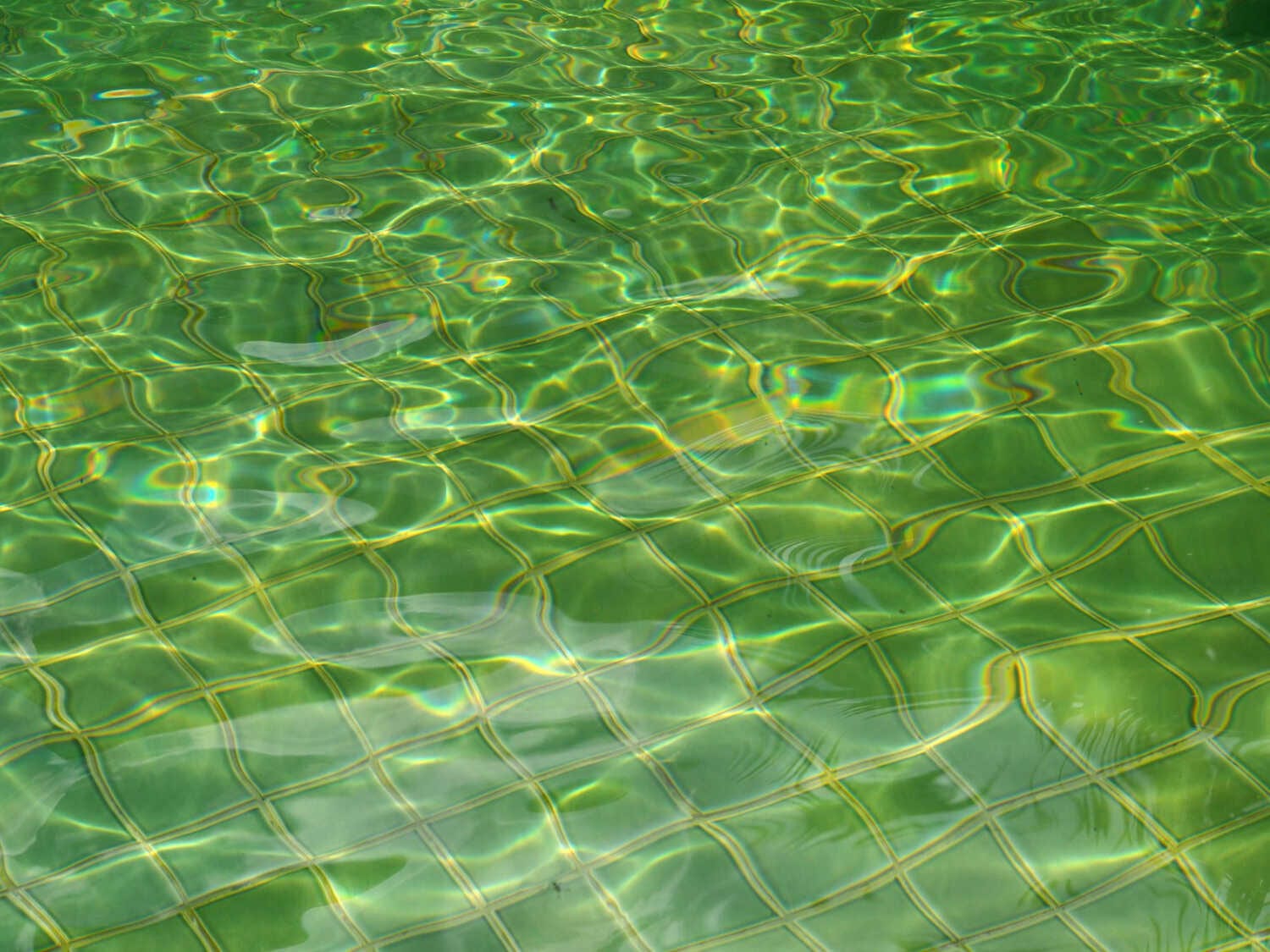
Algae is the enemy of every pool service technician. It turns crystal-clear water murky, stains surfaces, clogs filters, and creates real safety hazards. Slippery algae-coated steps and floors cause slips and falls. Certain algae strains shelter harmful bacteria like E. coli, putting swimmers at genuine health risk.
For pool service business owners, uncontrolled algae has a direct impact on your bottom line. Customers notice immediately when a pool looks green or cloudy, and repeated algae outbreaks erode trust fast. If you're evaluating pool routes for sale, understanding the current algae management practices on each account is an important part of your due diligence. Routes where algae is consistently controlled signal a well-run operation.
The good news is that with the right knowledge and routine, algae is entirely preventable. The key is understanding what you're dealing with before you treat it.
The Three Types of Algae and How to Treat Each One
Not all algae respond to the same treatment. Misidentifying the type is one of the most common mistakes technicians make, and it leads to wasted chemicals and frustrated customers.
Green algae is by far the most common. It spreads quickly, turning water green and cloudy seemingly overnight. Green algae is relatively easy to treat because it responds well to chlorine. A pool shock — raising free chlorine to 10–30 ppm depending on severity — kills green algae effectively. After shocking, run the filter continuously and brush pool walls to break up any surface film. Follow up with a maintenance algaecide to prevent regrowth.
Yellow (mustard) algae is trickier. It clings to walls and floors, often looking like sand or dirt that doesn't brush away easily. Yellow algae is chlorine-resistant, which catches many technicians off guard. Effective treatment requires sodium bromide added before a heavy shock, which activates the bromide and creates a potent killing environment. All equipment — brushes, nets, vacuum heads — should be sanitized after treating a mustard algae pool, since this type spreads readily from contaminated gear.
Black algae is the most stubborn of the three. It roots itself into plaster and grout, building a protective waxy layer that shields it from chemicals. Surface treatment alone rarely works. You need to physically scrub the affected spots with a stiff wire brush to break that outer barrier, then apply a copper-based algaecide directly to the roots. Multiple treatments over several weeks are often necessary. Black algae left untreated will continue spreading and can permanently stain and etch pool surfaces, creating expensive repair work for your customers.
Building a Reliable Algae Prevention Routine
Treatment is expensive in time, chemicals, and customer goodwill. Prevention is far more cost-effective. A consistent weekly routine eliminates most algae problems before they start.
Maintain chemical balance every visit. Algae thrives in unbalanced water. Keep free chlorine between 1–3 ppm, pH between 7.2–7.6, and total alkalinity between 80–120 ppm. When pH drifts too high, chlorine loses effectiveness rapidly — a pool at pH 8.0 has chlorine that is roughly 80% less effective than at 7.2. Test on every visit, not just when something looks wrong.
Brush and vacuum consistently. Algae spores attach to walls, steps, and floors before they become visible. Regular brushing disrupts that attachment and sends spores into the water where the sanitizer and filter can handle them. Don't skip brushing on "clean-looking" pools — spores are invisible until the bloom starts.
Keep filtration running optimally. A poorly functioning filter is one of the biggest contributors to algae problems. Check filter pressure each visit, backwash sand and DE filters on schedule, and clean cartridge filters regularly. Run circulation long enough each day — typically 8–12 hours depending on pool size and usage — so the sanitizer reaches every corner of the pool.
Use a preventive algaecide weekly. A maintenance-dose algaecide added each week creates a residual layer of protection. This is especially valuable in summer, when warmer water temperatures dramatically accelerate algae growth. Quaternary ammonium algaecides work well for weekly maintenance; polyquat algaecides are a better choice for persistent or resistant algae.
What Algae Problems Signal About a Pool Route's Health
If you are considering acquiring accounts through pool routes for sale, pay attention to the state of the pools on any route you are evaluating. Persistent algae across multiple accounts often indicates that the current service provider has been cutting corners — skipping chemical treatments, under-dosing, or not visiting on schedule.
That can actually represent an opportunity. Routes with neglected accounts can be acquired at a lower price and turned around quickly once proper service is restored. Customers whose pools have been chronically green are often relieved and loyal when a new technician shows up and fixes the problem fast. On the other hand, chronic algae can also signal accounts with structural issues — poor circulation, shading, or irrigation runoff — that require more labor per visit than average.
Investing in Algae Knowledge Pays Off Long-Term
Algae control is one of the fundamentals that separates average technicians from excellent ones. Customers may not always notice the chemistry work you do behind the scenes, but they absolutely notice a green pool. Consistently delivering clear, healthy water builds the kind of reputation that keeps accounts for years and generates referrals.
For pool service business owners, that reputation is a tangible asset — it shows up in retention rates, in the quality of your accounts, and ultimately in the value of your business.