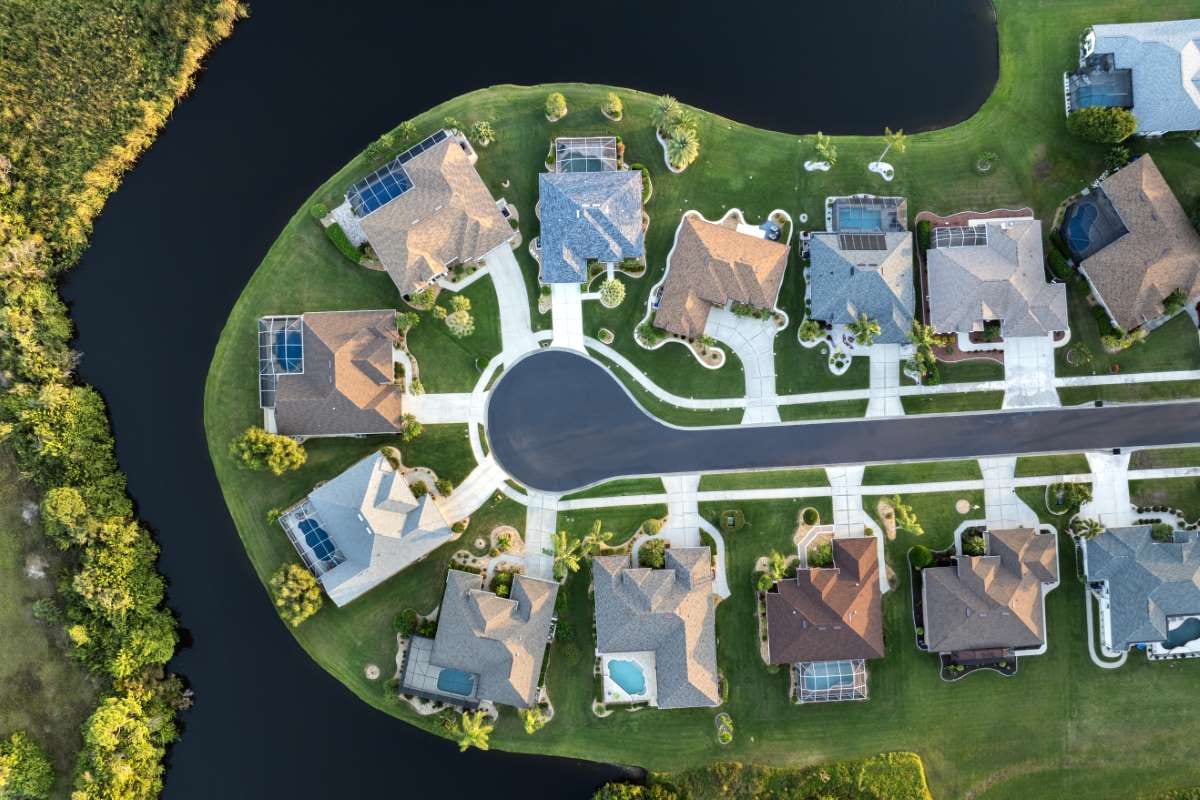
📌 Key Takeaway: Florida's diverse pool markets — from Bradenton's growing suburbs to Coral Gables' luxury estates — offer pool service business owners ready-made revenue through established routes that cost half the industry standard and come with verified accounts from day one.
Why Florida's Pool Market Rewards Route Buyers Right Now
Florida's year-round warmth means pools run 12 months a year, and that constant demand translates directly into predictable monthly billing for route owners. Unlike starting a service business from scratch, buying an established pool routes for sale package gives you verified customers, known stop locations, and measurable revenue before you ever turn a wrench.
The markets covered here — Bradenton, Manatee County, Kissimmee, Osceola County, Coral Gables, Gainesville, and Safety Harbor — each have distinct characteristics that affect route density, account mix, and growth ceiling. Understanding those differences helps you pick the right market for your experience level and financial goals.
Bradenton and Manatee County: Steady Suburban Demand
Bradenton sits at the mouth of the Manatee River and has been absorbing population growth from the broader Tampa Bay region for years. New residential construction means new pools, and newer pools tend to be easier to service with modern equipment. Route density in Manatee County is well-suited for operators who want tight stop clusters that keep drive time low and billable hours high.
For buyers looking to start with 20 to 40 accounts, Bradenton-area routes offer a manageable on-ramp. Monthly billing in residential suburban markets like this tends to be consistent — homeowners rarely cancel service, especially when they rely on automated cleaning systems that still require chemical balancing and equipment checks.
Kissimmee and Osceola County: Volume and Variety
Kissimmee presents a different opportunity. Osceola County's short-term rental market — driven by proximity to major theme parks — means a significant share of pools are managed by property management companies rather than individual homeowners. That creates commercial-style contracts with higher account values and more predictable scheduling.
Operators in Kissimmee should plan routes that mix residential stops with vacation property accounts. The seasonal rhythm differs from purely residential markets: occupancy drives demand rather than just weather. Buyers who understand both residential maintenance and the slightly different service requirements for high-traffic vacation pools will find Osceola County a strong long-term market.
Coral Gables: Premium Accounts, Precision Service
Coral Gables is one of the highest-value pool markets in South Florida. The neighborhood's older, architecturally significant homes often feature custom pools with elaborate water features, specialty finishes, and automation systems that require more technical knowledge to maintain. Account values are higher, but so are customer expectations.
Buying a route here is a fit for operators who have solid water chemistry knowledge and are comfortable with variable-speed pumps, salt systems, and automation controllers. The payoff is that customers in Coral Gables rarely switch providers on price alone — service quality and reliability matter more, which means lower churn once you establish trust.
Gainesville: University City Growth
Gainesville's pool market is tied closely to the city's growth as a regional hub, not just a college town. The surrounding residential areas have expanded significantly, and newer neighborhoods outside the university district have pools at rates comparable to other Florida metros. Route buyers in Gainesville benefit from lower cost of living, which keeps operating expenses — fuel, supplies, labor if you expand — more manageable than in South Florida markets.
Monthly billing tends to be in line with statewide averages, and the customer base skews toward stable homeowners rather than transient renters. That stability makes Gainesville a solid choice for first-time route buyers who want predictable income while they learn the business.
Safety Harbor: Compact Market, Loyal Customers
Safety Harbor is a small city on Tampa Bay's western shore with a tight-knit residential feel. Pool routes here typically involve shorter drives between stops, which improves the economics of each service day. Customers in Safety Harbor tend to stay with reliable providers for years, making churn low once your route is established.
The market is smaller than Bradenton or Kissimmee, which means route availability is more limited, but it also means less competition for the accounts that do come up. Buyers who prioritize efficiency over scale will find Safety Harbor routes easier to operate solo without hiring additional technicians right away.
What to Look for in Any Florida Pool Route Purchase
Regardless of which market you target, the same fundamentals determine whether a route is a good buy. Account density — how close together your stops are — directly affects how many pools you can service per day. Routes with stops spread across 30 miles of city are harder to operate profitably than tightly clustered accounts in a single ZIP code.
Monthly billing per account matters too. A route with 40 accounts averaging $120 per month generates more revenue than one with 50 accounts averaging $80. Ask for the billing breakdown before committing, and verify that the accounts listed are active — not leads or prospects.
Warranty terms protect you if accounts drop off after you take over. A solid replacement guarantee — typically covering losses within the first 60 days — is standard practice among reputable route sellers and should be a baseline expectation, not an extra.
Getting Started with a Route Purchase
The acquisition process is straightforward when you work with an experienced seller. You select your target cities or ZIP codes, decide on how many accounts you want to start with, and receive a purchase order detailing the account breakdown and total monthly billing. Once signed, a deposit secures your route and the account transfer begins within about ten days.
Training is available for buyers who want to sharpen their technical skills before hitting the road — covering water chemistry, equipment operation, and customer communication. For operators new to the industry, that hands-on preparation closes the gap between buying a route and running it confidently.
Exploring the full inventory of available pool routes for sale is the logical first step. Florida's markets move, and routes in desirable areas like Coral Gables or Safety Harbor don't stay available long. Having your target market and account count in mind before you reach out puts you ahead of buyers who are still deciding.