📌 Key Takeaway: Choosing the right vehicle for your pool route business directly impacts your daily efficiency, operating costs, and ability to scale — so it deserves the same careful planning as any other major business investment.
Why Your Vehicle Is the Backbone of Your Pool Route
When you run a pool service business, your vehicle is not just transportation — it is your rolling warehouse, your billboard, and your most-used piece of business infrastructure. Every service day starts and ends with it. The wrong choice leads to cramped cargo space, costly breakdowns, and a unprofessional appearance that chips away at client confidence. The right choice keeps you on schedule, lowers fuel and maintenance costs, and signals to every homeowner you pull up to that you run a serious operation.
Before diving into specific vehicle types, map out what you actually need to carry. A typical technician transports telescoping poles, nets, brushes, vacuum heads and hoses, a test kit, and chemicals including chlorine tablets, liquid acid, and algaecide. Add filter-cleaning tools and replacement parts and you quickly fill a standard car trunk. Planning your cargo load before buying prevents the common mistake of purchasing a vehicle that is slightly too small.
Comparing the Most Common Vehicle Types
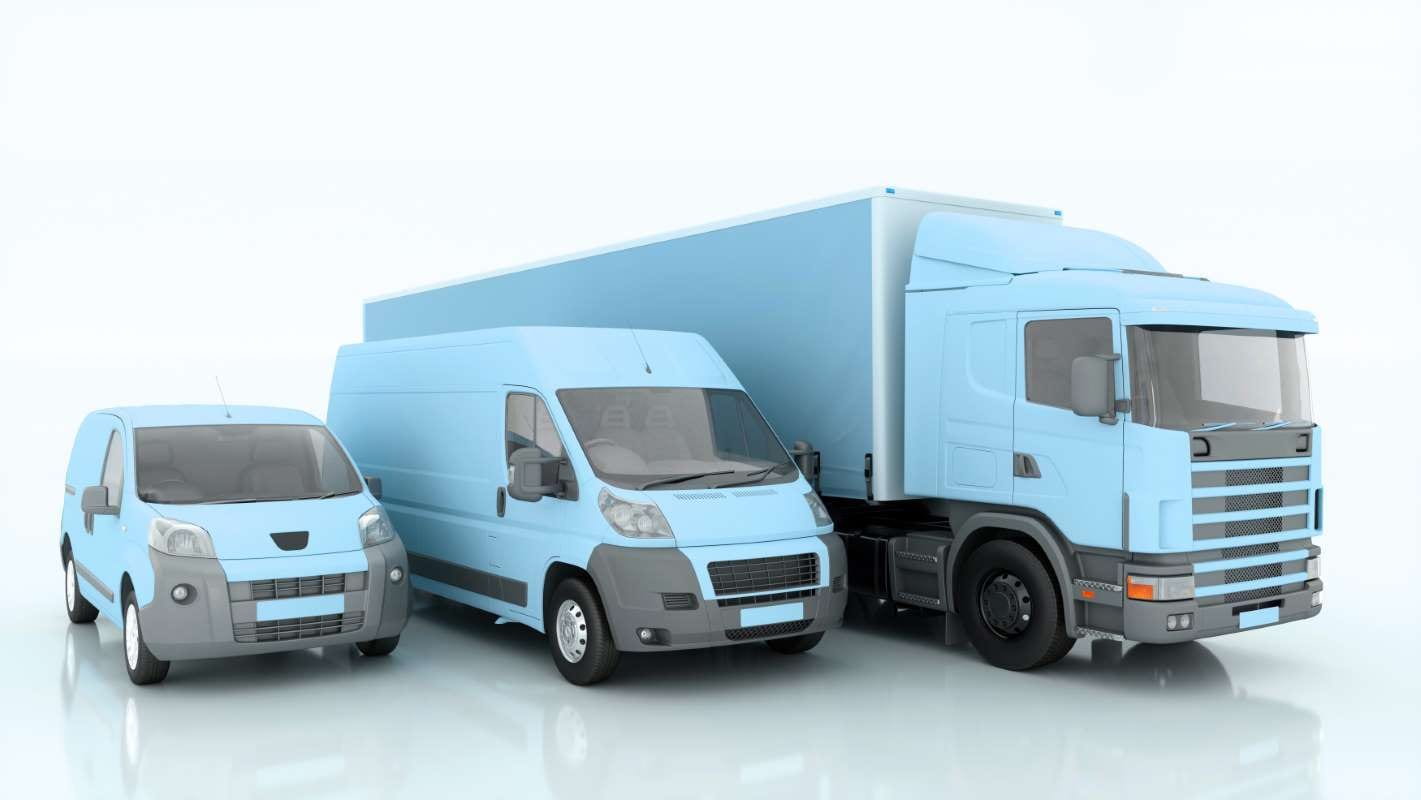
Cargo vans are the most popular choice among solo operators and small crews. They offer an enclosed, weather-protected cargo area, reasonable fuel economy, and a familiar driving profile. The interior is easy to outfit with custom shelving and wall-mounted chemical holders. The main drawbacks are a higher purchase price compared to pickups and limited towing capacity if you ever need to haul large equipment or a spare pump on a trailer.
Pickup trucks strike a balance between towing ability and everyday usability. A mid-size pickup like a Tacoma or Frontier handles pool equipment comfortably and can tow a small trailer when needed. The exposed bed is the main vulnerability — pool chemicals and electronics do not mix well with rain, so most operators add a bed cover or toolbox. Full-size trucks offer more towing capacity but burn more fuel, which adds up quickly across a route with 30 or 40 stops per week.
Box trucks make sense for large operations running multiple accounts per day or carrying a significant chemical inventory. The enclosed, walk-in cargo area allows an almost unlimited organization scheme, and the high roof accommodates longer pole equipment with ease. The trade-offs are lower fuel efficiency, a higher initial cost, and difficulty parking on residential streets with tight cul-de-sacs.
Trailers are best treated as an extension of a vehicle you already own rather than a primary solution. A small open trailer attached to a pickup gives you extra space for a new pool routes for sale acquisition without the capital outlay of a second vehicle. Keep in mind that trailers add maneuvering complexity and require their own maintenance schedule, including wheel bearing inspections and brake checks if the trailer is over a certain weight.
Key Features to Prioritize
Regardless of vehicle type, certain features consistently separate productive service vehicles from problematic ones.
Organized storage is the single biggest time-saver. Every minute you spend searching for a brush head or the right chemical is a minute you are not servicing the next pool. Install fixed shelving, labeled bins, and a dedicated chemical cabinet that keeps acids and oxidizers separated for safety.
Fuel efficiency matters more than most new operators expect. At an average of 30 to 50 miles per day across a condensed route, a vehicle that gets 18 mpg versus 24 mpg costs several thousand dollars more per year at current fuel prices. When you are evaluating pool routes for sale and projecting profitability, run the fuel math for the specific vehicle you plan to use.
Reliability history should carry heavy weight in your purchase decision. A used vehicle with 80,000 miles and full service records is often a better buy than an attractive-looking vehicle with an unknown maintenance history. Pool service operates on tight daily schedules — a breakdown does not just cost a tow bill, it means missed appointments and potential client churn.
Branding capability is easy to overlook but valuable. Magnetic door signs are an inexpensive starting point. Vinyl wraps or professional lettering cost more upfront but create a consistent, polished look that doubles as mobile advertising through every neighborhood on your route.
Maintenance Habits That Protect Your Investment
A service vehicle that runs trouble-free for five or more years does not happen by accident. Build a maintenance calendar that covers oil and filter changes at manufacturer intervals, tire rotations every 5,000 to 6,000 miles, brake pad inspections twice per year, and a full fluid check at each oil change. Check the bed or cargo area weekly for chemical spills — pool acid is corrosive and will eat through metal flooring if left unaddressed.
Keep a log of every repair and service visit. This protects you when selling the vehicle and helps you spot recurring patterns before they become expensive problems.
Matching Your Vehicle to Route Size
A solo operator running 20 accounts per week has different needs than an owner managing 60 or 80 accounts with a part-time helper. Start with the smallest vehicle that genuinely fits your current load and gives you moderate room to grow. Upgrading after 12 to 18 months of operation, once you know your exact route geography and average stop time, is often smarter than over-investing in a large truck on day one.
Consider the density of your route as well. A tightly packed suburban route with stops every few blocks favors a nimble cargo van. A spread-out rural route with long highway stretches between stops might benefit from a fuel-efficient pickup or a diesel van that performs better over open miles.
Final Considerations Before You Buy
Set a realistic budget that includes not just the vehicle purchase price but also insurance, any custom outfitting, and a reserve for the first year of repairs. Commercial auto insurance for a service vehicle typically costs more than a personal policy, so get quotes before finalizing your budget. Factor in whether you will finance or purchase outright and how each option affects your monthly cash flow during the early months of building your client base.
Your vehicle is a depreciating asset, but managed well it earns back its cost many times over through the revenue it enables. Treat the purchase decision with the same discipline you would apply to any major business investment, and it will serve your operation reliably for years.