📌 Key Takeaway: Buckeye, Arizona's explosive population growth and year-round pool season make it one of the strongest markets in the Southwest for pool service professionals looking to scale their operations quickly.
Why Buckeye Is Attracting Pool Service Professionals
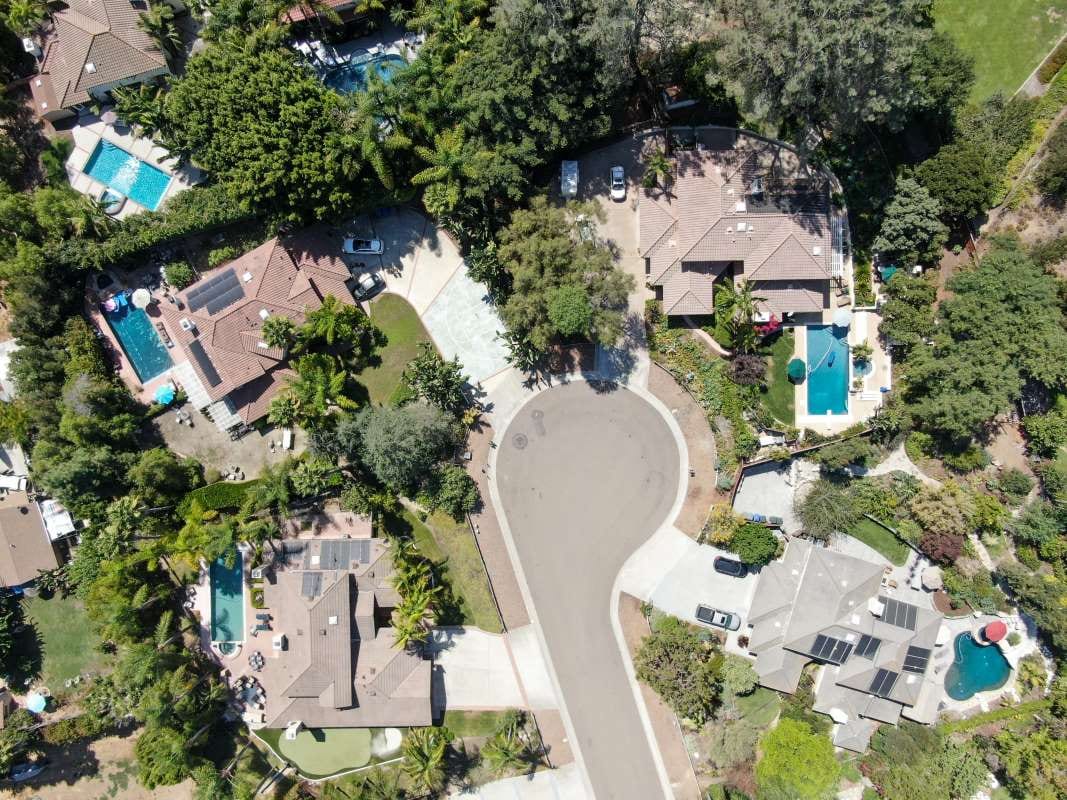
Buckeye is no longer a quiet farming town on the western edge of the Phoenix metro. It has consistently ranked among the fastest-growing cities in the United States, adding tens of thousands of new residents every year. With that growth comes an enormous wave of new single-family homes, and nearly every one of them has a pool.
For pool service business owners, that math is straightforward: more pools equals more potential accounts. The city's hot, dry climate means pools are in active use from March through November and require maintenance even in the cooler months. There is virtually no off-season, which translates to consistent, predictable revenue rather than the seasonal swings that plague service businesses in other parts of the country.
Contractors and solo operators who have been working in the Phoenix core are looking west toward Buckeye specifically because neighborhoods there are still being built. Getting in early in a developing area allows a service provider to lock in a dense route before competition becomes saturated. Route density — the number of stops clustered within a small geographic area — is one of the biggest drivers of profitability in pool service, and Buckeye's layout gives operators a real shot at building tight, efficient routes.
What Growth Actually Looks Like on the Ground
Expansion in pool service does not mean simply picking up new accounts here and there. Serious growth in a market like Buckeye usually involves one of two paths: acquiring an existing customer list or purchasing an established route from an operator who is retiring or moving on.
Buying an existing route compresses years of organic growth into a single transaction. Instead of spending 12 to 18 months cold-calling and canvassing new subdivisions, a buyer steps in on day one with a full schedule and immediate cash flow. The existing customers already trust the service, they are already on billing cycles, and the route is already optimized for drive time.
This is why many ambitious operators are actively looking at pool routes for sale in the Buckeye area rather than building from scratch. The upfront cost is real, but the return on investment timeline is far shorter than most people expect. In a high-demand market with strong customer retention, the income from a well-run route can offset acquisition costs within the first year.
For operators who already run a profitable route elsewhere in the Valley, acquiring a second Buckeye-area route is a natural next step. Adding stops in a growing market allows them to diversify geographically while spreading fixed costs like insurance, equipment, and vehicle expenses across a larger revenue base.
Operational Considerations for Expanding into Buckeye
Running a growing pool service operation anywhere requires tight logistics, but Buckeye presents a few specific considerations worth planning around.
Drive time is the first one. Buckeye is spread out, and some of the newest residential developments are located well off the freeway. Route planning software matters here. Operators who map their stops carefully and cluster accounts by neighborhood rather than just by customer sign-up date will spend less time in the truck and more time at the pools.
Water chemistry in the western Valley can also behave differently than in closer-in suburbs due to variations in municipal water supply and evaporation rates during peak summer heat. Technicians new to the Buckeye market should calibrate their treatment protocols accordingly in the first few weeks rather than assuming that what worked in Scottsdale or Mesa will transfer exactly.
Workforce is the third factor. As routes grow, solo operators eventually need to bring on technicians. Buckeye's labor pool is expanding along with the population, but competition for reliable, trained pool techs remains real across the Valley. Operators who invest in structured onboarding and training — and who build routes that are sized to keep technicians busy without burning them out — tend to retain staff longer and see better service consistency as a result.
Pricing Strategy in a Developing Market
One advantage of entering a developing market early is that pricing expectations are still being established. Homeowners who just moved to Buckeye from out of state may not have strong opinions about what pool service should cost. They are often more focused on finding a reliable provider than on squeezing a few dollars off the monthly rate.
This dynamic gives thoughtful operators room to price for quality rather than racing to the bottom. A slightly higher monthly rate that comes with responsive communication, consistent scheduling, and clear chemical reporting will almost always outperform a bare-minimum competitor in customer retention. Retention is everything in a route-based business — losing even a small percentage of accounts each month erodes revenue faster than most operators initially expect.
Using Established Routes as a Foundation for Long-Term Growth
The most durable businesses in this space tend to follow a straightforward playbook: acquire a solid base of accounts, deliver excellent service, add accounts steadily in the surrounding area, and eventually scale to a point where the business can be managed or sold as a significant asset.
Buckeye is currently at an ideal stage for this strategy. The market is large enough to provide meaningful volume but not yet so saturated that new entrants are competing purely on price. Operators who move now — whether by building organically or by exploring pool routes for sale from owners looking to exit — have a window to establish themselves in a growing community before the competitive landscape tightens.
Long-term thinking also means staying visible in the community. Joining local business associations, building relationships with homebuilders and HOA property managers, and maintaining a professional online presence all contribute to the kind of reputation that generates referrals without paid advertising. In a fast-growing city like Buckeye, word travels quickly among neighbors who are all going through the same experience of settling into a new home.
The conditions that make Buckeye attractive today — population growth, new construction, year-round demand, and an underdeveloped service market — are not going to reverse anytime soon. Pool professionals who recognize this window and act on it are the ones who will be running the largest, most profitable operations in the area five years from now.