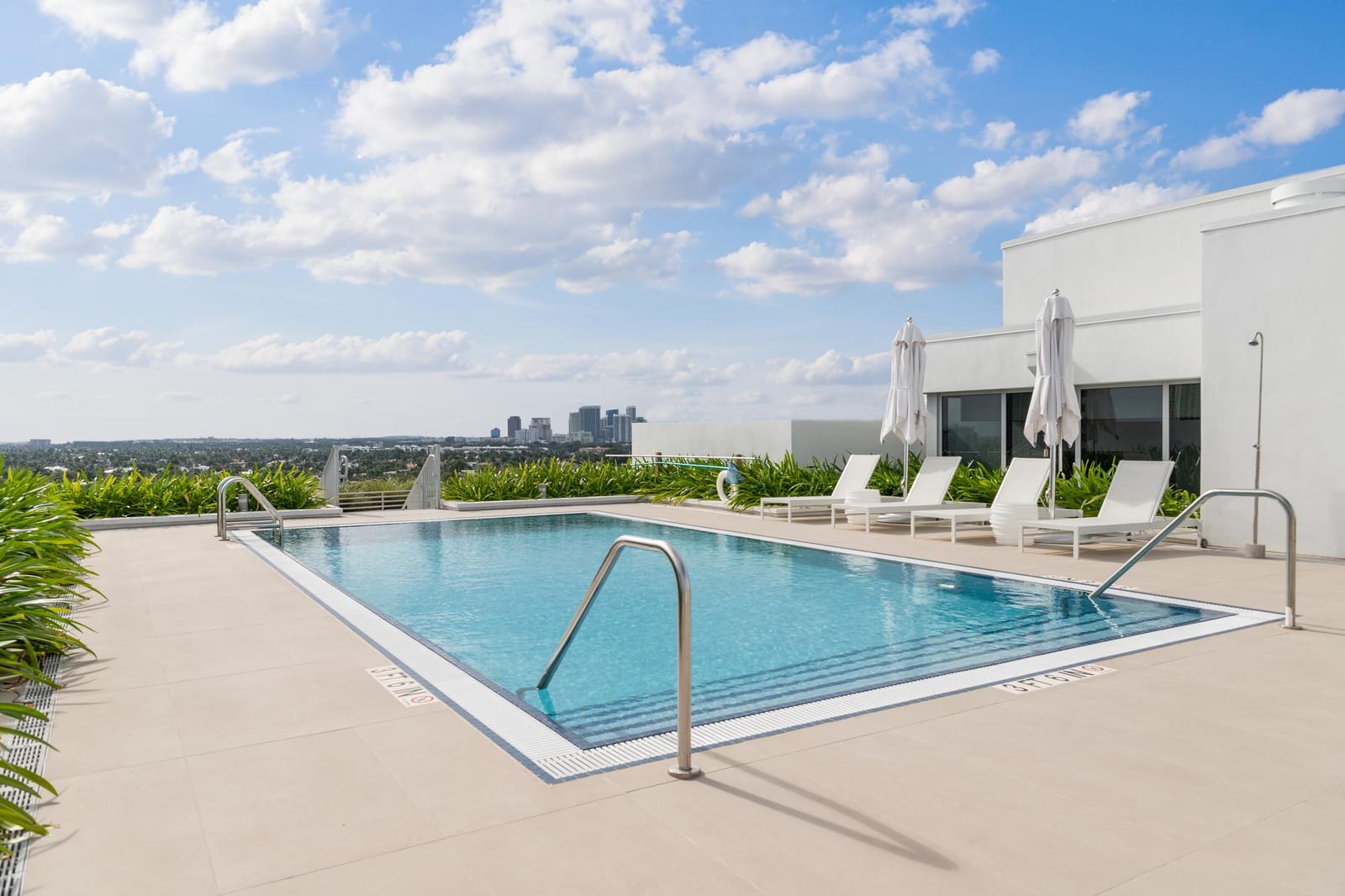
📌 Key Takeaway: Smart pool landscaping that incorporates native plants, shade trees, and permeable surfaces can dramatically reduce the heat island effect around your clients' pools while cutting maintenance demands and boosting property value.
Why the Heat Island Effect Matters for Pool Service Pros
Urban and suburban neighborhoods are measurably hotter than surrounding rural areas — sometimes by as much as 7 to 10 degrees Fahrenheit. Hard surfaces like concrete decking, asphalt driveways, and dark pool coping absorb solar energy throughout the day and release it at night, keeping temperatures elevated around the clock. The U.S. Environmental Protection Agency calls this the urban heat island effect, and it directly affects the pools you service.
When the landscape around a pool traps heat, a few things happen that make your job harder. Pool water temperatures spike faster, throwing off chemical balance and accelerating algae growth. Evaporation rates climb, requiring clients to top off water more frequently. And clients who find their backyard uncomfortably hot simply use the pool less, which can put service contracts at risk when they start questioning value.
Understanding heat island dynamics gives pool service professionals a genuine edge. When you can explain to a homeowner why their backyard is sweltering and offer landscaping recommendations that solve the problem, you become a trusted advisor rather than just a chemical technician.
How Strategic Planting Reduces Heat Around Pools
The most cost-effective intervention for heat reduction is vegetation. Trees and large shrubs intercept sunlight before it ever reaches the deck, and their leaves release moisture through transpiration, actively cooling the surrounding air. Research consistently shows that well-shaded outdoor areas can feel 10 to 20 degrees cooler than fully exposed surfaces just a few feet away.
When recommending plantings to clients, keep a few principles in mind.
Deciduous trees planted on the south and west sides of the pool area provide maximum summer shade while allowing full winter sun through once the leaves drop. This matters in warmer climates where solar heating of the water can extend the swim season at no extra cost. Species like live oak, crape myrtle, and Southern magnolia are popular choices across Florida, Texas, and Arizona — the core markets where pool service businesses thrive.
Native plants are the right choice for beds around pool equipment and fencing. They require far less irrigation than non-natives, reducing runoff that can wash chemicals into neighboring areas. They also support local pollinators, which clients increasingly value as environmental awareness grows. A landscaping recommendation that is both practical and ecologically sound is easy to sell.
Dense ground cover or low ornamental grasses along pathways replace bare soil or gravel that can heat up dramatically on summer afternoons. Mulching around plant beds adds an additional layer of insulation, keeps soil moisture stable, and visually finishes the space.
Hardscape Choices That Work With You, Not Against You
Not every surface around a pool can be planted, but smart hardscape choices make a real difference in ambient temperature. Permeable pavers allow rainwater to filter down through the surface rather than running off into drains or neighboring yards. This keeps the surface cooler because water evaporates from below, and it reduces the heat-absorbing mass compared to solid concrete.
Light-colored or reflective decking materials are another upgrade worth recommending. Pale travertine, light-toned concrete, and cool-deck coatings reflect rather than absorb solar radiation, keeping barefoot temperatures comfortable and reducing the overall heat load in the pool zone.
Pergolas, shade sails, and louvered patio covers provide immediate relief in areas where planting large trees is impractical. When combined with climbing vines on vertical supports, these structures can create a genuinely cool microclimate within months rather than the years it takes for trees to mature.
Pool service professionals who develop relationships with local landscapers and hardscape contractors can build referral networks that generate steady income from lead-sharing while delivering real value to shared clients.
Practical Steps for Advising Clients on Landscaping
You do not need to be a licensed landscape architect to offer useful guidance. Your credibility as someone who visits dozens of pools regularly gives you a perspective no one-time designer has. When a client complains about their hot backyard or asks why their pool needs so much chemical correction in summer, you are perfectly positioned to walk them through a few targeted changes.
Start by identifying the primary heat sources on each property. Is it a large expanse of west-facing concrete? A dark pool cover that absorbs heat? A lack of any shade on the south perimeter? Prioritizing the biggest contributors focuses the conversation and keeps recommendations affordable.
Suggest one change at a time rather than a full landscape renovation. A single large shade tree on the west side, planted this spring, will deliver measurable temperature relief within two or three seasons. That success builds trust and opens the door to more comprehensive improvements later.
If you are looking to grow your business by taking on properties that already have good landscaping and well-maintained systems, explore the pool routes for sale currently available in your region. Established routes come with existing client relationships, predictable revenue, and opportunities to add consulting services like landscaping guidance from day one.
Connecting Landscaping to Your Business Value
Heat island mitigation is not just an environmental talking point — it has direct implications for pool chemistry stability, equipment longevity, and client satisfaction. Pools surrounded by smart landscaping require fewer chemical interventions, experience fewer equipment-stress events from temperature extremes, and are simply more pleasant places to spend time.
Service professionals who understand these dynamics and communicate them clearly differentiate themselves in a competitive market. When clients see you as someone who thinks holistically about their outdoor space, not just someone who shows up to test water, retention improves and referrals follow.
If you are ready to build a client base where these conversations can happen, take a look at the pool routes for sale available in Florida, Texas, Nevada, Arizona, and California. Owning an established route gives you the platform to deliver this kind of value from the very first service visit.
Smart landscaping and smart business development go hand in hand. Helping clients create cooler, more sustainable pool environments is a practical skill that grows your reputation, reduces your workload, and keeps clients loyal through every season.