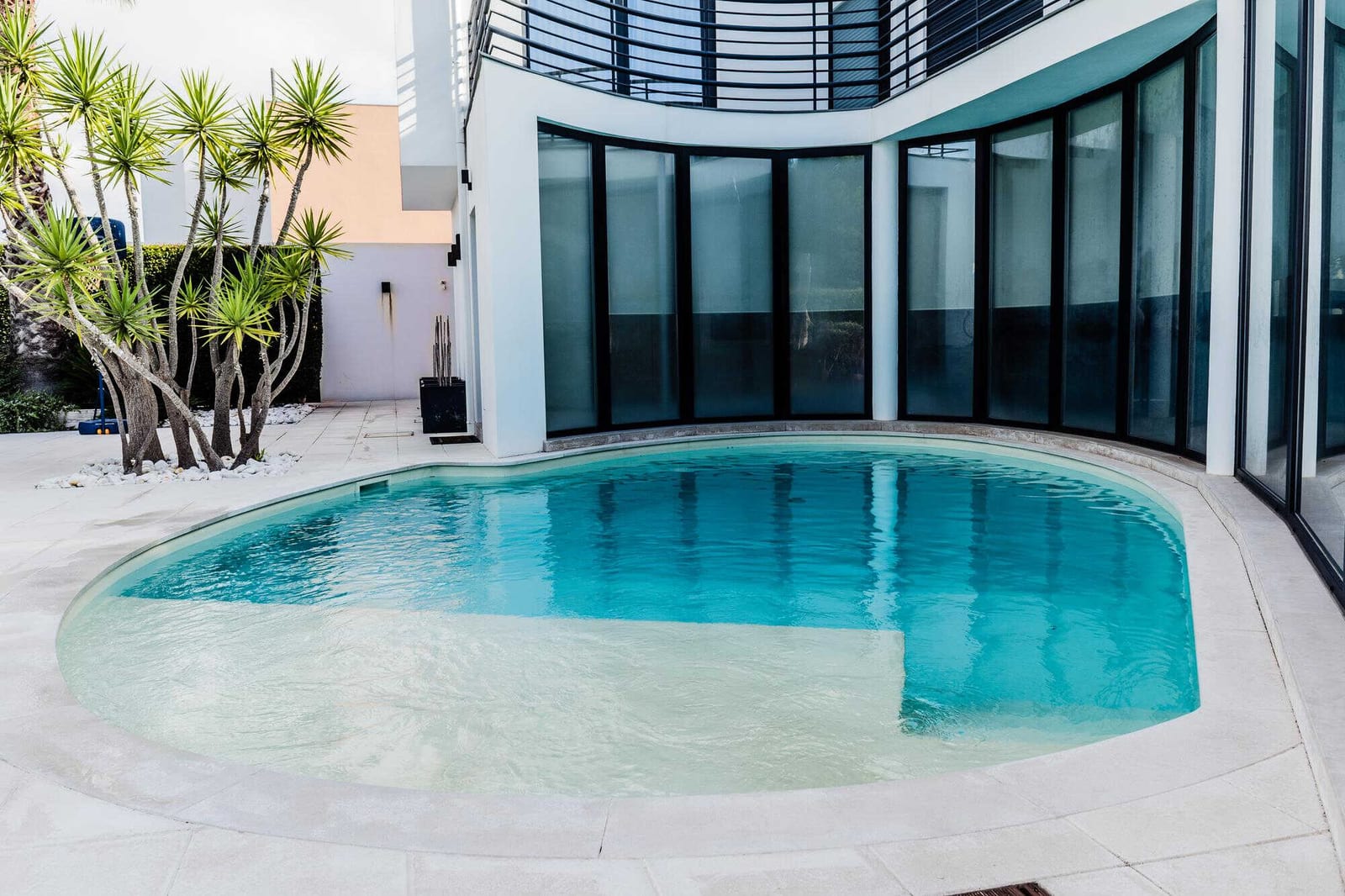
📌 Key Takeaway: Pool service operators in Santa Cruz County can protect and grow their profit margins by combining smart pricing, tight cost controls, and a loyal customer base built on consistent, high-quality service.
Why Profit Margins Deserve Constant Attention in Santa Cruz County
Santa Cruz County sits in a sweet spot for pool service businesses. The mild coastal climate means pools are used nearly year-round, which translates to steady demand and repeat revenue. But steady demand also attracts competition, and that competition puts downward pressure on pricing. At the same time, operational costs — fuel, chemicals, labor, insurance — keep climbing.
The operators who thrive over the long run are not simply the ones with the most accounts. They are the ones who understand exactly what it costs to service each pool, what they need to charge to earn a healthy margin, and where they are silently bleeding money. Getting those three things right is what separates a profitable route from one that just keeps you busy.
Know Your Numbers Before You Set Your Prices
Pricing without data is guessing. Before adjusting any service rates, calculate your true cost per stop. Add up monthly fixed costs — vehicle payments, insurance, software subscriptions, licensing — and divide by the number of billable stops in that month. Then factor in variable costs per visit: chemicals, drive time, and labor. That combined figure is your floor. Everything above it is margin.
In Santa Cruz County, chemical costs can be higher than inland markets because of supply chain distance and local retailer pricing. Factor that in explicitly rather than using statewide averages. Many operators also underestimate drive time between stops; optimizing route geography can shave 30 to 60 minutes off a day's work, which is real money recovered.
Once you know your cost per stop, build your pricing tiers — a basic maintenance package, a mid-tier option that includes minor repairs and algae treatments, and a premium package with priority scheduling and full equipment checks. Tiered pricing lets customers self-select and ensures you are not leaving money on the table with clients who are happy to pay for more.
Control Costs Without Cutting Corners
There are two broad ways to improve a margin: raise revenue or reduce costs. Most operators focus entirely on adding accounts when the faster win is often on the cost side.
Bulk purchasing of chemicals and supplies is the most straightforward lever. If you are buying chlorine, algaecide, or filter media in small quantities from a local retailer, you are paying retail. Joining a buying cooperative or negotiating a volume discount with a distributor can cut supply costs by 15 to 25 percent. That improvement flows directly to the bottom line on every account you service.
Equipment maintenance is another area where deferred spending creates expensive problems. A pump that runs inefficiently, a test kit that gives inaccurate readings, or a truck that needs unscheduled repairs all cost more in the long run than the routine upkeep that would have prevented them. Build a simple maintenance calendar and stick to it.
Lock In Revenue Through Customer Retention
The math on customer retention is compelling. Acquiring a new pool service customer typically costs several times more than retaining an existing one when you account for marketing, quoting time, and the first few visits needed to establish the account. Keeping your current customers satisfied is the most capital-efficient growth strategy available.
Retention starts with reliability. Show up on the scheduled day, complete the full service, and document what was done. A simple digital log sent to the customer after each visit — water chemistry readings, equipment status, any issues noted — builds trust and makes price increases far easier to justify when they are necessary.
A referral program formalizes the word-of-mouth that already drives most local service businesses. Offer a one-month discount or a free service visit for every new customer a current client refers. The cost is low, and the customers who come in through referrals tend to stay longer and complain less because they already trust you based on a friend's recommendation.
When it is time to review pricing, communicate the increase clearly and in advance. Explain what is driving the change — chemical costs, fuel, labor — and frame it around the continued quality of service. Customers who feel informed and respected accept increases far more readily than those who receive a surprise invoice.
Use Route Density to Multiply the Value of Every Hour
In a geographically varied county like Santa Cruz, route density has a direct impact on profitability. A technician who services eight pools in a tight two-mile radius earns more per hour than one who drives across the county to reach the same number of accounts. Every minute on the road is a minute not generating revenue.
As you add accounts, prioritize geographic clustering. When evaluating a new customer inquiry, factor in distance from existing stops before quoting. An account that requires a 25-minute detour is less profitable than the invoice suggests. Route planning software can help map current accounts and identify gaps where adding one or two customers would dramatically improve density.
This is also where acquiring an pool route can accelerate your growth. Instead of building density one account at a time, purchasing a block of existing accounts in a target area gives you immediate geographic concentration. If you are weighing that option, reviewing pool routes for sale is a practical starting point for understanding what is available in your region and what those accounts are worth.
Prepare for Seasonal Swings Without Losing Ground
Even in a mild climate like Santa Cruz County, service volume and customer behavior shift with the seasons. Summer brings higher chemical demand, more equipment stress, and occasional staffing pressure if a technician takes vacation. Fall is when some customers consider pausing service. Winter is when equipment failures tend to surface.
Planning for these patterns rather than reacting to them keeps margins stable. Stock up on chemicals before the summer demand spike drives prices up. Reach out proactively to customers who have historically paused service in the off-season with a retention offer before they cancel. Schedule equipment audits in late fall so winter repairs do not catch you off-guard in the busiest billing month.
Seasonal add-on services — equipment inspections, heater tune-ups, green pool remediation — create revenue during otherwise slow stretches and give you a reason to stay in front of customers year-round.
Build the Business That Sustains You
Maintaining profit margins in Santa Cruz County is not a one-time project. It is an ongoing discipline of reviewing costs, refining pricing, tightening routes, and keeping customers loyal. The operators who treat margin management as a core business function — not an afterthought — are the ones who build something durable and sellable.
If you are looking to grow faster than organic account acquisition allows, exploring pool routes for sale can provide an immediate path to the account density and revenue base that makes margin management significantly easier.