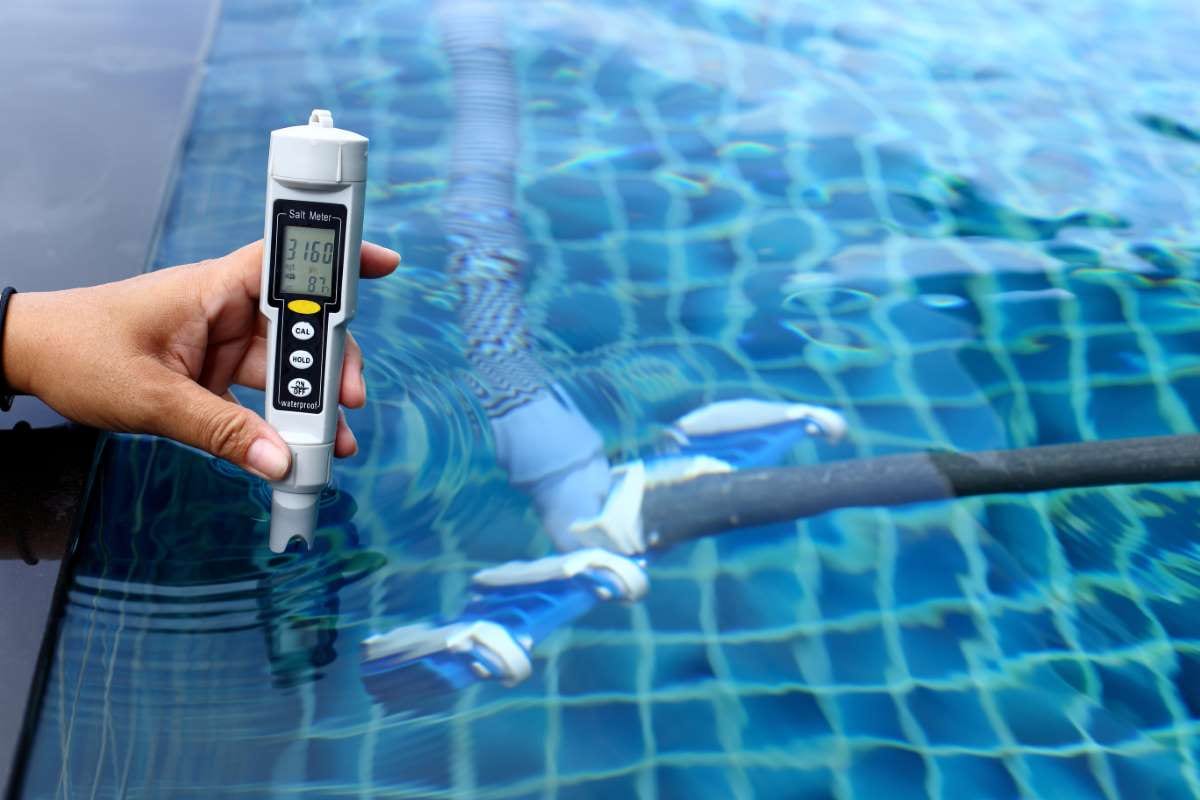
📌 Key Takeaway: Pool service business owners in Santa Cruz County can cut technician ramp-up time dramatically by using structured field shadowing, condensed chemistry training, and route-based accountability checkpoints from day one.
Why Training Speed Matters in Santa Cruz County Pool Service
Santa Cruz County presents a specific operational challenge for pool service business owners: a coastal climate with saltwater intrusion, heavy algae pressure during warm months, and a customer base that spans everything from Aptos residential neighborhoods to commercial pools at resorts near the boardwalk. When you hire a new technician, every week they spend fumbling through basics is a week your customer satisfaction scores are at risk.
The good news is that pool service lends itself well to compressed, structured training — if you design it intentionally. Unlike trades that require years of apprenticeship, a competent pool service technician can be fully independent on a route within four to six weeks when you follow a deliberate onboarding framework. Here is how to make that happen.
Build a Week-One Chemistry Foundation
The single biggest bottleneck in new tech training is water chemistry. Technicians who cannot confidently read and adjust free chlorine, pH, total alkalinity, and cyanuric acid levels will make costly mistakes — especially in Santa Cruz County's warm summer months when chlorine demand spikes and algae blooms are unforgiving.
Rather than handing a new hire a manual and hoping for the best, compress chemistry instruction into three to four focused sessions in the first week. Cover one parameter per session: what it does, what range it should be in, and what you adjust when it is off. Use real water samples pulled from active route stops — not textbook scenarios. Pair each session with a short written quiz so you know before they hit a solo stop whether the concept landed.
By day five, your new tech should be able to test a sample and call out the correct adjustment without prompting. If they cannot, you extend shadowing — not the training content. The content does not need to grow; the repetition does.
Use Shadowing as a Structured Checklist, Not a Ride-Along
Unstructured shadowing is where training time gets wasted. New hires follow experienced techs for a week, absorb some habits — good and bad — and then get pushed onto their own stops too soon. Instead, build a shadowing checklist that the trainee completes at each stop:
- Confirm gate code and pool access before starting service
- Record pre-service water chemistry readings
- Identify equipment status (pump running, heater light, any visible leaks)
- Execute cleaning sequence in correct order
- Add chemicals and log adjustments
- Note anything that needs a follow-up visit or customer communication
This checklist does two things. First, it forces the trainee to observe actively rather than passively. Second, it gives you a daily record of what they are seeing and retaining. By the end of a shadow week, you have data — not a gut feeling — about whether they are ready to run stops independently.
Introduce Route Accountability Early
One of the most underutilized training tools for pool service owners is customer feedback tied to the training timeline. Starting in week two, send a brief follow-up message to a handful of customers on stops the trainee serviced. Ask if the pool looked clean and if anything seemed off. You do not need to mention the tech is new — just position it as your standard quality check.
This does two things: it catches service quality issues before they compound into cancellations, and it creates a feedback loop you can use in your next training session. When a trainee hears that a customer noticed their pool looked green two days after a service visit, the lesson about algae treatment sticks far better than any written module.
Accountability also means setting clear milestones. By end of week two: independent stops with check-in calls after each. By end of week three: independent stops with end-of-day report only. By end of week four: full autonomy with weekly check-ins. If a technician is not hitting those milestones, you address it directly rather than letting the ramp-up drift indefinitely.
Leverage Your Route Geography for Training Efficiency
Santa Cruz County's pool service market has natural clustering that smart owners can exploit during training. Rather than sending a new tech across the county on their first solo week, assign them a tight geographic cluster — say, a block of stops in Capitola or a neighborhood in Santa Cruz proper. Tight routing means less drive time, more service time, and faster feedback loops when something goes wrong.
This also reduces the cognitive load on the trainee. They are not navigating unfamiliar roads across the county while also trying to remember the right chlorine dosage for a 15,000-gallon pool. Once they are competent and confident on a compact cluster, expand their route radius. If you are acquiring new accounts or expanding operations, pool routes for sale can give you pre-built geographic clusters that work particularly well for training scenarios — new accounts in a tight area where a trainee can build repetition without excessive driving.
Document Everything Your Best Techs Do Differently
Most pool service owners have one or two technicians who consistently get the best customer retention and the fewest callbacks. Those techs carry institutional knowledge that walks out the door if they ever leave — unless you document it.
Set aside one hour to have your best tech walk through their service sequence at a stop while you record a short video on your phone. What order do they check equipment? How do they notice a pump running rough before it fails? How do they communicate a repair need to a homeowner on the spot? These are not formal training videos — they are field captures that you can show new hires during their onboarding week.
Doing this across a few of your most experienced team members builds a training library that scales. As your business grows and you bring on more technicians — whether you have hired staff or are evaluating pool routes for sale as an expansion path — you have a replicable system rather than starting from scratch with every new hire.
Set Realistic Expectations and Cut the Unnecessary Complexity
New technicians in Santa Cruz County do not need to know everything on day one. They need to know enough to service a residential pool safely and correctly, communicate with customers professionally, and escalate equipment issues rather than guessing. That is a narrower skillset than most owners think, and it is learnable in four to six weeks with the right structure.
Resist the urge to front-load training with every edge case, equipment brand, and chemical formula you have encountered in fifteen years. Build competence on the core routine first. Add complexity as they handle more stops and encounter real situations that make the advanced knowledge relevant.
The pool service businesses that train technicians fastest are not the ones with the most elaborate training programs. They are the ones with the clearest structure, the tightest feedback loops, and the discipline to measure progress against specific milestones instead of hoping time on the job does the work for them.