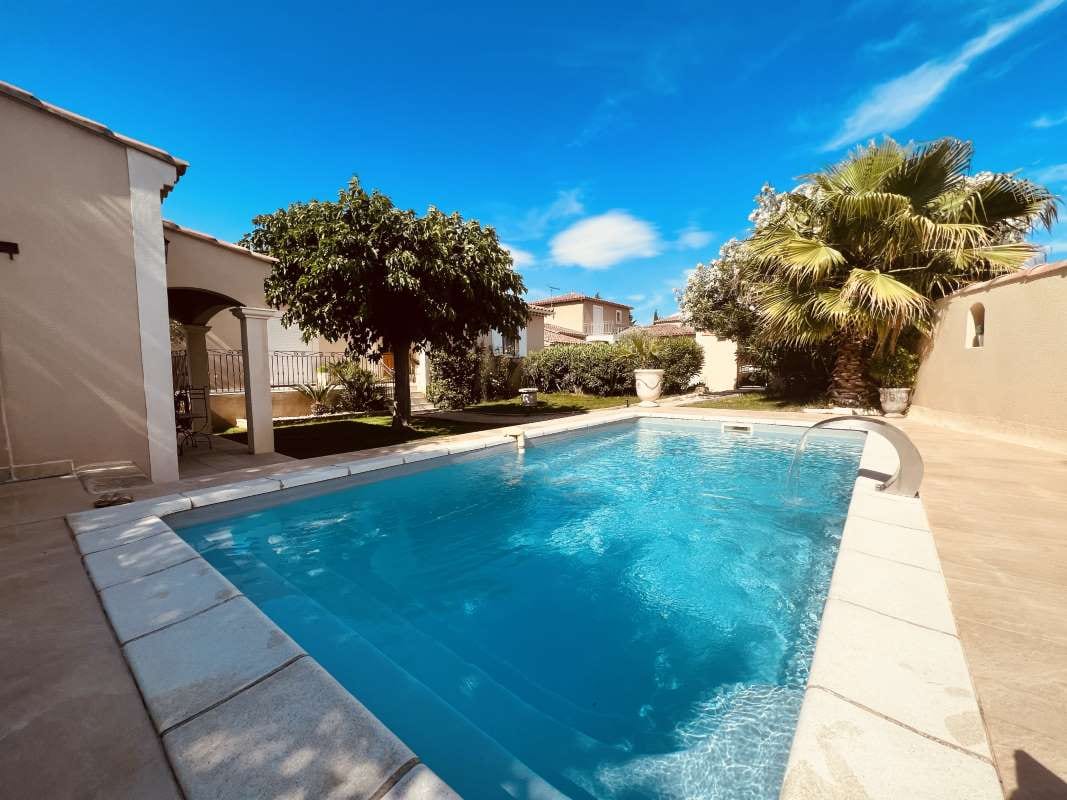
📌 Key Takeaway: Launching a pool cleaning business across Kissimmee, St. Augustine, Carrollwood, Altamonte Springs, and Ormond Beach is fastest when you acquire an established route, dial in route density, and price each stop at sustainable Florida market rates from week one.
Why These Five Florida Markets Reward New Pool Pros
Each of these cities sits in a different operating zone, which is exactly what makes the cluster attractive. Kissimmee gives you Osceola County's mix of year-round residents and short-term rental pools that need weekly attention. St. Augustine layers historic-district homes with newer subdivisions in St. Johns County, where average home values keep climbing and pool ownership tracks with that growth. Carrollwood, just northwest of Tampa, is a dense pocket of established homes where many owners have used the same service for years, which means a clean route purchase often outperforms door-knocking. Altamonte Springs offers Seminole County family neighborhoods with predictable Tuesday-through-Friday routing. Ormond Beach adds coastal homes where salt air, sand, and heavy summer rain mean chemistry demand is consistently high. Pick two adjacent markets to start, not all five, and your windshield time stays under control.
Decide Between Building From Scratch and Buying a Route
The slow path is flyers, Google Ads, Nextdoor posts, and free first cleans. Plan on six to twelve months to reach 40 stops that way, and expect roughly a third of early customers to churn before you stabilize. The faster path is purchasing an existing book of accounts with monthly billing already in place. A typical starter package in Florida is 20 to 60 stops grouped by ZIP code, priced as a multiple of monthly recurring revenue. You can browse current inventory and pricing on the Florida pool routes page and filter by metro to see what is available near Kissimmee, Carrollwood, or the I-4 corridor. The math usually favors buying: a 40-stop route at $100 average billing produces revenue from day one, while a built-from-scratch route is still in negative territory at month six once you account for marketing spend.
Licensing, Insurance, and the Florida-Specific Rules
Florida does not require a state contractor license for routine pool cleaning and chemical service, but if you plan to repair pumps, replace heaters, or do any work that alters the pool's structure or plumbing, you need a CPC (Certified Pool Contractor) or RP (Registered Pool Contractor) license through the DBPR. For day-one service work, register your LLC with Sunbiz, get an EIN, pull a local business tax receipt in each county you service (Osceola, St. Johns, Hillsborough, Seminole, Volusia), and carry at least $1M general liability with a pollution endorsement. A chlorine spill at a customer's pool deck without that endorsement is a claim your standard GL will deny. Add commercial auto on your truck the day you put a magnet on it.
Equipment That Earns Its Keep on Day One
Resist the urge to over-buy. A working starter kit is a telepole, two leaf rakes (one fine mesh, one heavy-duty), a vinyl-safe brush and a stainless brush, a manual vac head with a 35-foot hose, a Taylor K-2006 test kit, a digital salt tester, and a five-gallon bucket setup for liquid chlorine transport. Add a tablet feeder wrench and a pump basket o-ring kit. Your truck bed needs a chlorine-resistant carboy rack, a locking acid tote, and a tarp. Spend on the test kit, the carboy rack, and good brushes. Save on everything else until route revenue justifies upgrades. Most new owners over-spend on robotic cleaners before they have the stops to need them.
Pricing That Holds Up Through a Florida Summer
The Florida market clears around $140 to $185 per month for residential weekly full service in 2026, with Carrollwood and St. Augustine trending toward the higher end and parts of Kissimmee running a bit lower because of short-term rental volume discounts. Quote chemicals included, not separate, because customers compare bottom-line numbers. Build a $35 to $50 per pool monthly chemical cost into your gross margin assumption. If a pool needs phosphate remover, stain treatment, or a filter clean, those are billable extras at $75 to $250 depending on scope. Do not start customers below $130 weekly full service even if a competitor quoted $110. That competitor is running below cost and will quit within a year, and you will be the one explaining a price increase to their former clients.
Route Density and the 25-Minute Rule
Profitability collapses when stops are spread thin. The target is 18 to 22 minutes per pool plus 5 to 8 minutes of drive time, which means you want your stops clustered so neighbors are often two or three doors apart. When you evaluate a route for purchase, pull every address into a map view and look for tight pin clusters. A 40-stop route inside a five-mile radius is worth substantially more than a 50-stop route stretched across 30 miles. Use the Florida route inventory to compare density before you commit. In Carrollwood specifically, density tends to be excellent because the neighborhoods were platted with consistent lot sizes. In Ormond Beach and parts of St. Augustine, watch for coastal stops that look close on a map but require crossing a bridge that adds 15 minutes each direction.
Customer Communication That Reduces Churn
The number one reason Florida pool customers fire their tech is silence. Leave a service tag, text a photo of the chemistry reading, and respond to messages the same day. Send a short email at the start of hurricane season explaining what you will do before and after a named storm, and another in November about cooler-weather chlorine demand. Customers who get one update per service rarely shop your price, even when a cheaper competitor knocks on their door. Set a calendar reminder to call every account in January for a fifteen-minute check-in. That single habit will keep your churn under 8 percent annually, which is the difference between a route that compounds and a route that leaks.
Your First 90 Days
Week one through four: close on your route, ride along with the seller for at least two full service weeks, update billing under your name, and introduce yourself in writing to every customer. Week five through eight: tighten your route order, identify the three stops that are draining time, and either re-quote them or drop them. Week nine through twelve: start asking happy customers for one referral each. By day 90 you should have a clean billing system, a tight route map, and three to six referrals in your pipeline. That is the foundation a multi-county Florida operation is built on.