📌 Key Takeaway: Launching a pool cleaning business across Texas markets like Katy, Houston, McKinney, San Angelo, and San Antonio works best when you start with a route of paying accounts, dial in chemistry and routing fundamentals, and price for recurring monthly margin from week one.
Why Texas Is a Strong Starting Point for Pool Service
Texas has one of the densest concentrations of residential pools in the country, and the warm-season swim window stretches roughly March through October across most of the markets in this article. That means stops can be billed year-round on a flat monthly rate (typically $140 to $185 in suburban DFW and Houston metro, slightly less in San Angelo) without the customer-loss spike northern operators face in winter. The flip side is that Texas heat accelerates chlorine demand, raises cyanuric acid pressure, and turns a missed week into a green pool fast, so your service standard has to be reliable from day one.
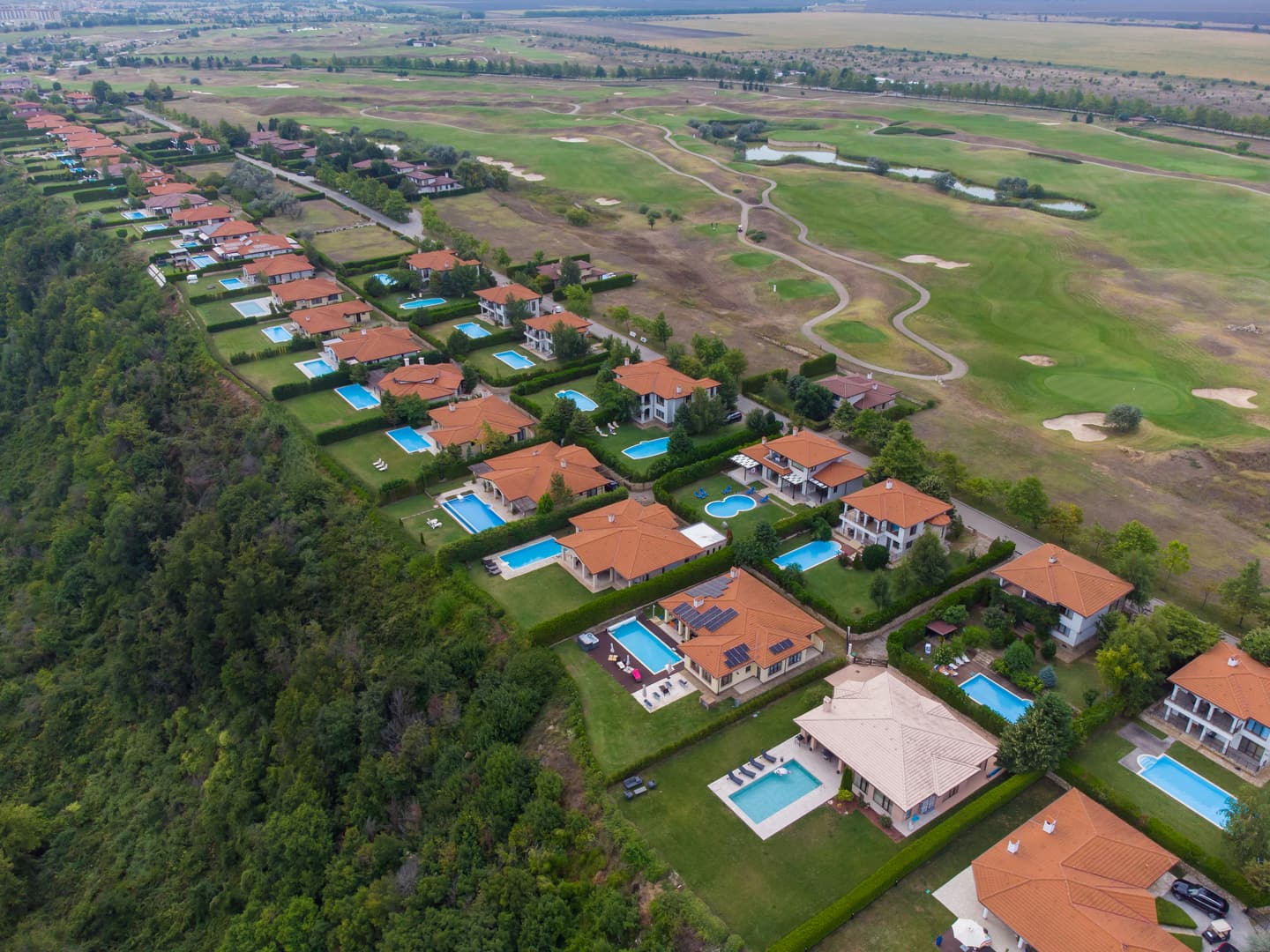
Before you spend a dollar on equipment, decide which submarket you actually want to serve. Katy and Fort Bend County tend to have newer, larger backyard pools with attached spas and salt systems. Harris County and inner-loop Houston have a mix of older plaster pools and high-end remodels. McKinney is full of newer Collin County subdivisions with builder-grade equipment. San Angelo is a lower-density, drive-heavy market with less competition, and San Antonio runs the full range from 1970s diving pools in Alamo Heights to new construction in Stone Oak.
Buying a Route vs. Building From Zero
The slowest path to a sustainable pool business is door-knocking for your first 40 accounts. Each stop you sign takes weeks to season, your routing is inefficient until you have density, and you burn most of your first year covering trucks, insurance, and chemicals on thin revenue. Buying an existing route compresses that ramp dramatically: you take over a block of accounts that are already paying a known monthly rate, with a route sheet you can drive on day one.
If you are weighing this trade-off, the inventory at Superior Pool Routes for sale in Texas gives you a sense of typical account counts, billing levels, and geographic density across the same cities discussed here. Starting with 40 to 60 accounts in a tight zip-code cluster usually produces enough monthly revenue to cover a basic operating package (truck payment, fuel, chemicals, liability insurance, phone, software) while leaving room to add organic accounts on top.
Licensing, Insurance, and Legal Setup
Texas does not require a state-level pool service license for routine cleaning and chemical service. You will, however, need: a registered business entity (LLC is the most common choice), an EIN, a sales-and-use tax permit from the Texas Comptroller (chemical resale and certain repair labor are taxable), and general liability insurance with a minimum of $1M per occurrence. Most account holders, especially HOAs and property managers, will ask for a certificate of insurance before you start service. If you plan to do equipment repair or replacement involving electrical or gas connections beyond like-for-like swaps, you will need a licensed contractor or sub for that work. Add a commercial auto policy as soon as the truck is dedicated to the business; a personal policy will deny a claim the moment they see branded signage.
Equipment, Chemicals, and Truck Setup
A starter truck build is more modest than new operators expect. You need a covered bed or enclosed trailer, a 30 to 55 gallon acid-rated tank for liquid chlorine, a separate locking chemical compartment, and a basic tool wall. Daily-carry items include a telepole, leaf rake and skim net, brush, vac head and hose, a Taylor K-2006 test kit (drop tests, not strips), and a digital salt meter for chlorine-generator pools. Budget roughly $4,500 to $7,000 to outfit one truck properly if you already own the vehicle.
Chemical sourcing matters more than most new owners realize. Buying liquid chlorine, muriatic acid, cyanuric acid, and calcium from a local wholesale chemical supplier rather than retail box stores will cut your chemical cost per stop by 40 to 60 percent, which is the difference between a healthy gross margin and a flat one.
Routing, Pricing, and Account Density
The single biggest determinant of profitability in residential pool service is route density: how many stops you can complete per hour of drive time. A well-clustered route in Katy or McKinney can hit 18 to 22 stops per day per tech. The same number of accounts spread across three counties might only run 10 to 12 stops a day, and the difference shows up directly in your take-home.
Price every account on a flat monthly rate that includes weekly visit, full chemistry, brushing, skimming, basket cleanup, and filter backwash as needed. Quarterly filter cleans and equipment repairs should be billed separately. If you take over an existing book of business through a route purchase, the billing rates are already set and seasoned, which removes the awkward price-discovery phase. You can review available account clusters and pricing benchmarks at Superior Pool Routes to calibrate what realistic monthly revenue looks like in each of these cities.
Common Mistakes That Sink New Operators
Three patterns kill more first-year pool businesses than anything else. First, under-pricing to win volume, then discovering the route does not cover chemicals and fuel by month four. Second, skipping chemistry testing on every stop because it feels slow, which produces green pools, refunds, and lost accounts in July. Third, spreading too thin geographically, chasing every lead instead of holding to a tight service zone. Stay disciplined on price, test every pool every week, and turn down accounts that fall outside your route radius until density justifies expansion.
Starting in Texas gives you a long season, a deep customer pool, and well-developed wholesale supply. Pair that with a seasoned route, sound chemistry, and tight geography, and a one-truck operation can produce a real owner income within the first twelve months across any of these markets.