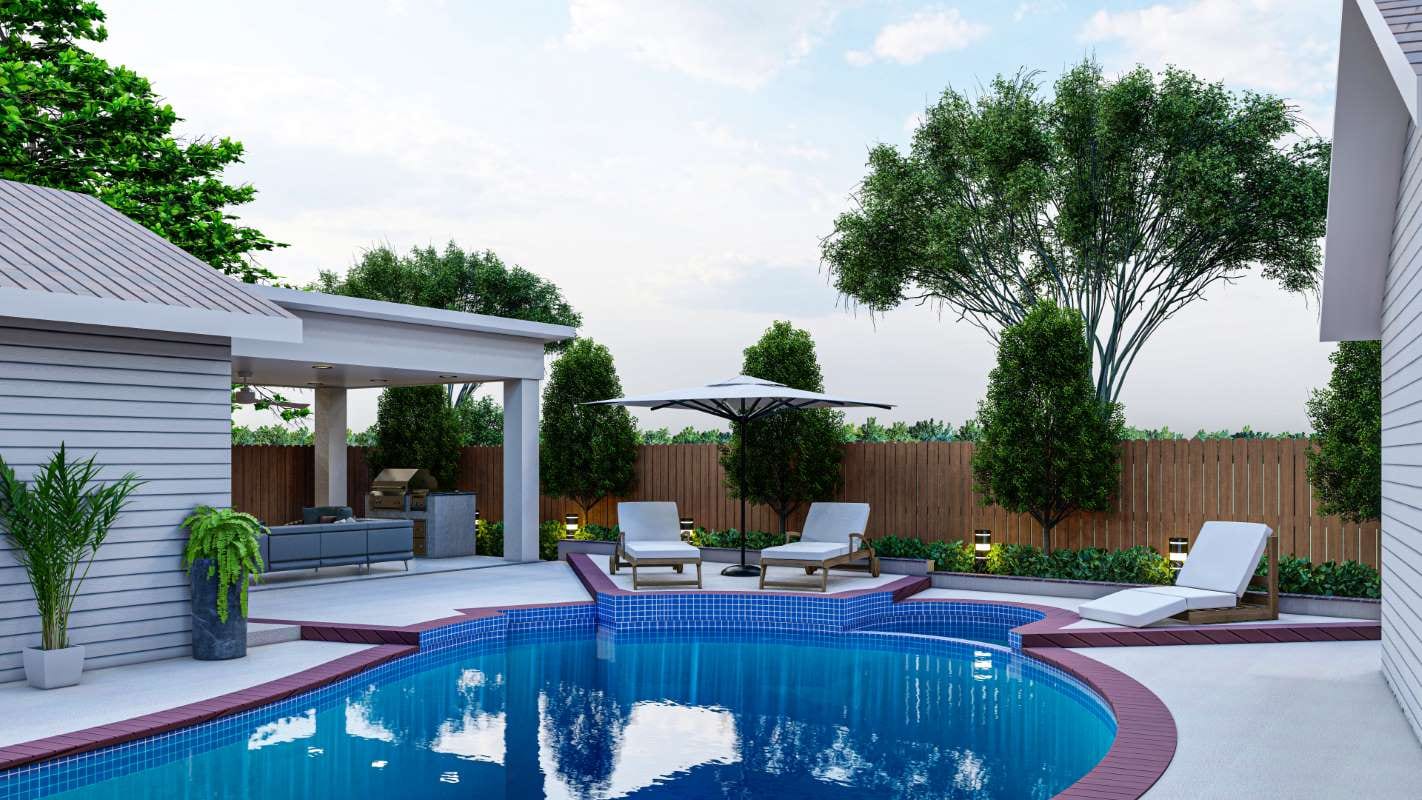
📌 Key Takeaway: Building a profitable pool route across diverse California markets like Pleasanton, San Diego, Redding, Pasadena, and Rialto requires matching service density, pricing, and chemistry programs to each city's climate, pool population, and competitive landscape.
Why California's Climate Map Drives Route Strategy
California is not one pool market; it's five or six microclimates stacked into a single state, and a pool route that ignores that reality leaves money on the table. Pleasanton sits in the East Bay with mild summers and frequent algae blooms tied to oak pollen. San Diego runs a near year-round season with heavy salt-chlorinator usage. Redding bakes through 100-plus-degree Julys that burn off chlorine in days. Pasadena deals with smog fallout and heavy decomposing leaf litter, and Rialto handles inland heat plus hard water that scales heater elements.
Before you buy a single stop, map the climate zone for each ZIP code you plan to service. That map dictates chemistry costs, visit frequency, equipment failure rates, and how much you can charge. A $165 monthly bill that works in San Diego will not cover your chemistry budget in Redding during peak summer.
Choosing a Target Density Per City
Route profitability is a density game. The goal is 8 to 12 stops per technician per day, clustered within a 10-minute drive between accounts. In dense neighborhoods like Pleasanton's Ruby Hill or Pasadena's San Rafael Hills, that density is achievable inside a single ZIP. In Redding or Rialto, where lot sizes stretch and pools are spaced farther apart, you may need to combine two adjacent ZIPs to hit the same count.
When evaluating territories on our pool routes for sale listings, look at the stops-per-mile ratio rather than just total account count. A route of 60 stops spread across 40 miles will burn fuel and labor faster than a tighter 45-stop route inside a 15-mile radius.
Pricing Tiers That Match Each Market
Pricing should reflect local income, pool complexity, and competition. In Pleasanton and parts of San Diego, monthly service for a standard residential pool ranges from $175 to $235. Pasadena commands similar rates, especially in older neighborhoods where pools are larger and feature attached spas. Redding and Rialto typically run $135 to $175 because inland markets carry more price sensitivity and slightly lower pool counts per square mile.
Build a tiered menu: a base chemical-only visit, a full-service weekly visit, and a premium package that includes filter cleans, salt-cell inspections, and equipment monitoring. Premium packages often add 25 to 35 percent in margin without adding significant labor time.
Chemistry Programs by Region
Standardize your chemistry kit by climate zone. For Pleasanton and Pasadena, stock cyanuric acid stabilizer, liquid chlorine, and algaecide rotation for spring pollen season. San Diego routes lean on salt-cell maintenance kits, muriatic acid for pH drift, and weekly phosphate testing because of irrigation runoff. Redding requires higher tab and liquid chlorine reserves through summer, plus shock treatments on a tight cadence. Rialto routes need calcium hardness reducers and stain treatments to handle hard-water buildup on heater elements and tile lines.
Buying chemicals in regional bulk and pre-staging by truck reduces per-stop chemical cost by 15 to 20 percent compared to retail purchasing.
Equipment, Vehicle, and Tooling Setup
Each technician needs a reliable truck or van with a covered bed, a 60-gallon chemical containment system, telescoping poles, leaf rakes, brushes, vacuum heads, and a digital water tester. Budget $8,000 to $12,000 to outfit one technician fully if starting fresh. For multi-city routes spanning Pleasanton to Redding, factor in higher fuel costs and consider a dedicated truck per region rather than long deadhead drives between markets.
Salt-chlorinator pools dominate coastal San Diego, so carry replacement salt cells, flow switches, and amperage clamps. Inland markets like Rialto see more traditional chlorine pools but higher heater repair volume, which opens an upsell path for service add-ons.
Customer Acquisition Strategies That Work
Door-hangers in dense pool neighborhoods still convert at 1 to 3 percent in Pleasanton and Pasadena. In San Diego, Google Local Service Ads and Nextdoor are the strongest channels. Redding and Rialto respond well to Facebook neighborhood groups and referral incentives from existing customers. Offer a $50 service credit for any referral that signs a six-month agreement.
Buying an established route remains the fastest way to reach profitability. Review available territories on our pool routes for sale directory and prioritize listings that include signed service agreements and at least 18 months of payment history.
Operations: Scheduling and Software
A pool route without route-optimization software loses 30 to 45 minutes per technician per day. Tools like Skimmer, Pool Service Software, or HCP let you cluster stops, automate billing, and capture before-and-after photos for each visit. Photo documentation has become the single most effective complaint-prevention tool, especially in higher-income markets like Pleasanton where customers expect proof of service.
Set service days by ZIP cluster. Monday and Tuesday for Pleasanton and East Bay, Wednesday for Pasadena, Thursday for Rialto and inland, and Friday for San Diego coastal. A multi-city operator should consider regional sub-managers once total stops exceed 250.
Building Recurring Revenue and Resale Value
Every route you build should be structured for eventual resale. Routes with month-to-month customers, paper records, and no service agreements sell at roughly 8 to 10 times monthly billing. Routes with signed agreements, digital records, photo logs, and stable 24-month retention can sell for 12 to 14 times monthly billing. The difference on a $20,000 monthly route is more than $80,000 at exit.
Document everything: customer contact info, equipment models, gate codes, dog warnings, chemistry baselines, and service history. The cleaner your operational records, the higher the multiple a buyer will pay.
Final Build Sequence
Start with one city, hit 50 to 75 stops, stabilize chemistry and scheduling, then expand to the next market. Trying to launch in all five cities simultaneously stretches capital and dilutes service quality. Focus, density, and documentation are what separate a $200,000 startup route from a $2 million multi-city operation.