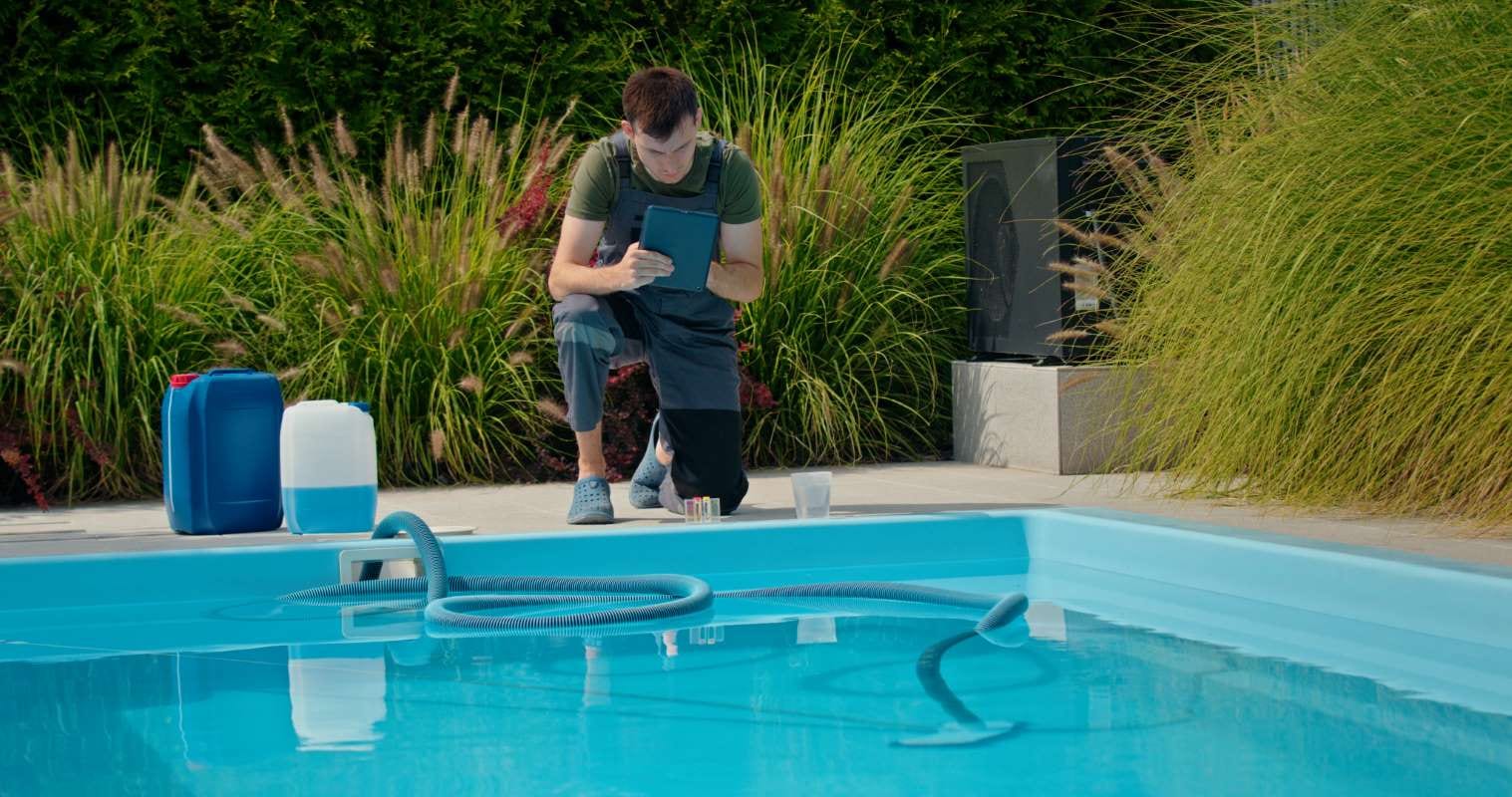
📌 Key Takeaway: Selling 20,000+ accounts comes down to a transparent pricing formula, fast fulfillment, hands-on training, and a replacement guarantee that removes the biggest fears new pool service owners have about buying a route.
Why 20,000 Accounts Matters for Buyers
Crossing the 20,000-account threshold is more than a marketing milestone. For a pool service buyer, it signals that the seller has built repeatable systems for sourcing customers, vetting them, transferring them, and replacing the ones that churn. When you buy from a company that has done this thousands of times, you avoid the common failure modes of a one-off route purchase: missing pool equipment notes, mismatched billing cycles, customers who never agreed to the transfer, and zero recourse when something goes wrong. Volume creates accountability, and accountability is what turns a route purchase into a real business launch.
The Pricing Formula That Drives Volume
Most route brokers price routes informally, which makes comparison impossible and breeds distrust. A clear multiple-of-monthly-billing formula changes that dynamic. The structure works like this:
- 40 or more accounts: 6x the monthly billing
- 30 to 39 accounts: 6.5x the monthly billing
- 20 to 29 accounts: 7x the monthly billing
That is roughly half of the 12x to 14x multiples that have historically been quoted in private route sales. For a buyer, the math becomes simple: a 40-account route averaging $100 per stop is $24,000, and the payback window is measured in months, not years. For the seller, the lower multiple is offset by volume, repeat referrals, and the ability to keep a steady pipeline of pool routes for sale moving across multiple states.
Customization Beats One-Size-Fits-All
Generic route packages fail because every operator has a different capacity, vehicle setup, and geographic preference. Allowing buyers to choose between 20 and 200 accounts and pin their route to a specific city or ZIP code solves that problem. A part-time operator who wants to keep a day job can start with 20 accounts in a tight three-ZIP radius. A buyer with two trucks and a helper can launch with 80 accounts spread across two adjacent suburbs. The route gets built around the operator's life, not the other way around.
This matters operationally because windshield time is the silent profit killer in pool service. A route that looks great on paper but spans 40 miles will burn fuel, eat hours, and shrink the effective hourly rate to something close to minimum wage. Tight geographic clustering is what separates a profitable route from a treadmill.
Speed of Onboarding
Cash flow is the number one stressor for new route owners. A 60-day fulfillment window with first accounts arriving within roughly ten days of signing means a buyer can begin servicing pools and invoicing customers before the deposit even clears mentally. The practical sequence usually looks like this:
- Day 0: Purchase order signed via DocuSign, $500 deposit placed.
- Day 1 to 7: Pool-School training begins, route territory locked.
- Day 8 to 14: First batch of accounts delivered with customer details and equipment notes.
- Day 15 to 60: Remaining accounts staged in batches as the operator builds capacity.
Staging accounts in waves rather than dumping the full route on day one is intentional. It lets a new operator learn each pool, build customer rapport, and refine routing software before being overwhelmed.
Pool-School and Field Training
Selling routes without training is how new operators fail. A buyer who has never balanced a saltwater pool, diagnosed a tripped GFCI on a variable-speed pump, or recognized phosphate-driven algae will lose accounts fast. Comprehensive training that covers pool system functions, water chemistry, filter cleaning, and equipment troubleshooting closes that gap.
The hybrid model works well: video lessons with quizzes for foundational knowledge, in-field training in Fort Lauderdale, FL and Dallas, TX for hands-on practice, and virtual sessions for buyers who cannot travel. New owners should plan for at least two weeks of dedicated study before their first service day, even if they have residential maintenance experience from another trade.
The Replacement Guarantee Removes the Risk
Account churn is inevitable. Customers move, sell their homes, install above-ground pools they want to maintain themselves, or simply decide to switch providers. A 60-day replacement guarantee for accounts lost outside the operator's control is what makes the route a real asset rather than a gamble. Two operational habits matter here:
- Document every cancellation with the date, reason, and customer-provided notes within 48 hours.
- Request strategy sessions early if you cross unusual churn thresholds, because the data often reveals a fixable cause such as pricing, scheduling, or communication style.
Operators who treat the replacement process as a partnership recover faster than those who view it as a complaint mechanism.
Geographic Spread and Market Differences
Operating across Florida, Texas, Nevada, Arizona, and California creates a portfolio of market dynamics that single-state brokers cannot match. Florida routes average around $100 per pool monthly with year-round service. Texas routes average closer to $150, with seasonal variation in the panhandle. Arizona favors larger residential pools with heavy chemistry demands due to evaporation, while California's coastal climate creates lighter chemistry needs but tougher pricing pressure. Browsing current pool routes for sale across these states helps a buyer benchmark realistic monthly billing for their target market before committing.
What Buyers Should Do Before Signing
Volume credibility is a starting point, not a substitute for personal due diligence. Before signing a purchase order, confirm three things. First, drive the proposed territory and confirm the ZIP cluster is genuinely tight. Second, verify your insurance, business registration, and chemical handling certifications are ready for day one. Third, set up route management software and a billing platform before the first account arrives, because trying to build systems while servicing pools leads to missed stops and lost customers.
Buyers who follow that pre-launch checklist tend to hit profitability within the first quarter and use their first route as the foundation for a second purchase within twelve to eighteen months.