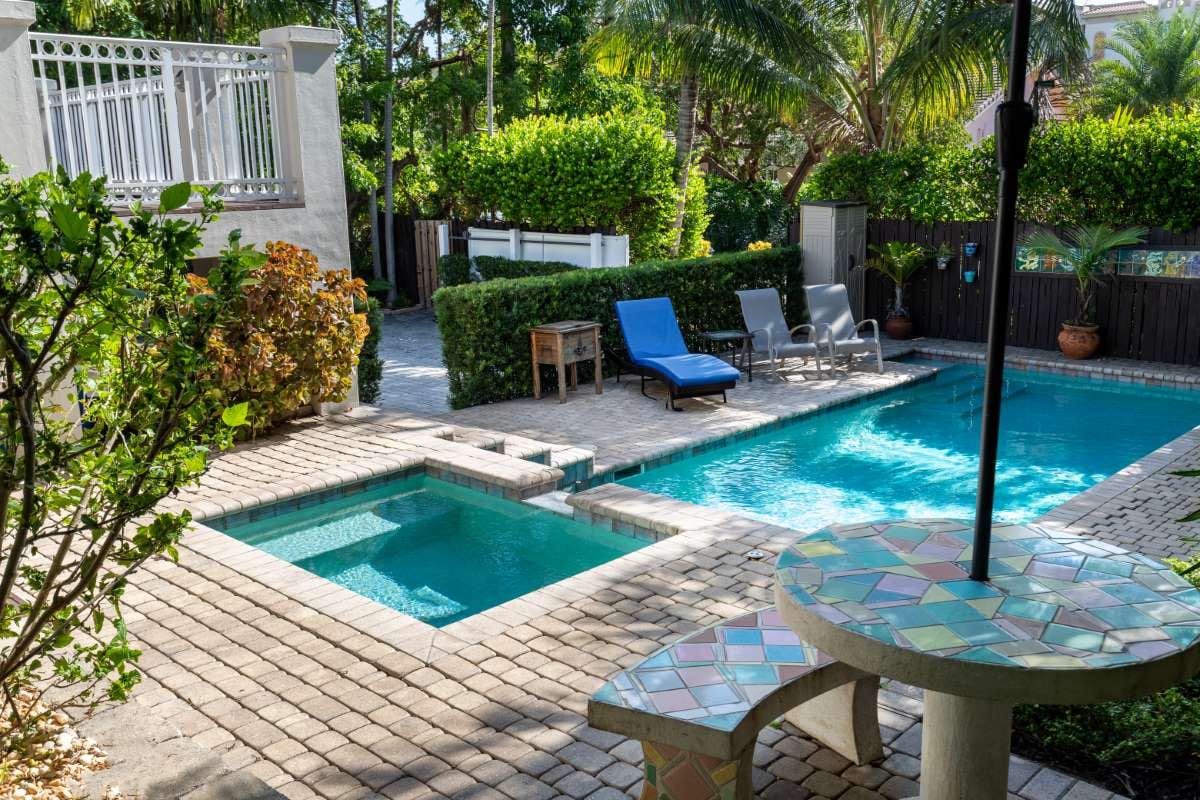
📌 Key Takeaway: Riverside’s sustained suburban growth has expanded the pool-owning customer base faster than service capacity, making acquired routes in this region a higher-value, lower-risk path into the pool service industry.
Riverside County has quietly become one of Southern California’s most reliable engines for pool service growth. New rooftops in places like Eastvale, Menifee, Murrieta, and the Jurupa Valley corridor keep showing up on tax rolls each quarter, and a meaningful share of those homes carry in-ground pools or aboveground spas. For pool service owners, that means the math behind buying a route here has shifted in your favor. This article walks through how the demographic and economic shifts in Riverside translate into route pricing, what to verify before you write a check, and how to operate a newly acquired book of business so it actually performs the way the seller’s spreadsheet promised.
Why Riverside’s Sprawl Translates Into Stop Density
The single most valuable thing about a Riverside route today is geographic density. When tract homes go up in clusters of 400 to 1,200 units, the resulting service stops sit within a few blocks of one another. A technician can complete 18 to 22 weekly accounts in a single subdivision before the truck even leaves the development. Compare that to legacy routes in older Los Angeles neighborhoods where stops are scattered across hillside streets, and the per-hour revenue gap becomes obvious.
Suburban expansion also tends to produce homogeneous pool builds. Many of the newer Riverside communities were developed by the same regional builders using similar plaster, tile, and equipment packages. That uniformity reduces diagnostic time, simplifies parts inventory, and lets a new owner train technicians faster. When you evaluate routes on the pool routes for sale marketplace, ask the seller for a ZIP-code heat map of stops. Concentration in one or two ZIPs is a strong signal that the asking multiple is defensible.
Pricing Multiples and What Actually Drives Them
Across the inland valleys, established weekly accounts have been trading in the range of 11 to 14 times the monthly billing rate, with premiums above that band for routes that include chemical-only service, prepaid annual contracts, or a high percentage of saltwater systems. Riverside specifically has trended toward the upper half of that range because of two factors: a low technician turnover rate in the region and the relative scarcity of routes that come up for sale.
What pushes a Riverside route above the median multiple? Three things, in order: average monthly billing per stop (anything above $165 is strong), customer tenure (over three years average is a green flag), and route compactness measured in drive minutes between consecutive stops. If you can verify those three numbers from QuickBooks exports, billing software reports, and a sample-day ride-along, you have the basis for an offer that the seller will take seriously.
Reading the Demographic Signal Correctly
Not every new Riverside neighborhood is good for pool service. Some master-planned communities lean toward community pools and HOA-maintained amenities rather than private backyard pools. Before committing to a route concentrated in a specific area, pull the county assessor data and filter by parcels with a pool feature code. You can also drive the neighborhood with satellite imagery on your phone and confirm the pool-to-rooftop ratio visually.
The most attractive submarkets right now tend to have median home values between $650,000 and $950,000, lot sizes above 6,500 square feet, and homeowners in the 35-to-55 age range. That demographic combination correlates strongly with both pool ownership and a willingness to outsource weekly service rather than DIY it. Routes built on those neighborhoods retain customers longer and absorb annual price increases more gracefully.
Operational Costs That Will Surprise New Owners
Inland Riverside is hotter and dustier than the coastal markets most California pool operators are used to. Plan for higher chemical consumption per stop, especially chlorine and cyanuric acid stabilizer in the summer months. Filter cleaning intervals also compress, particularly in neighborhoods near agricultural land or active construction. Build those line items into your acquisition pro forma rather than assuming the seller’s historical chemical costs will hold.
Fuel and vehicle wear are another factor. Even with tight stop density, technicians often drive 25 to 40 miles between the shop and the first stop of the day. If the route you’re evaluating includes accounts in multiple cities, model two scenarios: keeping the existing dispatch hub, and relocating to a more central yard. The second option often improves margins by two to four percentage points within a year.
Retention Tactics That Work Specifically in This Market
Riverside homeowners are price-sensitive but loyalty-prone. They will leave a service for a competitor charging $15 less per month, but only if they feel ignored. The single highest-ROI retention move after acquiring a route is a 90-day touch sequence: a personal introduction call within week one, a written service report after the fourth visit, and a courtesy equipment check at day 75. Routes that implement this sequence consistently see attrition drop below 4% annually, which is well under the regional average.
Another tactic that fits this market: bundling. Offering filter cleans, salt cell inspections, and acid washes as scheduled add-ons rather than reactive services smooths revenue and increases per-customer billing without requiring you to win new stops.
Financing Considerations for Riverside Acquisitions
Most buyers fund route purchases through a combination of seller financing, SBA-backed loans, and personal capital. For Riverside specifically, lenders have become more comfortable with the asset class because the underlying recurring revenue is well documented and the geography is forecastable. Expect down payment requirements in the 20% to 30% range for established sellers, with seller carrybacks of 25% to 40% being common.
If you’re comparing routes, look at the full inventory available through the pool routes for sale listings and request the trailing twelve months of bank-deposited revenue rather than billing reports alone. The difference between booked revenue and collected revenue is where most disappointments hide.
The Next 24 Months in Riverside
Permit data from the county suggests another 18,000 to 22,000 residential units will close escrow in greater Riverside over the next two years. Even if only 30% carry pools, that’s roughly 5,500 new potential accounts. Capacity will not keep up, so routes purchased in 2026 should see organic growth from referrals and competitor overflow. For owners willing to do upfront diligence on stop density, demographics, and operational fit, Riverside remains one of the strongest acquisition markets in the state.