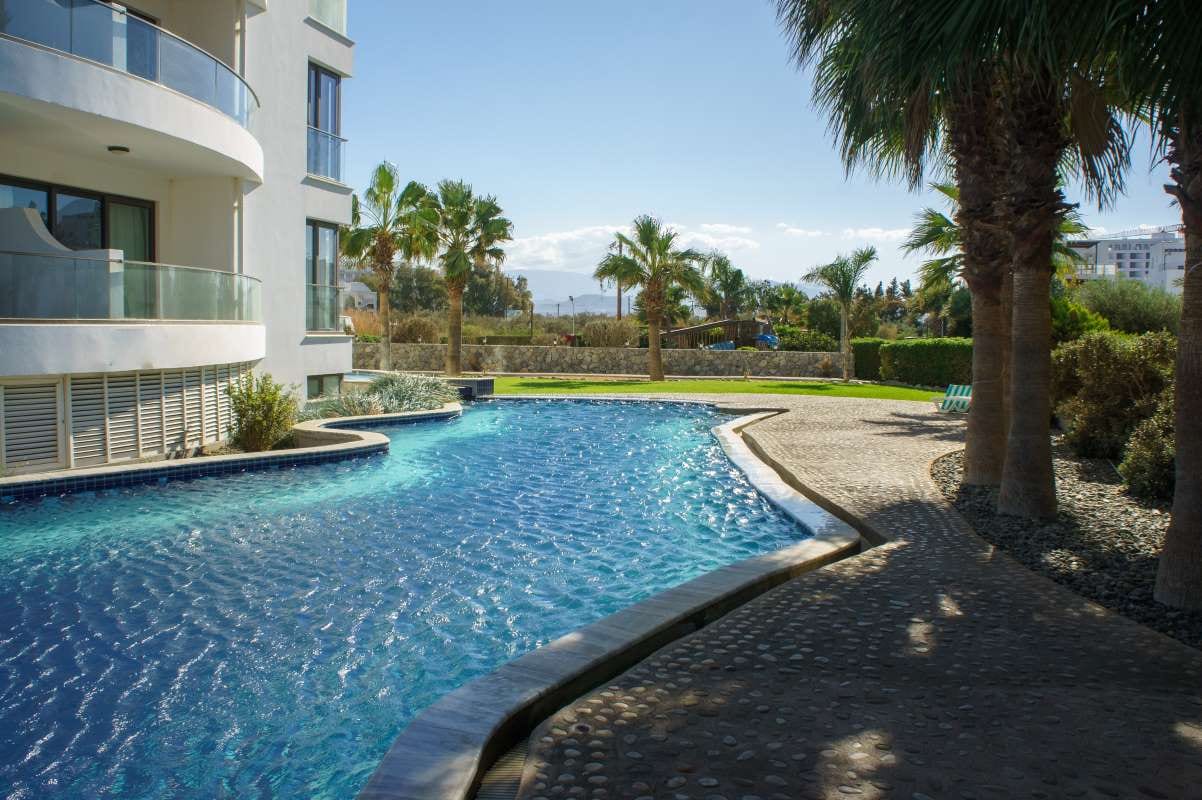
📌 Key Takeaway: Evaporation in Las Vegas pools can exceed a quarter-inch per day in peak summer, and service techs who proactively educate homeowners on covers, chemistry adjustments, and refill protocols turn that climate challenge into recurring revenue and long-term client loyalty.
Understanding the Evaporation Reality in the Mojave
Las Vegas pool service operators work in one of the harshest evaporation environments in the country. Summer afternoons routinely push past 110°F, relative humidity dips into single digits, and afternoon thermal winds pull water off the surface at a rate that catches new homeowners off guard. On a typical residential pool, evaporation losses between June and September run roughly 1.5 to 2 inches per week, and a pool with a spillover spa or sheer-descent water feature can easily double that figure.
For route owners, this matters for three practical reasons. First, chemistry shifts fast when water volume drops, so cyanuric acid, calcium hardness, and total dissolved solids climb week over week. Second, equipment damage from low water levels is a frequent service call, especially when skimmer weirs start sucking air and pumps lose prime. Third, customers who don't understand evaporation often blame the service tech for "using too much water" or assume there's a leak. Setting expectations early is part of the job.
If you're considering buying into this market, the route density in master-planned communities like Summerlin, Henderson, and North Las Vegas makes the climate challenge worth the operational complexity. You can browse current listings in the area through established Nevada pool service routes to see how seasoned operators have structured their stops.
Educating Customers About Water Loss vs. Leaks
One of the most useful tools you can carry in your truck is a five-gallon bucket. The bucket test remains the gold-standard way to differentiate evaporation from a true leak, and walking a worried homeowner through it builds trust faster than any sales pitch. Fill the bucket, set it on the second step of the pool, mark both the bucket water line and the pool water line, and check back in 24 to 48 hours. If both have dropped the same amount, the pool is fine. If the pool dropped more, you've got a leak worth investigating.
Make this a standard part of your onboarding for new accounts in the Vegas Valley. Customers who panic at a two-inch drop in July tend to call competitors for second opinions. Customers who've been shown the math stay loyal.
Pool Covers and the Service Tech's Role
Solar blankets and automatic covers are the single most effective evaporation-control tool available, cutting losses by 50 to 95 percent depending on coverage and use. Yet adoption in Las Vegas remains lower than you'd expect, partly because of aesthetics and partly because of the hassle factor. As a service operator, you have an opportunity here.
Offer to roll and unroll covers as part of a premium service tier. Stock replacement reels and straps in your truck. Build a referral relationship with one or two local cover installers and collect a finder's fee. Customers with covers also tend to have more stable chemistry, which means faster service stops and fewer chemical costs eating into your margins.
Chemistry Adjustments for Concentrated Water
When water evaporates, dissolved solids stay behind. This is where Las Vegas pools diverge sharply from coastal markets. Calcium hardness in tap water from the Las Vegas Valley Water District typically runs 200 to 280 ppm straight from the hose, so a pool that loses six inches over a month and gets topped off without partial draining will see calcium climb quickly. Add cyanuric acid stabilizer from trichlor tabs and you've got a recipe for cloudy water, scaling on tile, and reduced chlorine effectiveness.
Build a partial drain and refill into your spring service protocol for every customer. A 25 to 40 percent drain in April or early May resets the water for the brutal summer and prevents the mid-July chemistry crisis that eats your schedule. Charge for it as a separate service. Customers who understand why this matters will pay willingly.
Equipment Protection During Low-Water Events
Skimmers in Las Vegas pools spend a lot of time near the bottom of their operating range. When a homeowner skips a refill while on vacation, the pump can run dry, the shaft seal can fail, and you end up with a $400 repair call instead of a $90 maintenance stop. Walk new customers through their auto-fill system on day one. Check the float valve every visit. If they don't have an auto-fill, recommend one and refer them to a plumber who can install it without disrupting the deck.
For pools with sheer descents, scuppers, and laminar jets, advise customers to run those features only during evening hours or for entertaining. The aesthetic appeal isn't worth the doubled evaporation rate in August.
Pricing the Vegas Climate Into Your Routes
If you're underwriting a route purchase, look closely at how the previous owner priced for evaporation-related work. Many legacy routes are underpriced because the original owner built the book in cooler years or never adjusted for the chemistry workload that comes with high-evaporation pools. A well-run Vegas route should reflect the real cost of monthly acid demand, periodic drains, and equipment vigilance.
You can find route opportunities priced fairly for the local conditions through brokers who specialize in Las Vegas and Henderson pool service territories, where the listings typically include water-test history and chemical cost breakdowns from the seller.
Building Recurring Revenue Around Conservation
Southern Nevada Water Authority offers rebates for pool covers, smart controllers, and certain efficiency upgrades. Keep a current list of these programs in your client welcome packet. Position yourself as the operator who saves customers money on water bills, not just the person who shows up to skim leaves. That positioning supports higher monthly rates and reduces churn.
The operators who thrive in the Vegas market treat evaporation not as a nuisance but as a structural feature of the business. It drives service frequency, justifies premium pricing, and creates natural upsell opportunities around covers, drains, and equipment upgrades. Customers in the desert want a service provider who understands the desert, and demonstrating that knowledge on every visit is what separates a route that grows from one that bleeds accounts every season.