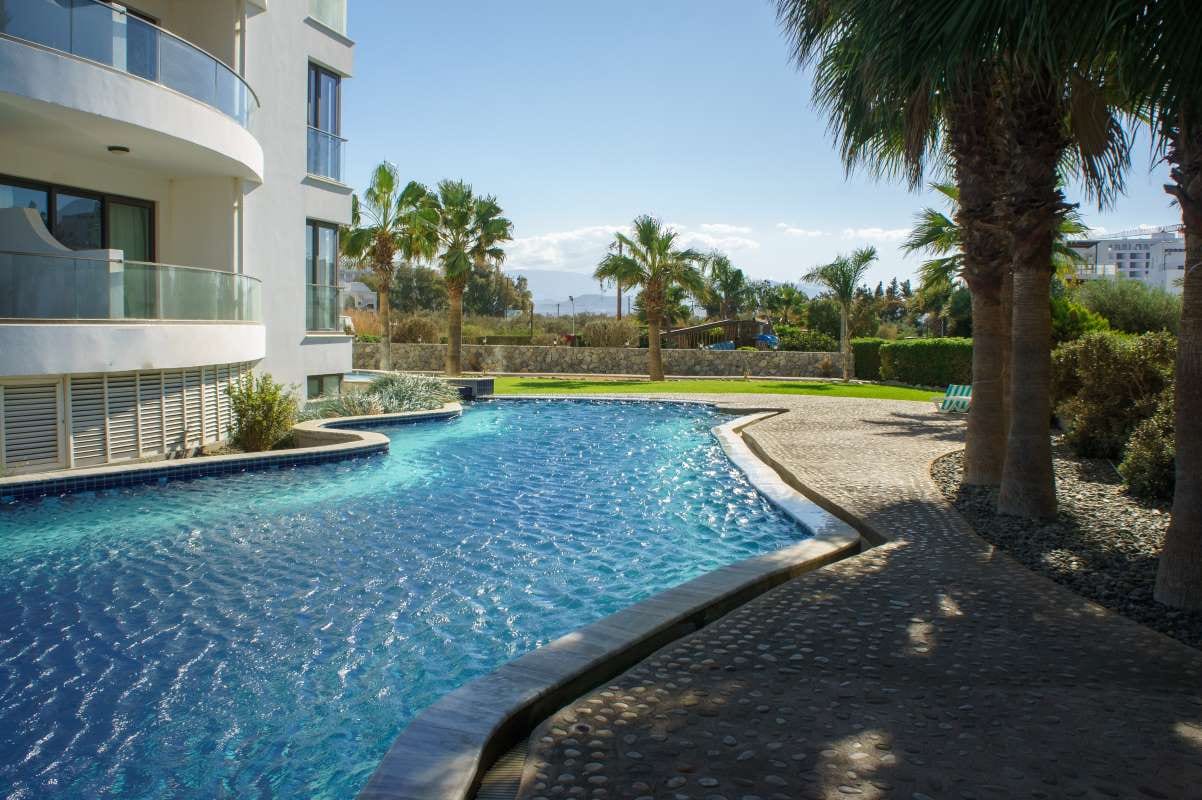
📌 Key Takeaway: Reno's growing pool market and year-round service demand make it a strong target for pool route expansion—whether you're entering the industry fresh or adding territory to an existing business.
Why Reno Is Worth a Second Look
Reno has shed its "Biggest Little City" novelty reputation and is now one of the fastest-growing metros in the western United States. Warehouse and tech company relocations have driven a steady wave of residential construction, and with Nevada's hot summers, a meaningful share of those new homes include pools. Industry observers put pool penetration in the broader Reno-Sparks area higher than most inland western markets, and the numbers keep climbing.
For a pool service operator, that growth curve matters more than raw pool count. A market where the pool inventory is still expanding gives you room to build a route without having to pry accounts away from deeply entrenched competitors. You can layer on new accounts as neighborhoods develop rather than fighting over existing customers.
The climate picture reinforces the business case. Summer temperatures regularly push past 95°F, driving heavy swimmer activity and aggressive algae growth. That means weekly service is not optional—it's what every pool owner needs. Winters in Reno are mild enough that most residential pools stay open year-round, so unlike markets in the mountain west, you don't face an extended off-season that shrinks your monthly billing.
Understanding the Route Acquisition Model
Buying an established pool route in Reno is a fundamentally different entry point than starting from zero. When you acquire accounts through a structured route sale, you inherit customers who are already on a service schedule and already paying. There is no ramp-up period spent knocking on doors, no months of near-zero revenue while you build a reputation. The income starts with your first week of service.
Pool routes for sale in the Reno area are typically priced as a multiple of monthly billing—often around six times the monthly revenue for routes of 40 or more accounts. Smaller packages carry a slightly higher multiplier. That pricing structure makes it straightforward to model your payback period before you commit. If a route bills $6,000 per month, you know the purchase price and can project exactly how long it takes to recoup the investment at your actual operating margins.
What separates a well-structured acquisition from a risky one is transparency. Before you sign anything, you should receive account-level detail: the service address, pool size, equipment notes, current billing rate, and payment history. That data lets you spot accounts that are underpriced relative to the work involved, identify any that have a history of late payment, and plan your drive routes efficiently from day one.
Choosing the Right Territory Around Reno
The Reno metro spreads across several distinct zones, and each has different characteristics for pool service operators.
Reno proper and Midtown — Older neighborhoods with a mix of residential pools and some commercial properties. Account density can be strong, which shortens drive time between stops and lowers your per-account fuel cost.
Sparks — The eastern half of the metro has seen significant residential development over the past decade. Newer builds tend to have newer equipment, which means fewer emergency service calls. Sparks routes can be efficient to run because the neighborhoods are laid out in organized subdivisions.
South Reno and Double Diamond — Higher-income zip codes where average pool size is larger and monthly billing rates trend above the metro average. These accounts can anchor a profitable route, though competition for them is real.
Carson City and Minden-Gardnerville — If you're willing to extend your territory south along Highway 395, these communities offer less competition than the core Reno market. The trade-off is drive time, so you'll want to run these on dedicated days rather than mixing them into a Reno schedule.
When selecting territory, prioritize geographic compactness over total account count. A route of 40 tightly clustered accounts will almost always out-earn a route of 50 accounts spread across a 30-mile radius, because your productive service hours go up and your windshield time goes down.
Getting Trained Before You Start
Nevada does not require a contractor's license for basic residential pool maintenance, but that doesn't mean you can skip preparation. Customers in a growing market like Reno have options—if service quality slips, they can find another operator. Showing up knowing how to balance water chemistry, troubleshoot a variable-speed pump, and communicate clearly about equipment issues is what turns a one-year customer into a five-year customer.
Structured training programs cover the core competencies: water chemistry fundamentals, filter and pump maintenance, automated system operation, and customer-facing communication skills. In-field training alongside an experienced technician is especially valuable in the early weeks, because textbook knowledge and real-world troubleshooting are genuinely different skills. Pool routes for sale through established programs typically include training as part of the acquisition, so factor that into your comparison when evaluating sources.
Building Toward Growth
Once you have a working route in Reno, the path to growth is straightforward. Adding accounts in adjacent zip codes keeps your drive time compact. Upselling existing customers on equipment repairs, filter replacements, and seasonal deep cleans increases revenue per stop without increasing your customer count. Referrals from satisfied customers in tight-knit neighborhoods can fill your pipeline without any marketing spend.
Track your numbers weekly from the start. Monthly billing totals, accounts gained, accounts lost, and average revenue per account are the metrics that tell you whether your route is healthy. A cancellation rate above two percent per month is a signal to dig into service quality. A route where you're consistently adding accounts through referrals is one you can build on confidently.
Reno is a market with real momentum behind it. Pool density is rising, the climate supports year-round service, and structured route acquisitions give you a faster, lower-risk entry point than building from scratch. Operators who move early in a growing market tend to lock in the best account clusters before the territory gets crowded.