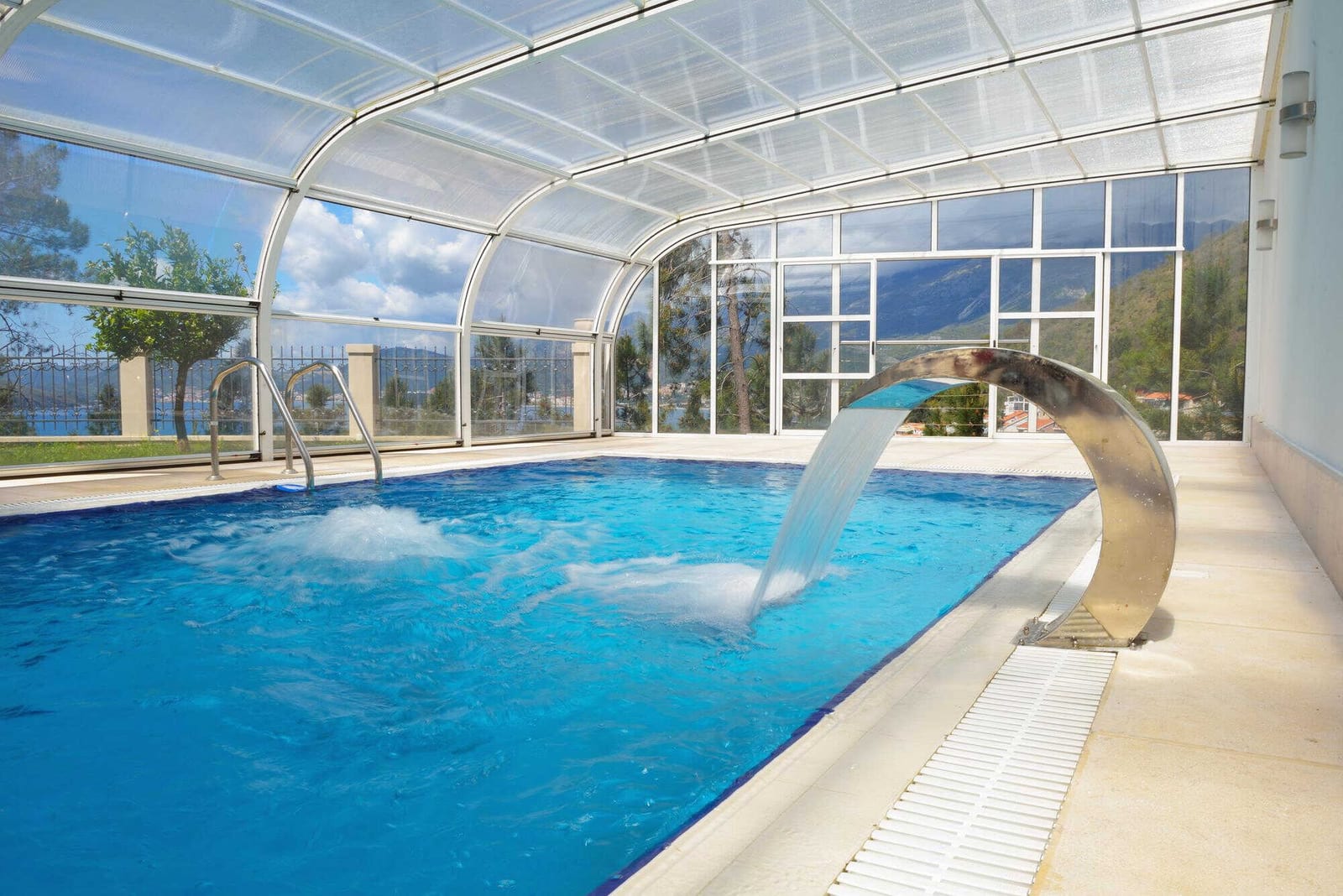
📌 Key Takeaway: Pool service businesses that market through emotional branding — connecting their work to homeowners' craving for rest and backyard sanctuary — build stronger loyalty and close more sales than those who compete on price alone.
Why Homeowners Buy Relaxation, Not Pool Cleaning
When a homeowner hires a pool service company, they rarely say to themselves, "I need my water chemistry balanced." What they actually want is to walk out their back door on a Friday evening, see a sparkling pool, and feel the stress of the week dissolve. They are buying peace of mind, not a chemical reading.
This distinction matters enormously for how you position your pool service business. Functional marketing — "we show up every week and test your water" — is forgettable. Emotional marketing — "come home to a pool that's always ready" — is what stays with a prospect long enough to generate a call.
Research from consumer psychology consistently shows that purchase decisions are driven more by how a product makes people feel than by its technical specifications. For a recurring service like pool maintenance, that emotional pull is especially powerful. Once a homeowner emotionally connects your brand with that Friday-evening feeling, they are unlikely to shop on price alone.
The Emotional Landscape of the Modern Homeowner
Understanding what your customers are emotionally responding to helps you craft messaging that lands. Most homeowners who own a pool share a recognizable emotional profile:
- Stress from time scarcity. Dual-income households have less discretionary time than any previous generation. The pool should be an asset that relieves stress, not a chore list that adds to it.
- Pride in their home environment. A well-maintained backyard pool is a point of social and personal pride. It signals success and taste.
- Anxiety about things going wrong. Green water, equipment failures, and unsafe chemistry are visceral fears. Removing that anxiety is a genuine emotional benefit.
- The desire to be present. Parents especially want to be the one swimming with their kids, not the one testing chlorine. Your service gives them that back.
When your marketing language and imagery maps directly onto these emotional states, you stop sounding like a vendor and start sounding like a solution to something that genuinely bothers people.
Translating Emotion Into Concrete Marketing Tactics
Emotional branding is not about vague, feel-good advertising. It is about being specific enough that the homeowner immediately pictures their own backyard.
Use sensory language in your copy. Instead of "weekly pool maintenance," write "a pool that's always clean and ready — whether it's Tuesday morning or a last-minute Saturday gathering." The second version puts the homeowner in a scene they can feel.
Lead with outcomes in testimonials. When you collect customer reviews, prompt clients to describe how the service changed their experience at home, not just whether you showed up on time. "I actually use my pool now because I'm not stressed about maintaining it" is far more persuasive than "reliable and professional."
Choose photography that shows people at rest. If your website, flyers, or social media feature mostly trucks and chemical jugs, you are signaling function. Swap in images of families enjoying a clean pool at dusk, a homeowner reading beside the water, or a child jumping in without hesitation. Let the imagery do the emotional work before the copy is even read.
Connect your brand to the lifestyle, not the labor. Companies that acquire or build pool routes for sale are investing in existing customer relationships. Those customers already trust someone to protect their backyard sanctuary. Your brand messaging should make clear that you are joining that relationship as a trusted steward, not just a new service provider.
Building Consistent Emotional Messaging Across Touchpoints
Emotional branding loses its power when it is inconsistent. If your website promises a stress-free experience but your invoices are confusing and your phone goes to voicemail, the emotional contract breaks.
Map every point where a customer or prospect interacts with your business and ask: does this reinforce the feeling we want them to have?
- Website: Does the homepage language and imagery communicate relaxation and trust within the first five seconds?
- Onboarding: When a new customer signs up, do they receive a warm welcome message that reinforces why they made a great decision?
- Service reminders: Are your automated messages framed around their peace of mind ("Your pool is being serviced today — enjoy your evening") rather than purely transactional?
- Problem resolution: When something goes wrong, does your response language acknowledge the disruption to their home environment, not just the technical issue?
Pool service operators who build pool routes for sale into a scalable business understand that the value of a route is ultimately the trust each customer has placed in the service provider. That trust is an emotional asset, and protecting it means maintaining consistent, empathetic communication at every step.
Differentiating Your Business in a Crowded Market
Most pool service companies in any given market offer roughly comparable technical quality. Equipment gets cleaned, chemicals get balanced, filters get checked. Price competition in that environment is a race to the bottom.
Emotional branding is how you escape that race. When homeowners feel that your company genuinely understands what their pool means to them — rest, family time, pride, escape — they become resistant to poaching by cheaper competitors. The emotional premium they attach to your brand becomes a real business asset.
Practically, this means investing in:
- A clearly articulated brand voice that stays consistent across all written and spoken communication
- Staff training on how to communicate with empathy, especially when delivering bad news about a repair
- A follow-up process after service visits that reinforces the positive experience rather than ending with an invoice
The pool service operators who build loyal, high-retention customer bases are almost always the ones who have, consciously or not, figured out emotional branding. Making that approach deliberate and systematic is how you replicate their results at scale.
Measuring Whether Your Emotional Branding Is Working
Emotional branding is not abstract — it produces measurable outcomes. Track these indicators to assess whether your messaging is landing:
- Referral rate: Emotionally satisfied customers recommend services to friends far more often than merely satisfied ones. If your referral rate is low, your emotional connection is weak.
- Churn rate: High customer turnover despite solid technical service is a strong signal that the emotional relationship is not being maintained.
- Review content: Look at the language customers use in five-star reviews. If they describe feelings ("peace of mind," "I finally relax on weekends"), your emotional branding is working. If reviews are purely functional ("showed up on time, did the job"), there is room to deepen the connection.
- Response to price increases: Emotionally loyal customers accept modest price increases with far less friction than customers who see your service as a commodity.
Building a pool service brand that resonates emotionally is a long-term investment, but it compounds. Every satisfied homeowner who connects your name with their best backyard moments becomes a referral source, a retention asset, and a foundation for sustainable growth.