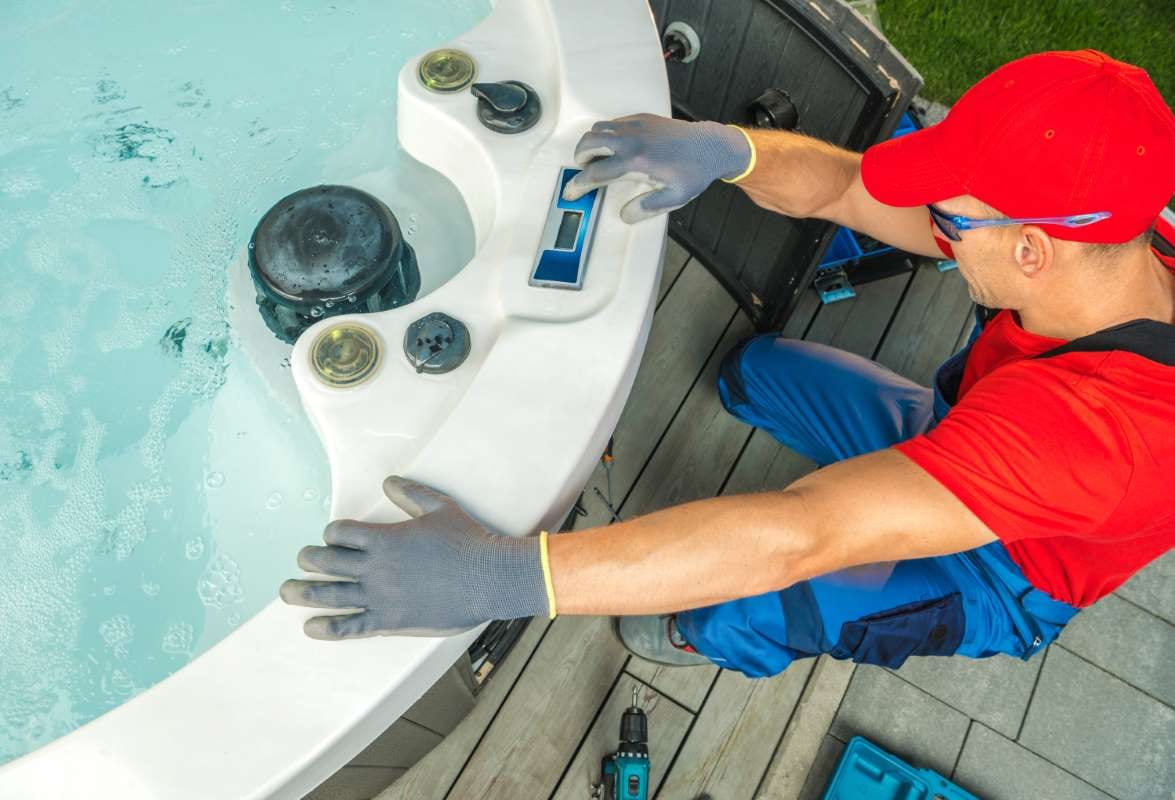
📌 Key Takeaway: Pool service owners who combine smart differentiation strategies — from service packaging to local reputation-building — can grow a loyal customer base even in the most saturated markets.
Why Standing Out Actually Matters
Pool service is a repeat-business industry. Customers who find a provider they trust rarely switch. That means the battle for new accounts is front-loaded — you need to win people over before your competitor does, and then you need to keep them through consistent, excellent service.
The good news: most pool service operators compete on price alone, which leaves a wide lane for businesses willing to compete on value, reliability, and professionalism instead. If you can differentiate on those dimensions, price becomes secondary for a large portion of your target market.
This post breaks down practical strategies that work in the real world — not just theory.
Lead with a Defined Service Identity
Vague positioning kills growth. "Full-service pool care" describes half the industry. A sharper identity gives prospects a reason to choose you before they even pick up the phone.
Ask yourself: What do you do better than anyone in your service area? It might be response time — you guarantee a technician on-site within 24 hours. It might be chemistry expertise — your team is certified and you back your water balance work with a guarantee. It might be communication — every customer gets a post-visit report with photos.
Pick one or two genuine strengths and lead with them in every customer touchpoint: your website, your truck wrap, your voicemail greeting, your service invoices. Consistency in how you describe yourself builds recognition, and recognition builds trust.
Build Visibility Before You Need It
Most pool service operators market reactively — they look for customers when revenue dips. The operators who grow steadily are the ones marketing consistently even when their schedule is full.
Practical visibility tactics that work in pool service:
- Neighborhood canvassing: Door hangers on streets where you already service pools are highly effective. "We service your neighbor's pool" carries social proof built in.
- Google Business Profile: Keep it updated with current photos, accurate service areas, and prompt responses to reviews. This is often the first thing a homeowner checks before calling.
- Referral incentives: A discount on next month's service in exchange for a referral costs you almost nothing and often produces your best new customers.
- Nextdoor and local Facebook groups: Pool issues come up constantly in neighborhood groups. Having a presence — not spamming, but genuinely answering questions — builds local authority.
None of these tactics are expensive. They require consistency more than budget.
Design Service Packages That Sell Themselves
Itemized pricing creates friction. Customers compare individual line items against competitors and make decisions based on the cheapest option for each service. Bundled packages short-circuit that comparison and shift the conversation to overall value.
A well-designed package might include weekly cleaning, chemical balancing, equipment inspections, and a quarterly deep clean — all priced as a single monthly rate. When customers understand what's included, they stop shopping around because they're buying a complete outcome, not a commodity task.
Tiered packages work even better. Offering three levels — standard, plus, and premium — lets customers self-select based on budget while anchoring the conversation around your full-service offering. The middle tier typically outsells both extremes.
If you're looking to expand your customer base quickly without building it from scratch, exploring available pool routes for sale is worth understanding. Acquiring an established route gives you immediate recurring revenue and a ready-made customer base to build your reputation with.
Deliver an Experience, Not Just a Service
The technical work — cleaning, balancing chemistry, checking equipment — is table stakes. It's what you're expected to do. What actually drives loyalty and referrals is the experience around that work.
Simple experience upgrades that cost almost nothing:
- Communication: A brief text or email after each service visit confirming what was done and flagging anything to watch. Most operators never do this. Customers remember the ones who do.
- Proactive advice: If you notice a pump that's starting to wear, tell the customer before it fails. Saving them from an unexpected breakdown builds more trust than a hundred routine visits.
- Consistency: Show up on the same day, at roughly the same time, every week. Reliability is a competitive advantage in an industry where flakiness is common.
- Professionalism: Uniformed technicians, clean vehicles, and invoices that look like they came from a real business — not a handwritten receipt — signal that you take the work seriously.
Customers don't just buy pool cleaning. They buy the peace of mind that comes from knowing it's handled. Your job is to make them feel that peace of mind at every interaction.
Invest in Your People
If you run a team, your technicians are your brand. Their knowledge, their communication skills, and how they treat customers determine whether those customers renew or leave.
Structured training pays off. Technicians who understand pool chemistry and equipment — not just how to run a vacuum — can have informed conversations with customers, catch problems early, and handle unusual situations without calling you for every decision. That capability reduces your operational burden and directly improves customer retention.
Accountability matters equally. Track service completion, customer feedback, and equipment inspection logs. When issues arise, you need visibility to address them before they become cancellations.
Turn New Customers into Long-Term Revenue
Acquisition is expensive. Retention is cheap. The operators who build durable businesses prioritize keeping customers as much as finding new ones.
A simple retention framework: after the first 60 days with a new customer, reach out personally — not just a survey, but a real check-in. Ask if there's anything they'd like adjusted. Acknowledge the relationship. Customers who feel like more than an account number rarely leave for a competitor offering a slightly lower price.
Loyalty programs can reinforce retention further. A free service visit after 12 consecutive months, or a referral reward for customers who bring in new accounts, creates reciprocity. It also makes customers feel like stakeholders in your business, not just recipients of a service.
Think About Growth Strategically
Standing out in a competitive market is ultimately about building something that's hard to replicate — a reputation, a customer experience, and operational consistency that competitors can't easily copy.
If you're planning to scale, acquiring established pool routes can accelerate that process by giving you an immediate customer base in a target geography. Organic growth and strategic acquisition aren't mutually exclusive — the best-run pool service businesses use both.
The operators who win long-term aren't necessarily the cheapest or the flashiest. They're the ones who show up consistently, communicate proactively, and treat customers like relationships worth keeping.