📌 Key Takeaway: Pool service professionals who host customer workshops build lasting trust, establish undeniable expertise, and create a powerful sales channel that consistently converts educated attendees into loyal, long-term clients.
Why Workshops Work for Pool Service Businesses
In the pool service industry, most customers have limited understanding of what it takes to keep their pools safe and properly maintained. That knowledge gap is both a challenge and an opportunity. When you step into the role of educator, you do more than share information — you build the kind of credibility that turns casual customers into committed, long-term clients.
Workshops close the distance between service provider and customer. Instead of being someone who shows up with chemicals and leaves without explanation, you become a trusted advisor. Attendees walk away with a clearer understanding of water chemistry, equipment function, and the real cost of deferred maintenance. More importantly, they walk away remembering your name.
From a business development standpoint, workshops also create natural openings to grow your operation. Whether you're looking to expand your client base or explore pool routes for sale in new service areas, an established reputation as an educator gives you a competitive edge that is difficult to replicate.
Planning a Workshop That Delivers Real Value
The difference between a forgettable event and one that generates sales is almost always in the planning. Before you book a venue or design a flyer, define your objectives clearly. Are you trying to convert new pool owners into service agreements? Retain existing customers by demonstrating your depth of knowledge? Introduce new equipment or chemical treatments? Each goal calls for a different format and content strategy.
Once your objective is clear, narrow your target audience. A workshop for new pool owners will look very different from one designed for experienced homeowners who are questioning the value of their current service provider. Matching your content to your audience's existing knowledge level keeps engagement high and prevents attendees from feeling either overwhelmed or talked down to.
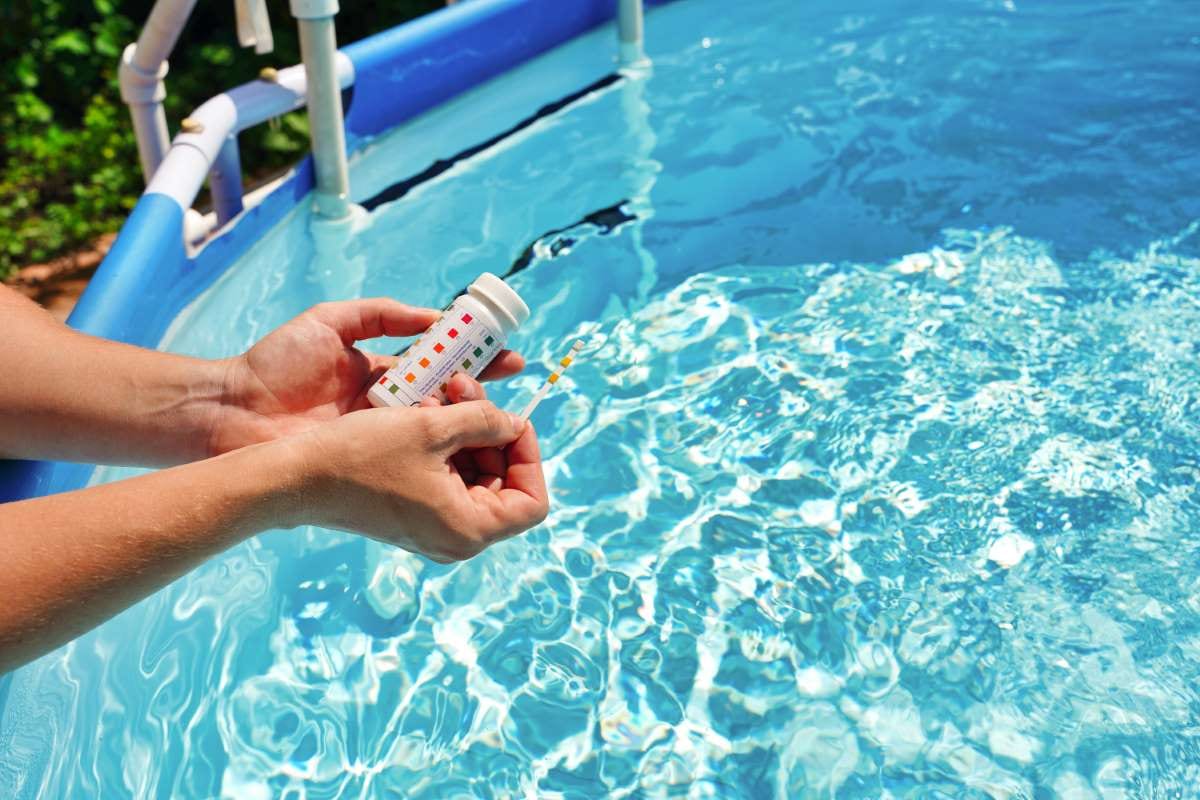
For format, hands-on demonstrations almost always outperform slide-heavy presentations in the pool service context. If you can bring in test kits, pump components, or filter media and let attendees interact with them, the learning becomes tactile and memorable. A short Q&A segment at the end gives participants a chance to raise specific concerns — and gives you a chance to address objections before they become reasons not to hire you.
Choosing the Right Venue and Promoting Effectively
Venue selection shapes the tone of your workshop before a single word is spoken. A professional space — whether it's a community room, a local hardware store's event area, or your own office — signals that you take your business seriously. If you have a physical base of operations, hosting there lets attendees connect your business to a real location, which builds confidence.
Promotion should start at least three weeks in advance. Email your existing customer list, post on neighborhood social media groups, and consider a simple direct-mail piece to homes with pools in your service area. In your promotional materials, lead with the benefit to the attendee — what will they know or be able to do after attending that they can't do now? That value proposition drives registrations far more effectively than a generic announcement.
Offering a small incentive — a free water test, a discount on next month's service, or a printed maintenance checklist — encourages sign-ups and gives attendees a tangible reason to show up even if they're on the fence.
What to Cover and How to Present It
Strong workshop content addresses real problems pool owners face. Consider structuring your agenda around three or four focused topics rather than trying to cover everything. A session on water chemistry, one on equipment maintenance, and one on seasonal preparation covers the concerns most homeowners actually have without overwhelming anyone.
Visual aids improve retention significantly. Short video clips showing equipment failures caused by poor maintenance, before-and-after photos of neglected pools, and simple diagrams of circulation systems all make abstract concepts concrete. Handouts that participants can reference at home extend the workshop's usefulness well beyond the event itself.
Weave your service offerings naturally into the content rather than pivoting awkwardly into a sales pitch. If you're explaining the consequences of an unbalanced pH, it's entirely appropriate to mention how your regular service schedule prevents exactly that scenario. That kind of organic integration feels helpful rather than pushy — and it works.
Following Up to Convert Interest Into Revenue
The workshop doesn't end when attendees leave. Your follow-up strategy determines whether the event translates into actual revenue. Within 48 hours, send a thank-you email that includes a summary of key takeaways, your contact information, and a clear call to action — whether that's scheduling a free consultation, signing up for a service plan, or simply calling with questions.
For attendees who showed strong interest during the event, a brief personal phone call can be highly effective. Reference something specific from the workshop to show that you were paying attention. That level of personalization stands out in an industry where most communication is transactional.
Track your results carefully. How many attendees signed up for services within 30 days? What was the average contract value? Did any attendees refer neighbors or family members? These metrics tell you whether the investment of time and resources is paying off and where to refine your approach for the next event.
Scaling Your Workshop Strategy Alongside Business Growth
Once you've run a successful workshop and refined the format, the model is repeatable. Quarterly events build an ongoing pipeline of educated prospects who are already inclined to trust your expertise. Over time, your reputation as the go-to educational resource in your service area becomes a durable competitive advantage.
For operators who are actively growing — whether by adding service stops organically or by acquiring established pool routes to accelerate expansion — workshops accelerate customer retention in new territories. New clients acquired through route purchases are far more likely to stay when they feel connected to your business through education and community, not just a service invoice.
The pool service professionals who grow the most sustainably are the ones who treat customer education as a core part of their business model, not an occasional afterthought. Workshops are one of the most direct ways to make that happen.